Understanding Paper Airplane Flight Lab
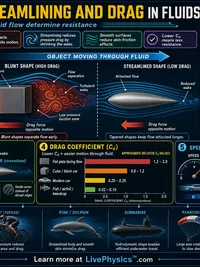
A paper airplane stays in the air only while its motion through the air creates enough lift to slow its fall. Air pushes harder beneath a wing when the wing meets the air at a useful tilt. If that tilt is too small, the plane drops quickly.
If it is too large, air flow breaks away from the wing and drag rises sharply. This loss of smooth flow is called a stall, and it often makes a plane climb briefly before falling nose first.
The centre of mass is one of the most important hidden features of a design. It is the balance point where the airplane's weight acts. A little mass near the nose can make a plane point forward and recover from small wobbles.
Too much nose mass makes it descend steeply, while too little can leave the nose unstable. Students can find the balance point by supporting the plane on one finger, then comparing how small changes in paper clips or folds change its flight.
A launch gives the plane its starting speed and direction, but a hard throw is not always the best throw. More speed can increase lift at first, yet it can expose a weak or crooked design to stronger drag and spinning.
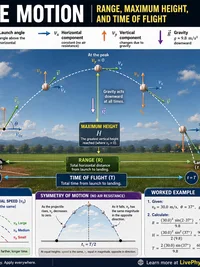
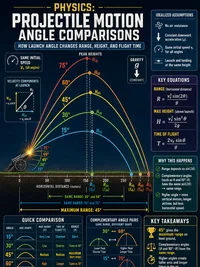
The release should be smooth, with the wings level and the nose aimed in the intended direction. A launch angle near level often gives a long, efficient path, while a steep upward launch trades forward motion for height and may cause a stall.
Good testing means changing one variable while keeping the others as constant as possible. Use the same person, launch place, release style, and measurement method for each set of trials. Record several flights for every design because one result can be changed by a gust of air or an imperfect release.
The average distance is more trustworthy than a single best flight. Notice patterns beyond distance too, such as turning, wobbling, climbing, or a sudden dive, since these observations reveal whether the airplane is balanced and flying smoothly.