Practice explaining, comparing, and calculating how friction and air resistance affect motion.
Read each problem carefully. Show your work in the space provided and explain your reasoning when asked.
Forces that oppose motion
Physics - Grade 6-8
- 1
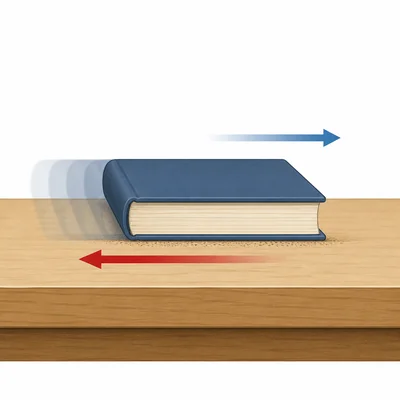
A student pushes a book across a desk. The book slows down and stops after the student lets go. Explain why the book stops.
- 2
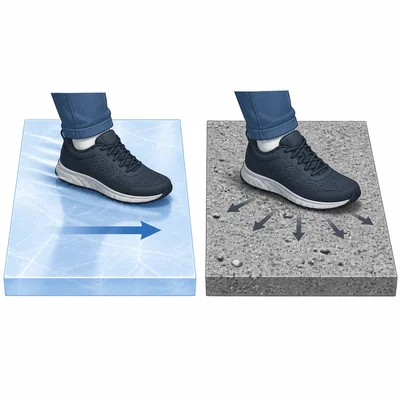
Which surface would usually create more friction for a sliding shoe: smooth ice or rough concrete? Explain your answer.
- 3
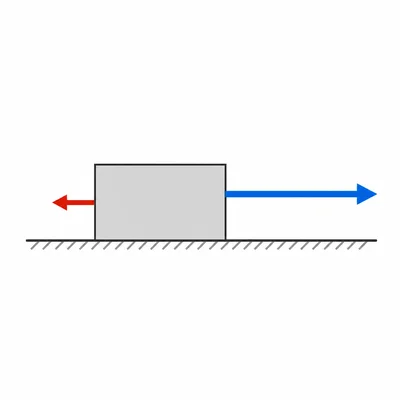
A box is pushed to the right with a force of 25 newtons. Friction pushes to the left with a force of 10 newtons. What is the net force on the box, and in which direction does it act?
- 4
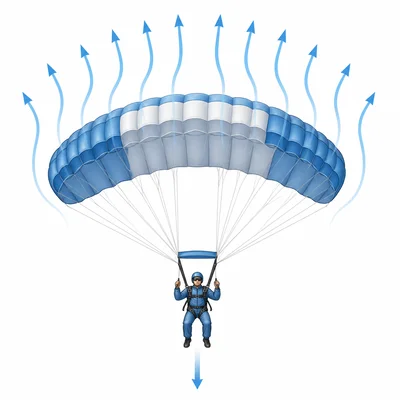
A parachute helps a skydiver fall more slowly. Explain how air resistance changes when the parachute opens.
- 5
Name two ways friction can be helpful in everyday life.
- 6
Name two ways friction can be a problem in machines.
- 7
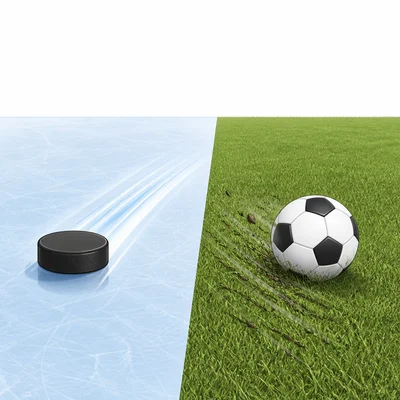
A hockey puck slides farther on ice than a soccer ball rolls on grass. Use friction to explain why.
- 8
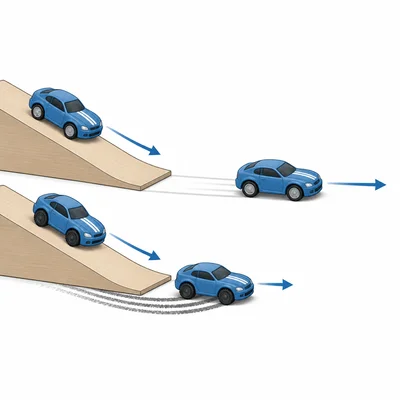
Two identical toy cars roll down the same ramp. Car A has smooth wheels, and Car B has sticky rubber wheels. Which car will likely travel farther on a smooth floor after leaving the ramp? Explain why.
- 9
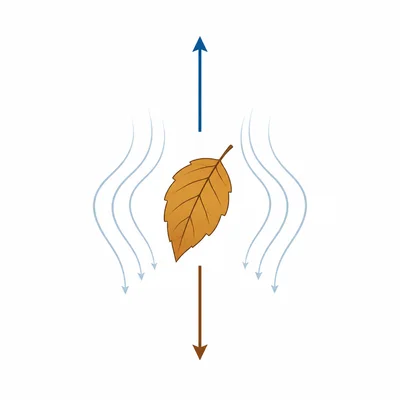
A falling leaf reaches terminal velocity. What does terminal velocity mean?
- 10
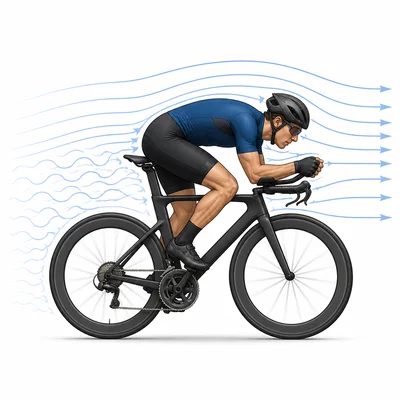
A cyclist bends low over the handlebars during a race. Explain how this position affects air resistance.
- 11
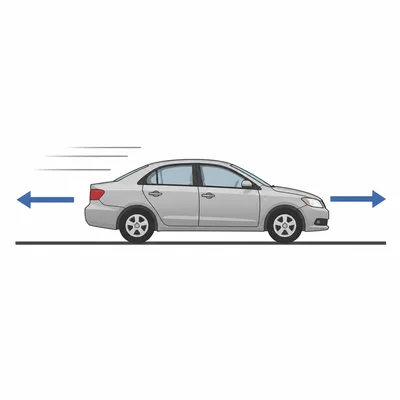
A car travels at 20 meters per second. The engine provides a forward force of 1200 newtons, and air resistance plus road friction provide a backward force of 1200 newtons. Describe the car's motion.
- 12
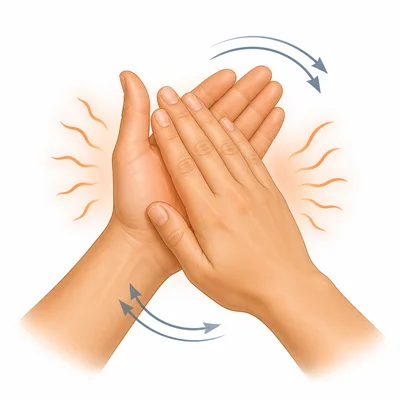
A student rubs their hands together quickly on a cold day. Why do their hands feel warmer?
- 13
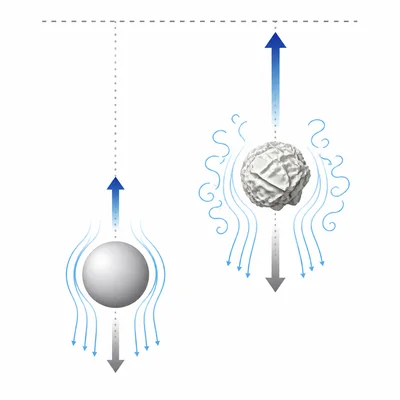
Look at a smooth ball and a crumpled paper ball of the same mass dropped from the same height. Which one is likely to fall faster through the air, and why?
- 14
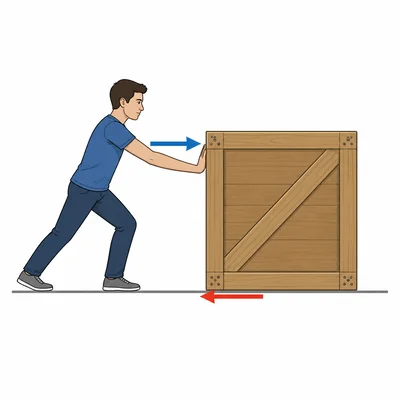
A 40-newton crate is resting on the floor. A student pushes it with 8 newtons, but the crate does not move. What can you infer about the friction force?
- 15
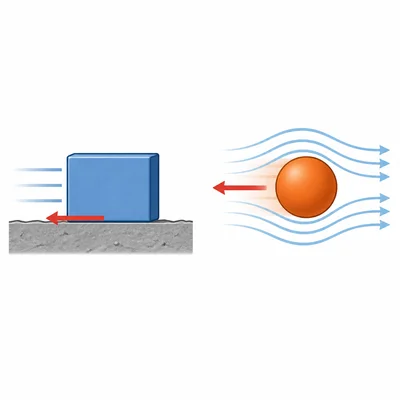
Explain the difference between friction and air resistance.