Practice identifying comets, asteroids, meteoroids, meteors, and meteorites, and learn how they move through space.
Read each problem carefully. Use complete sentences when explaining your answers. Show your work in the space provided.
Learning about small objects in our solar system
Astronomy - Grade 4-5
- 1
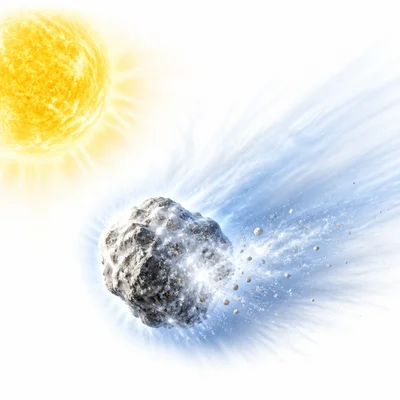
A comet is often called a dirty snowball. Explain what a comet is made of and what happens when it gets close to the Sun.
- 2
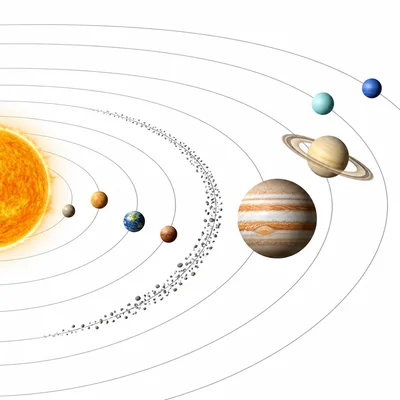
An asteroid is a rocky object that orbits the Sun. Most asteroids in our solar system are found in a region between which two planets?
- 3
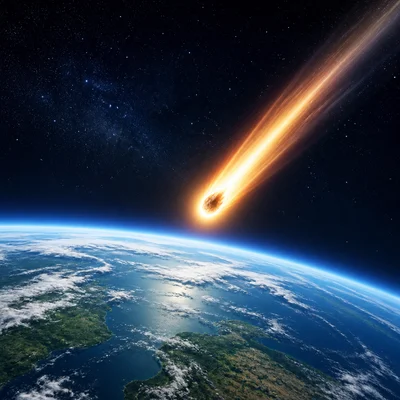
Choose the best word to complete the sentence: A streak of light seen in the night sky when a small space rock burns up in Earth's atmosphere is called a meteor, meteorite, or asteroid.
- 4
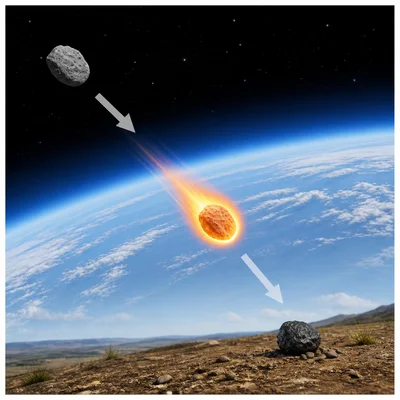
Explain the difference between a meteoroid and a meteorite.
- 5
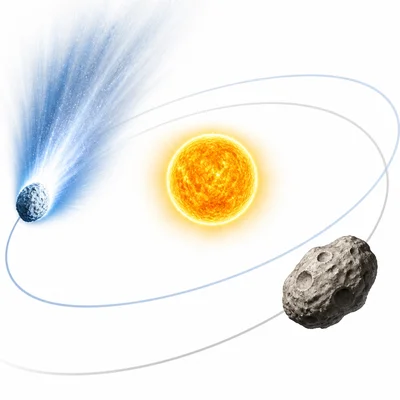
A student says, "Comets and asteroids are exactly the same because they both orbit the Sun." Explain why this statement is not correct.
- 6
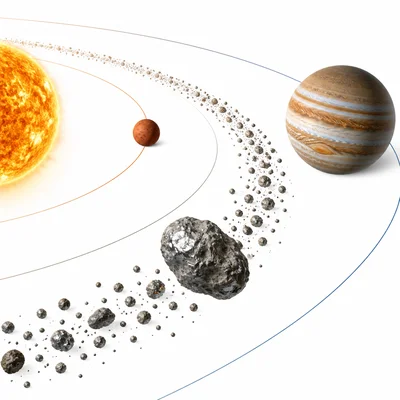
Look at the imaginary object described here: It is mostly rock and metal, has no tail, and orbits the Sun between Mars and Jupiter. Is it most likely a comet, asteroid, or meteor? Explain your answer.
- 7
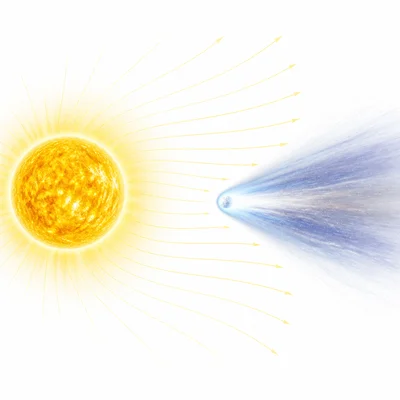
Why does a comet's tail usually point away from the Sun?
- 8
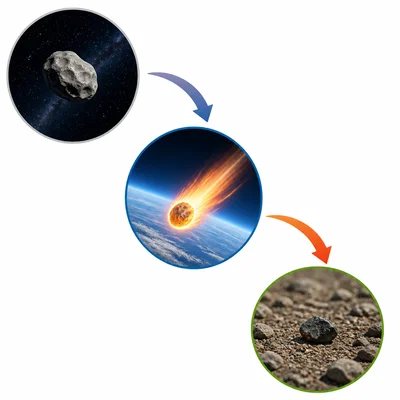
Put these events in the correct order: A small rock travels through space, it enters Earth's atmosphere and glows, a piece lands on the ground.
- 9
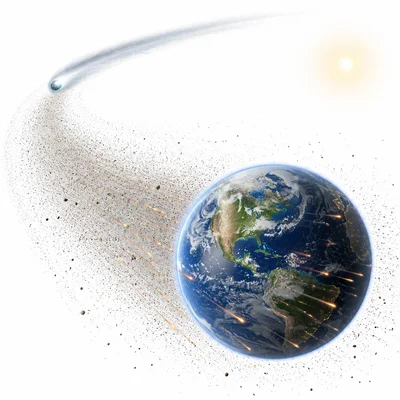
A meteor shower happens when Earth passes through a trail of dust left behind by a comet. Why do we see many meteors during a meteor shower?
- 10
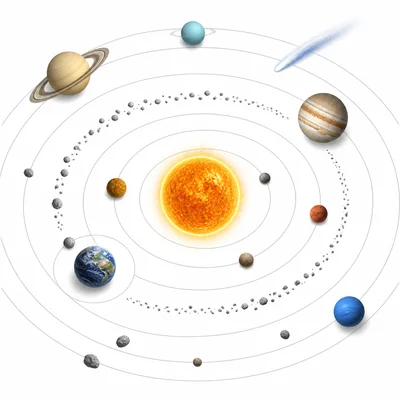
Circle all the objects that orbit the Sun: comets, asteroids, meteoroids, Earth's Moon.
- 11
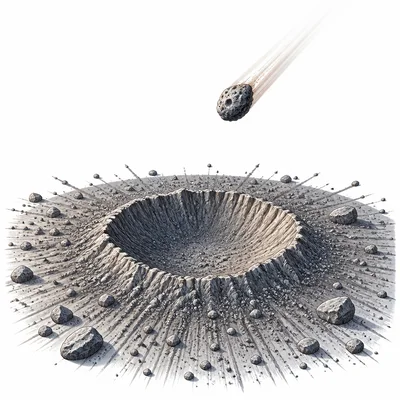
A rock from space makes a crater when it hits a planet or moon. What is a crater, and what can it tell scientists?
- 12
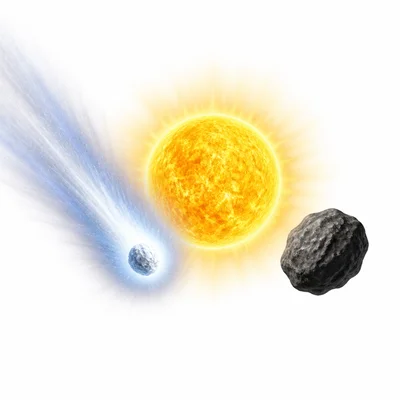
Which object would most likely grow a visible tail as it gets closer to the Sun: an asteroid or a comet? Explain your answer.
- 13
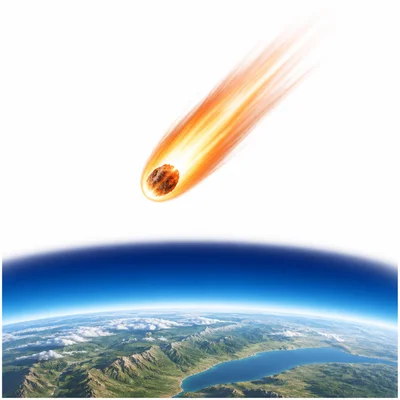
Read the clues: This object is small, rocky, and burns up before reaching the ground. What is it called while it is glowing in the atmosphere?
- 14
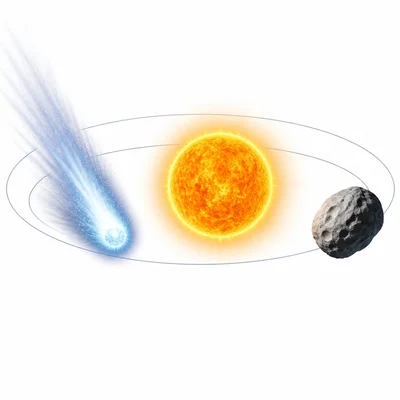
Draw or describe one way a comet and an asteroid are alike and one way they are different.
- 15
Why is it important for scientists to study asteroids and comets?