Practice explaining why the sky looks different during the day and at night as Earth rotates.
Read each problem carefully. Write complete answers and use the diagrams to help you when they are provided.
Exploring how Earth turns to make day and night
Astronomy - Grade 2-3
- 1
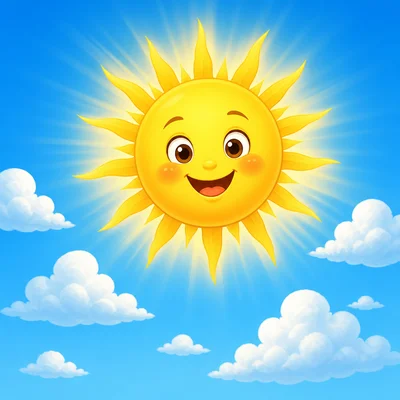
What bright object do we usually see in the sky during the day?
- 2
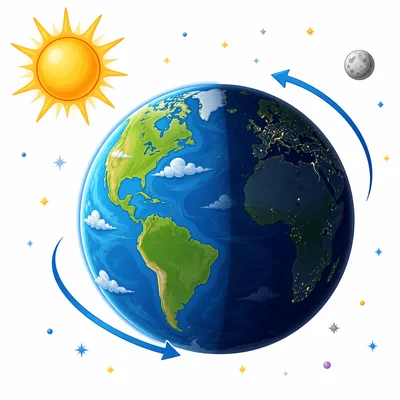
What does Earth do that causes day and night?
- 3
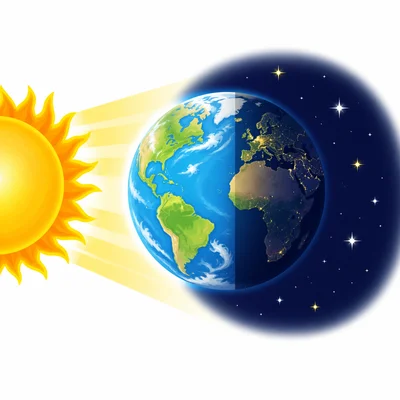
Look at the diagram. Which side of Earth is having daytime, the side facing the Sun or the side away from the Sun?
- 4
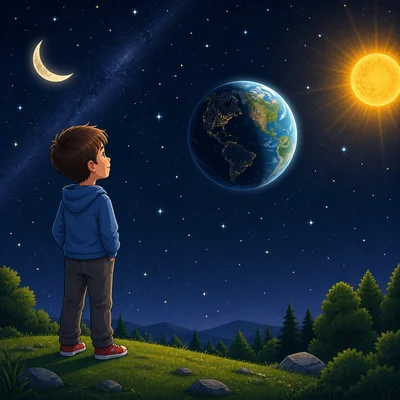
Why does the sky look dark at night?
- 5
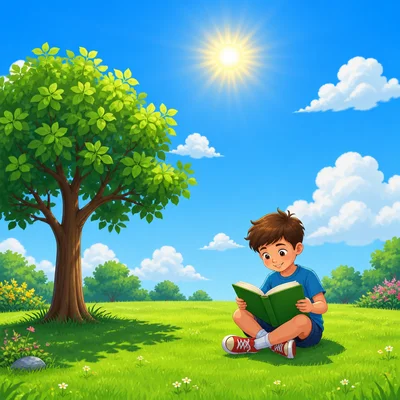
Draw or describe what the sky might look like at noon on a sunny day.
- 6
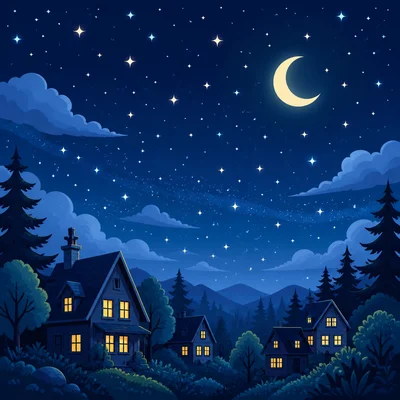
Draw or describe what the sky might look like at night.
- 7
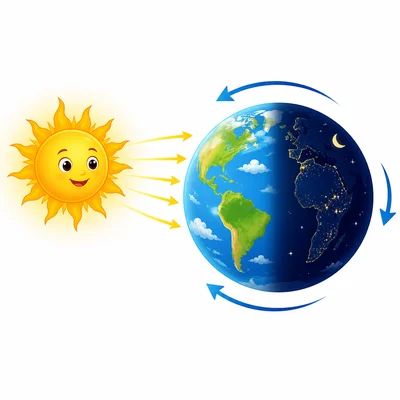
A student says, "The Sun goes away at night." Is this correct? Explain your answer.
- 8
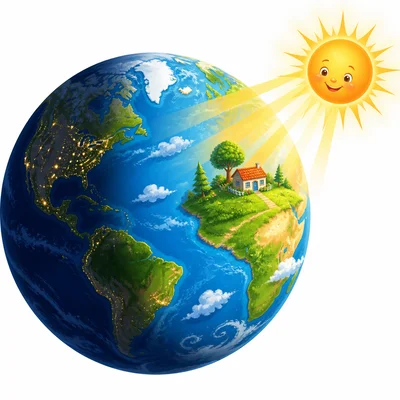
Complete the sentence: Daytime happens when our part of Earth is facing the ________.
- 9
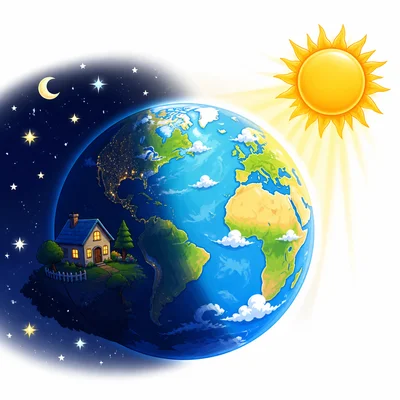
Complete the sentence: Nighttime happens when our part of Earth is turned ________ from the Sun.
- 10
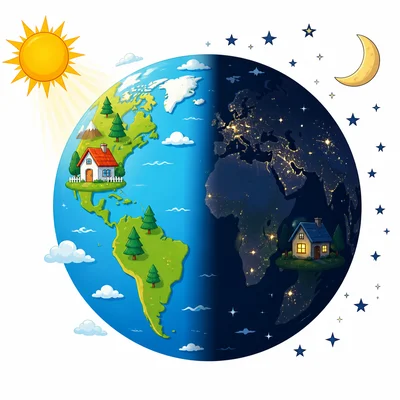
If it is daytime where you live, what is happening on the opposite side of Earth?
- 11
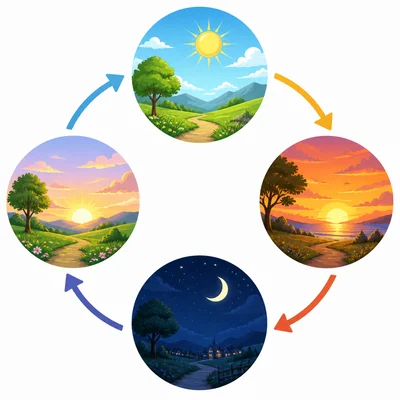
Put these events in order: sunrise, night, sunset, day.
- 12
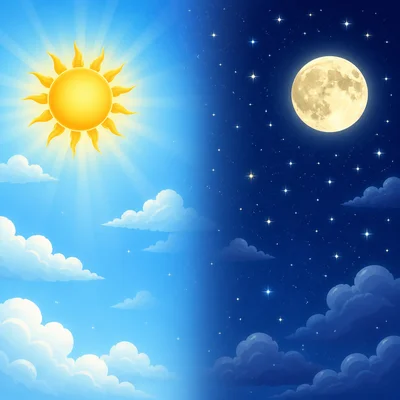
Why can we sometimes see stars at night but not during the day?
- 13
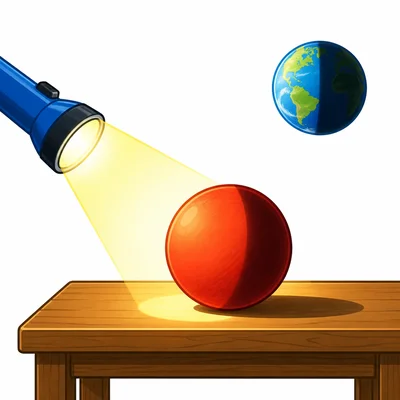
A flashlight shines on a ball. One side of the ball is bright and the other side is dark. How is this like day and night on Earth?
- 14
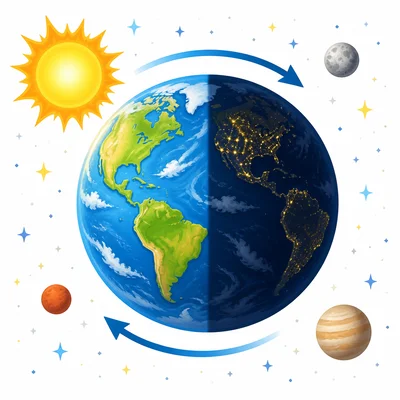
Does Earth stop moving at night? Explain your answer.
- 15
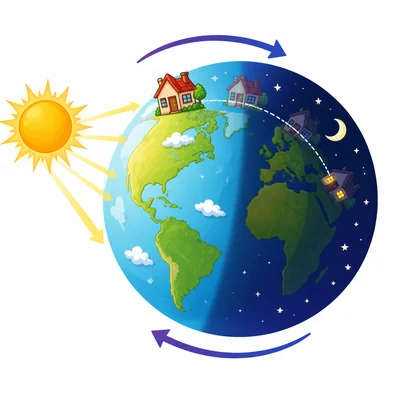
Write one sentence explaining why the sky changes from day to night.