Practice identifying planets, comparing their features, and explaining how planets move in our solar system.
Read each problem carefully. Use complete sentences when explaining your thinking. Show your work in the space provided when calculations are needed.
Exploring the planets of our solar system
Astronomy - Grade 6-8
- 1
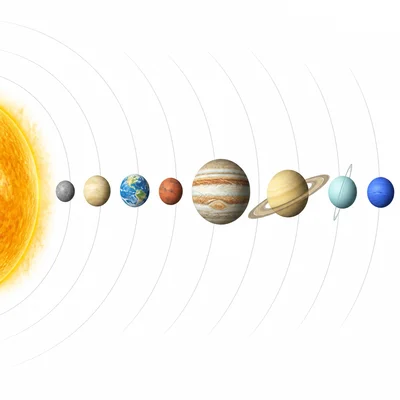
List the eight planets in order from closest to the Sun to farthest from the Sun.
- 2
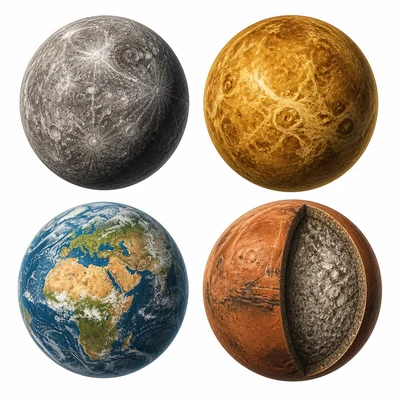
Which planets are called the terrestrial planets, and what do they have in common?
- 3
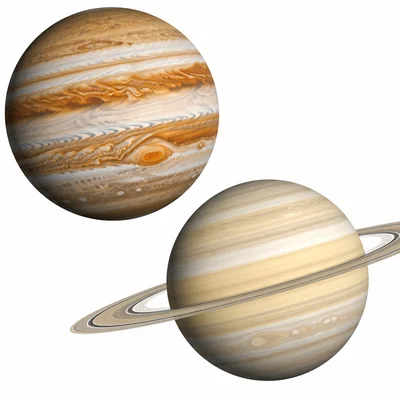
Which planets are called the gas giants, and why are they described that way?
- 4
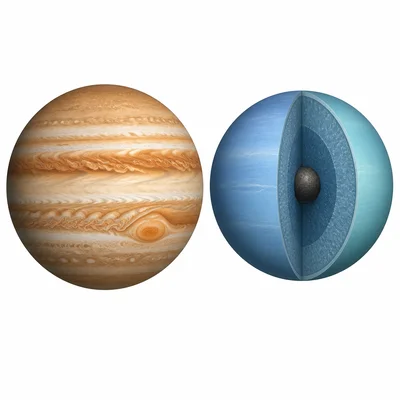
Uranus and Neptune are often called ice giants. How are ice giants different from gas giants?
- 5
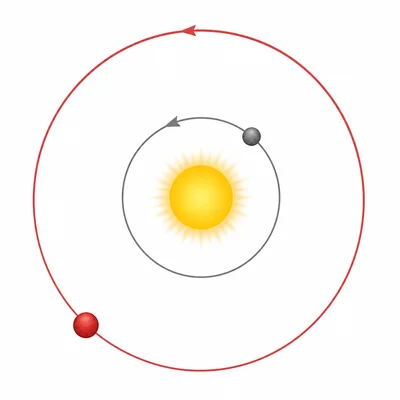
A year on a planet is the time it takes to orbit the Sun once. Which planet has a shorter year, Mercury or Mars? Explain why.
- 6
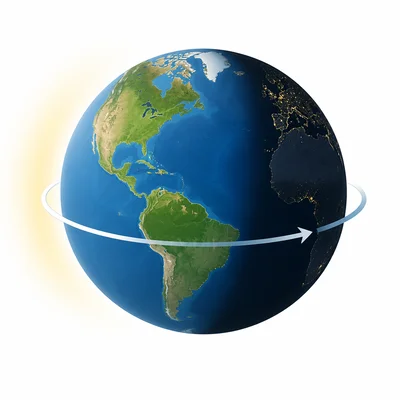
A day on a planet is related to how long it takes the planet to rotate once on its axis. Earth rotates once in about 24 hours. What does rotation mean in astronomy?
- 7
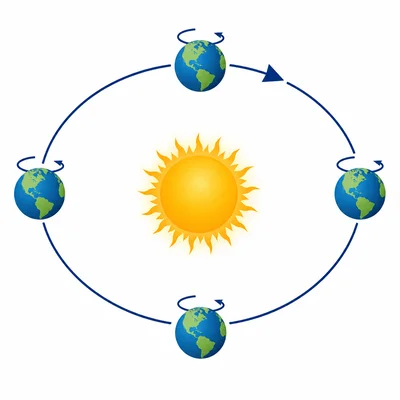
What is revolution in astronomy, and how is it different from rotation?
- 8
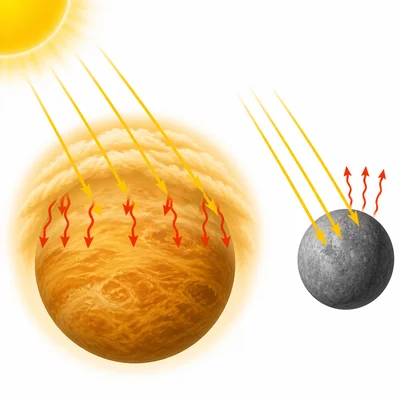
Venus is hotter than Mercury even though Mercury is closer to the Sun. Explain one reason for this.
- 9
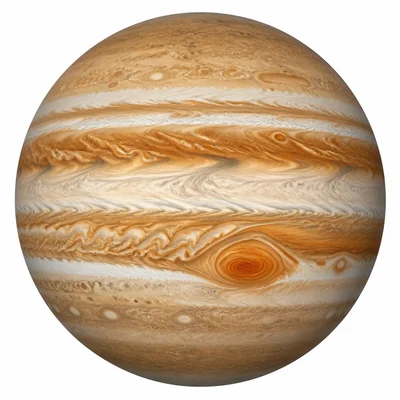
Jupiter has a Great Red Spot. What is the Great Red Spot?
- 10
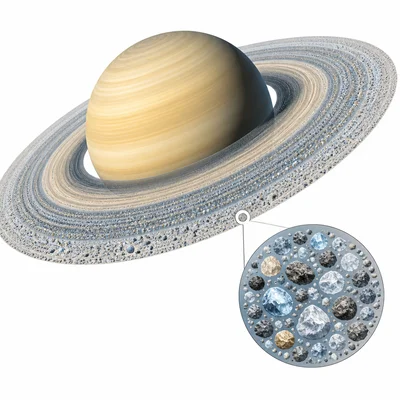
Saturn is famous for its rings. What are Saturn's rings mostly made of?
- 11
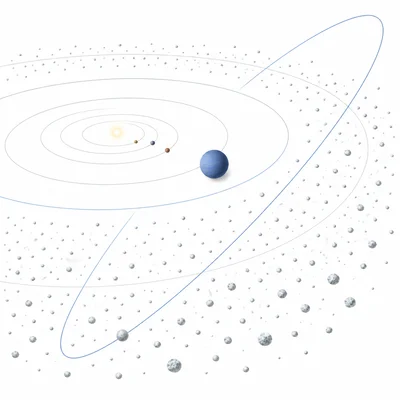
Why is Pluto classified as a dwarf planet instead of one of the eight major planets?
- 12
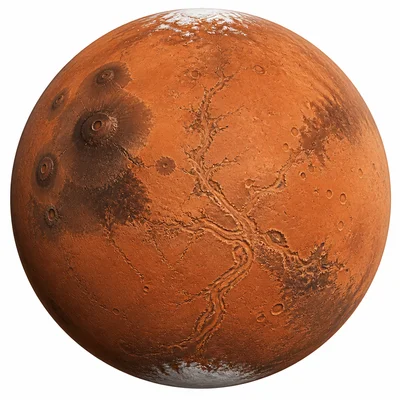
Choose the planet that best fits this description: It is known as the Red Planet and has evidence of ancient water on its surface. Explain your choice.
- 13
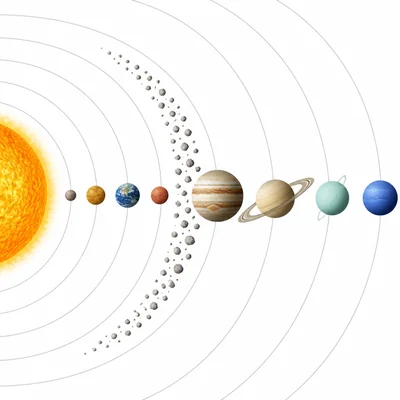
The inner planets are smaller and rocky, while the outer planets are larger and made mostly of gases or ices. What separates these two groups of planets in the solar system?
- 14
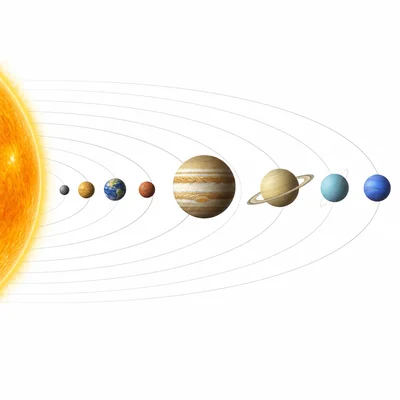
A student says, "The biggest planet must also be the farthest from the Sun." Is the student correct? Use examples to support your answer.
- 15
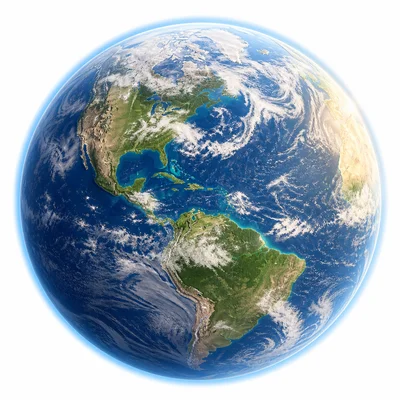
Describe two ways Earth is suitable for life compared with many other planets in the solar system.