Practice interpreting endocrine case studies involving negative feedback, hormone levels, receptors, glands, and disruptions to homeostasis.
Read each case study carefully. Identify the hormones, glands, target tissues, and feedback mechanisms involved. Support each answer with evidence from the case.
Analyzing how feedback loops maintain homeostasis and what happens when they fail
Biology - Grade 9-12
- 1
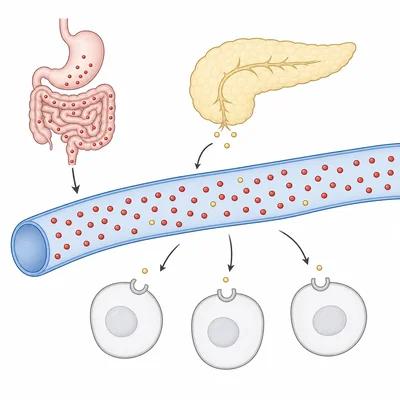
A patient has high blood glucose, frequent urination, and intense thirst. Lab results show low insulin levels and high blood glucose after meals. Explain which endocrine feedback pathway is disrupted and why blood glucose remains high.
- 2
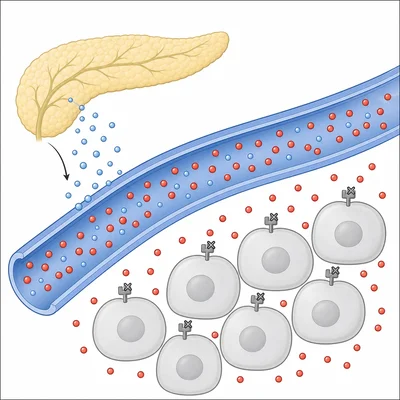
A different patient has high blood glucose and very high insulin levels. Body cells do not respond well to insulin. Identify the likely problem in the feedback system and explain how this differs from having too little insulin.
- 3
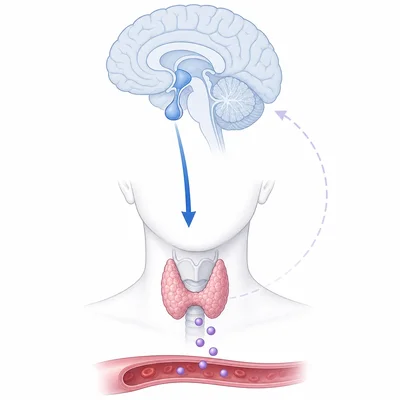
A person has low thyroid hormone levels, fatigue, cold intolerance, and weight gain. Their pituitary gland releases high levels of TSH. Use feedback reasoning to explain why TSH is high.
- 4
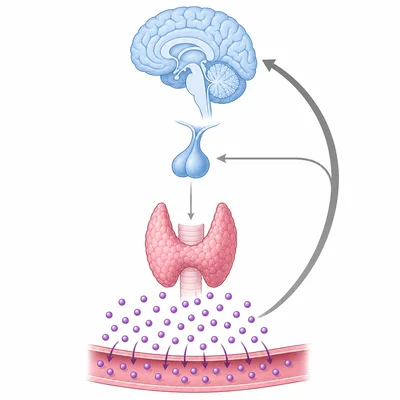
A patient has high thyroid hormone levels, rapid heartbeat, sweating, and weight loss. Their TSH level is very low. Explain how the hormone levels show negative feedback at work.
- 5
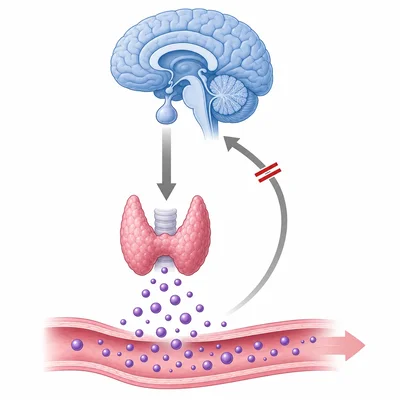
A patient has high thyroid hormone levels and high TSH levels. Explain why this pattern suggests a problem different from ordinary hyperthyroidism.
- 6
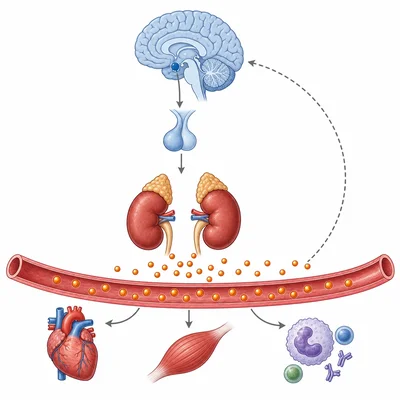
A person is exposed to long-term stress. Their cortisol level stays high for many weeks. Describe the normal hypothalamus-pituitary-adrenal axis and explain one harmful effect of chronic cortisol elevation.
- 7
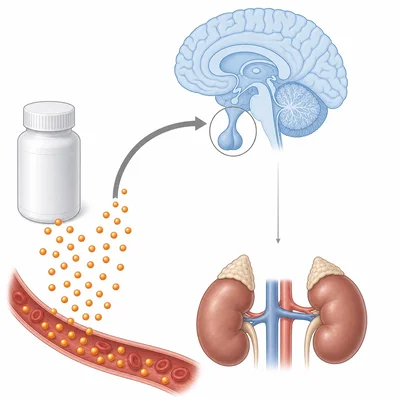
A patient takes high doses of a synthetic cortisol medication for several months. When the medication is suddenly stopped, the patient has very low natural cortisol production. Explain why this can happen.
- 8
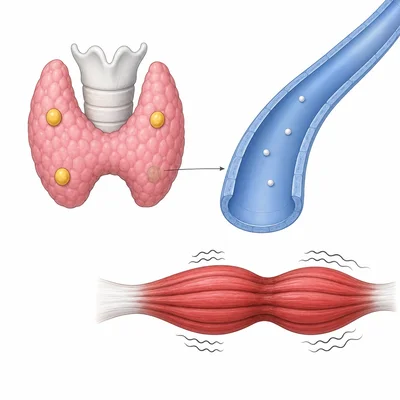
A child has normal blood calcium levels. After a gland injury, blood calcium drops, muscles cramp, and parathyroid hormone levels are very low. Identify the gland involved and explain the feedback disruption.
- 9
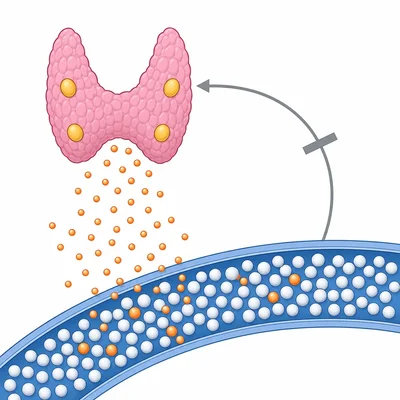
A patient has high blood calcium and high parathyroid hormone levels. Explain why this combination suggests that the parathyroid glands may not be following normal negative feedback.
- 10
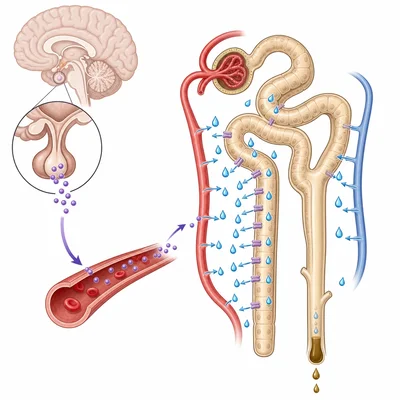
A person drinks very little water during a hot day. Their blood becomes more concentrated, and the posterior pituitary releases more ADH. Explain how ADH helps restore homeostasis.
- 11
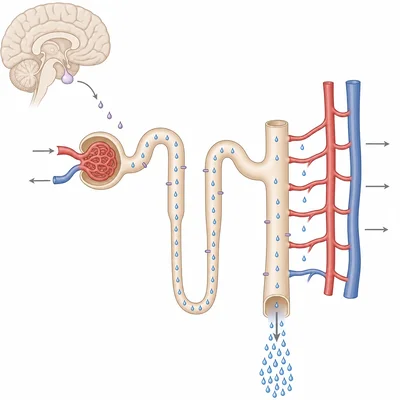
A patient produces large amounts of very dilute urine and is often thirsty. Blood tests suggest that ADH is low. Explain how low ADH disrupts water balance.
- 12
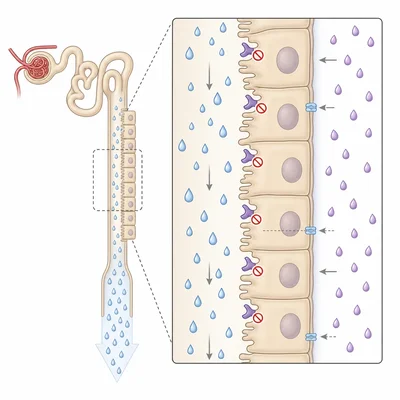
Another patient has normal or high ADH levels but still produces large amounts of dilute urine. Explain how this case differs from low ADH production.
- 13
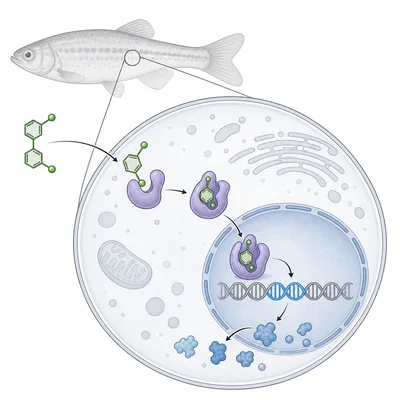
A pesticide is found to bind estrogen receptors in some fish. Exposed male fish begin producing egg-related proteins normally controlled by estrogen. Explain how an endocrine disruptor can change gene expression without being a natural hormone.
- 14
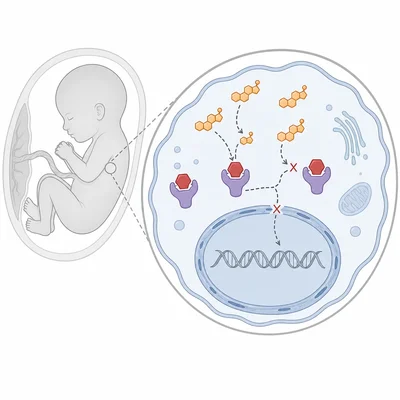
A chemical blocks androgen receptors during fetal development. Predict one possible developmental effect and explain the mechanism.
- 15
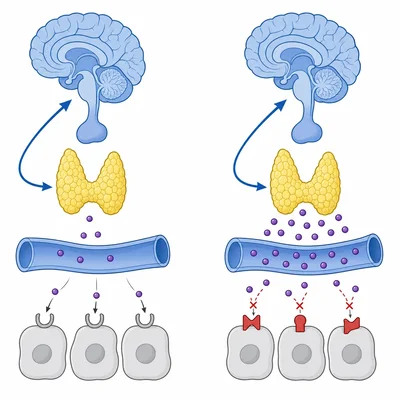
A researcher compares two endocrine disorders. Disorder A has low hormone levels because the gland cannot produce the hormone. Disorder B has normal hormone levels, but target cells do not respond. Explain how feedback signals might differ between the two disorders.