Practice applying homeostasis concepts to body temperature, blood glucose, and water balance case studies.
Read each case study carefully. Identify the variable being regulated, the sensors, control center, effectors, and feedback involved. Show your reasoning in the space provided.
Analyzing feedback loops that keep internal conditions stable
Biology - Grade 9-12
- 1
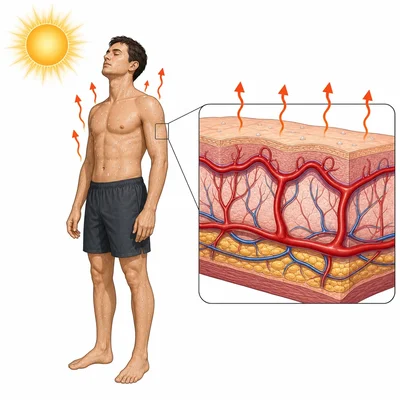
A student runs outside on a hot day. Their body temperature rises from 37.0°C to 38.2°C. They begin sweating and blood vessels near the skin widen. Identify the regulated variable, the response, and whether this is negative or positive feedback.
- 2
After sitting in a cold classroom, a student begins to shiver and their skin feels cool. Explain how shivering helps maintain homeostasis.
- 3
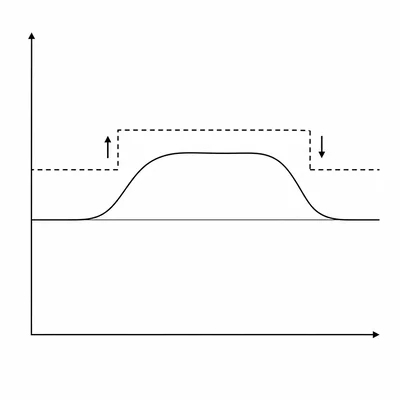
A graph shows body temperature increasing from 37°C to 39°C during a fever, then returning to 37°C after several hours. Describe what is happening to the set point during a fever and how that affects body responses.
- 4
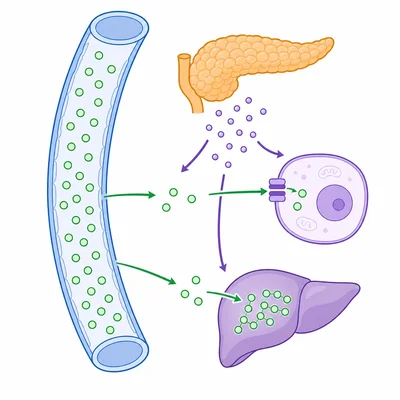
A person eats a meal high in carbohydrates. Their blood glucose level rises. Explain the role of insulin in restoring homeostasis.
- 5
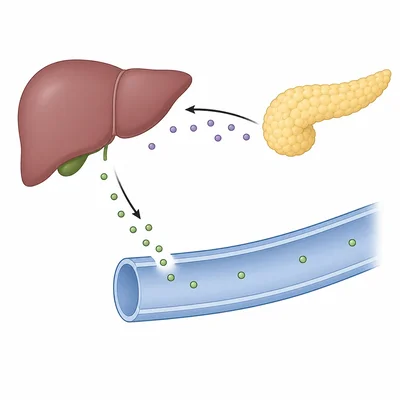
A person has not eaten for many hours, and their blood glucose level drops. Explain the role of glucagon in restoring homeostasis.
- 6
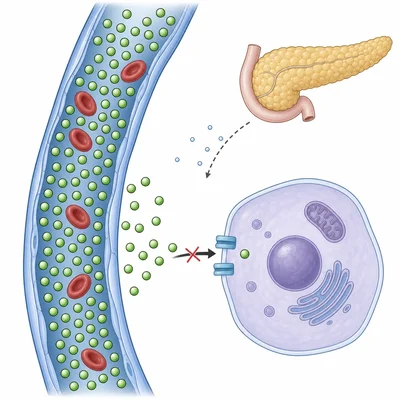
A patient has type 1 diabetes, in which the pancreas produces little or no insulin. After eating a high-carbohydrate meal without taking insulin, predict what will happen to the patient's blood glucose and explain why.
- 7
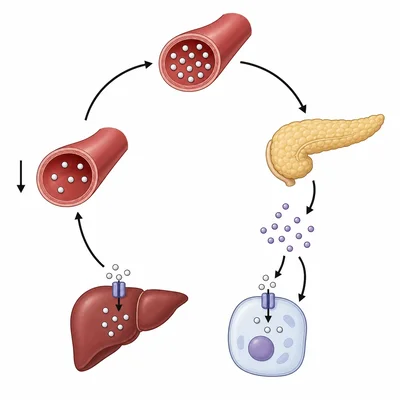
Complete the feedback pathway: Blood glucose rises after a meal. The pancreas detects the change. The pancreas releases insulin. Body cells take in glucose and the liver stores glucose. What happens next, and why is this negative feedback?
- 8
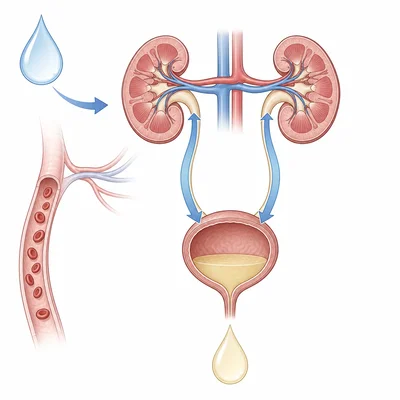
A student drinks a large bottle of water quickly. Their blood becomes slightly more dilute. Predict how the kidneys help restore water balance.
- 9
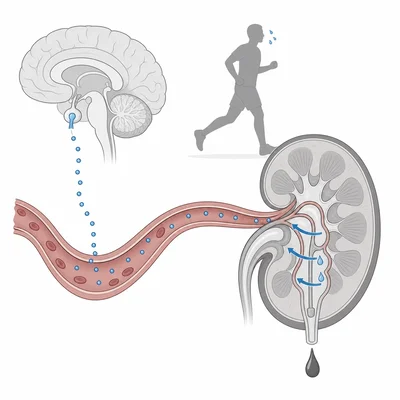
A person exercises for an hour and sweats heavily but does not drink water. Their blood becomes more concentrated. Explain how the hormone ADH helps maintain homeostasis.
- 10
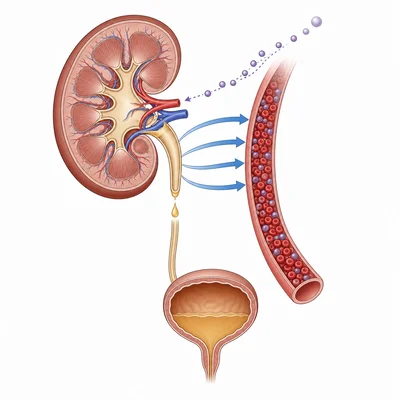
A urine sample is very dark yellow and low in volume. Based on homeostasis, what might this indicate about the person's hydration status and ADH level?
- 11
Compare temperature regulation and blood glucose regulation. Name one similarity and one difference between the two homeostatic systems.
- 12
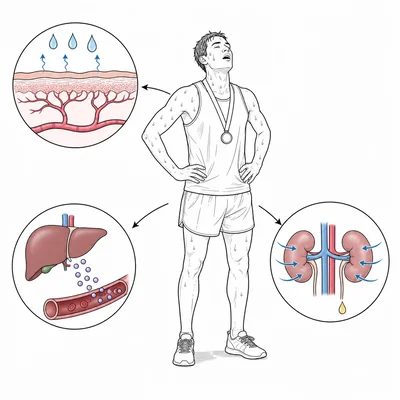
A runner finishes a race. Their body temperature is high, blood glucose is lower than before the race, and they have lost water through sweat. Identify one homeostatic response for each variable.
- 13
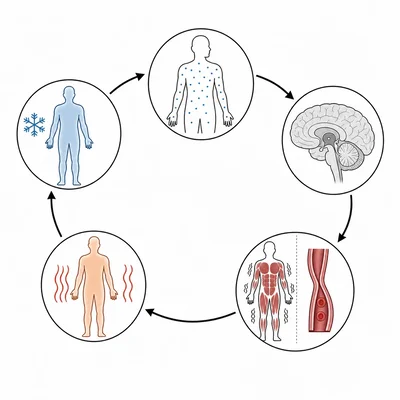
The diagram shows a feedback loop with these steps: stimulus, receptor, control center, effector, response. Use the example of low body temperature to fill in each step.
- 14
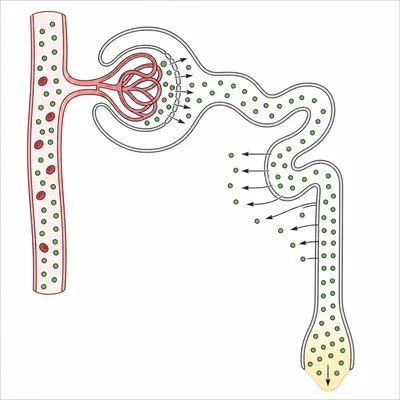
A person with untreated diabetes may have glucose in their urine. Explain why glucose might appear in urine when blood glucose is extremely high.
- 15
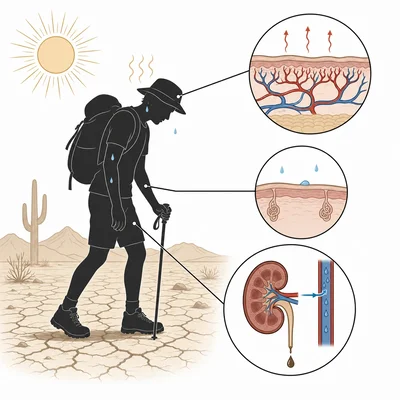
Analyze this case: A hiker is lost in a dry desert for several hours. They are hot, thirsty, sweating less than before, and producing very little urine. Explain how at least two homeostatic systems are responding and why these responses matter.