Explore how invasive species are introduced, why they spread, and how they affect ecosystems, native species, and human communities.
Read each problem carefully. Use complete sentences when explaining your thinking. Show your work for any data or graph questions.
How non-native species change food webs, habitats, and biodiversity
Biology - Grade 6-8
- 1
Define an invasive species in your own words. Include both where it comes from and what effect it has on an ecosystem.
- 2
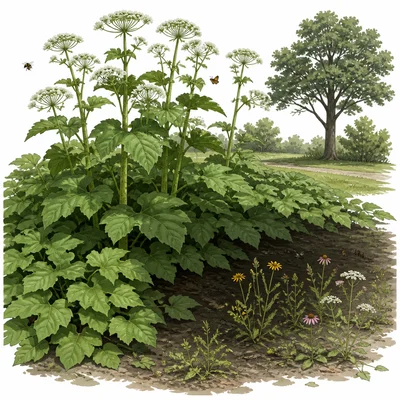
A plant from another continent is brought to a park. It grows quickly, blocks sunlight from native plants, and reduces the number of insects that feed on native plants. Is this plant invasive? Explain your answer.
- 3
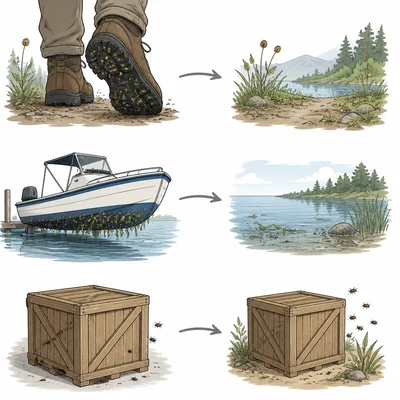
List three ways invasive species can be introduced to a new ecosystem by humans.
- 4
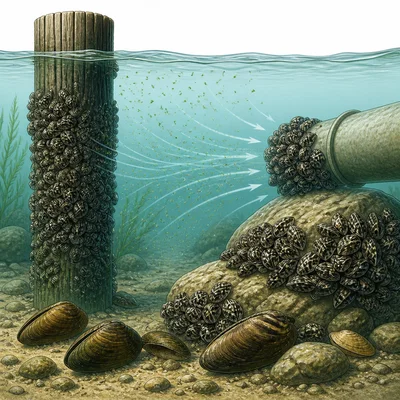
Zebra mussels are invasive in many freshwater lakes. They attach to surfaces, filter large amounts of plankton, and compete with native mussels. Describe two possible effects zebra mussels could have on a lake ecosystem.
- 5
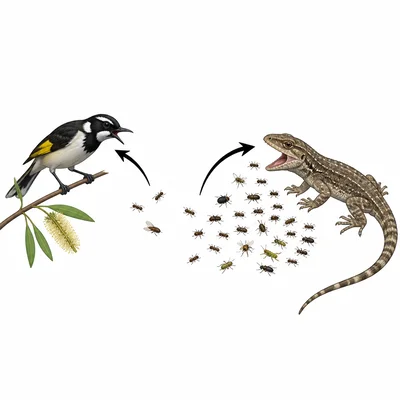
A native bird eats a native insect. An invasive lizard arrives and eats many of the same insects. Predict what might happen to the native bird population over time and explain why.
- 6
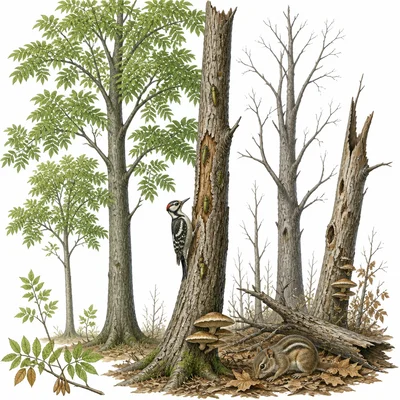
In one forest, an invasive beetle kills many ash trees. Explain how losing many ash trees could affect other organisms in the forest.
- 7
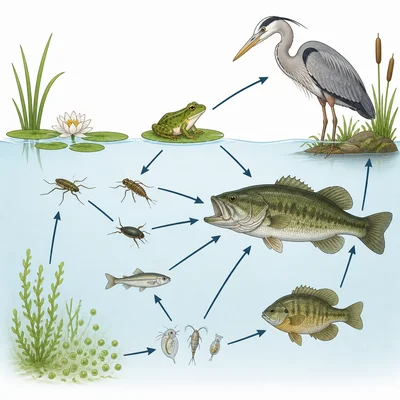
A pond food web includes algae, small insects, frogs, fish, and herons. An invasive fish eats many frogs and small insects. Describe one direct effect and one indirect effect of the invasive fish.
- 8
A student says, "All non-native species are invasive." Explain why this statement is not correct.
- 9
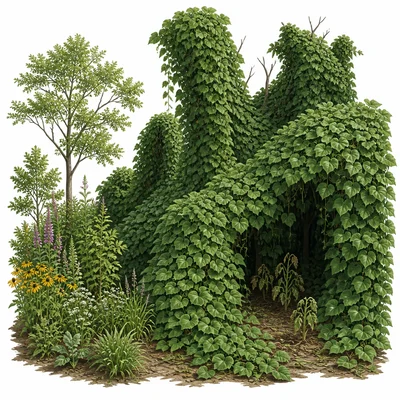
Kudzu is a fast-growing vine that can cover trees and shrubs. Explain how kudzu can reduce biodiversity in an ecosystem.
- 10
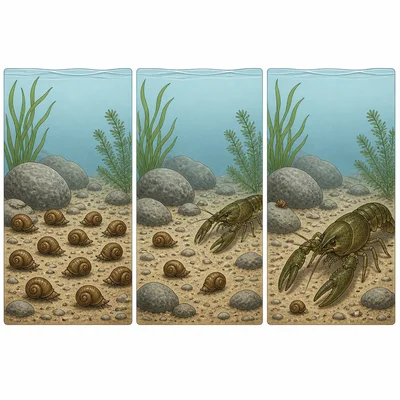
A lake has 200 native snails before an invasive crayfish arrives. After one year, there are 120 native snails. After two years, there are 60 native snails. What trend is shown, and what is one possible explanation?
- 11
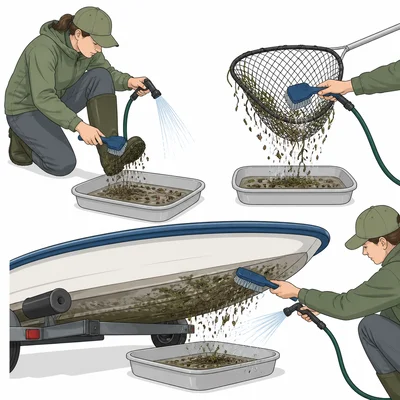
Scientists often recommend cleaning mud and plant material off boats, boots, and fishing gear before moving to another lake or stream. Explain how this helps prevent invasive species.
- 12
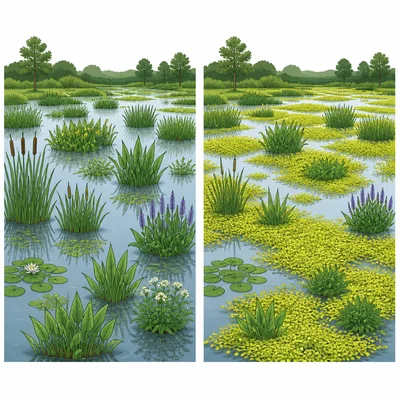
Study this data: In 2020, a wetland had 80 native plant patches and 5 invasive plant patches. In 2024, it had 45 native plant patches and 40 invasive plant patches. What happened to each plant group, and what concern might scientists have?
- 13
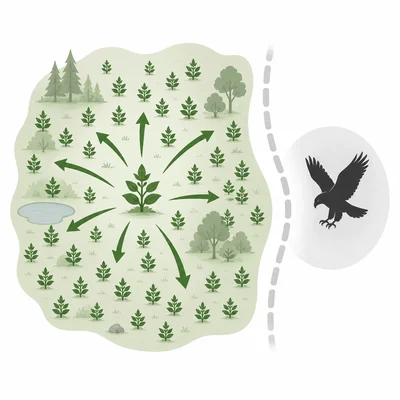
Explain why invasive species often spread quickly when they have few natural predators in a new ecosystem.
- 14
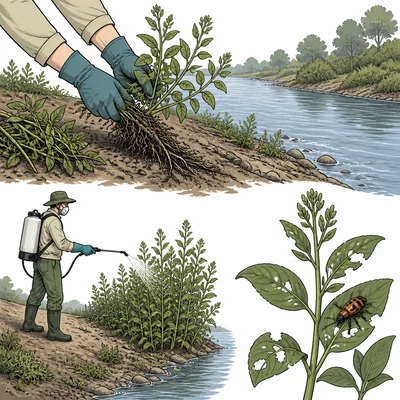
A community wants to control an invasive plant near a river. They are choosing between pulling it by hand, using herbicide, and releasing an insect that eats the plant. Choose one method and describe one benefit and one possible risk.
- 15
Write a short explanation of why invasive species are a problem for ecosystem balance. Include at least two effects they can have.