Practice identifying flower parts, explaining pollination, and describing how seeds form and spread.
Read each problem carefully. Show your thinking in the space provided.
How flowers make seeds and how pollination helps plants reproduce
Biology - Grade 4-5
- 1
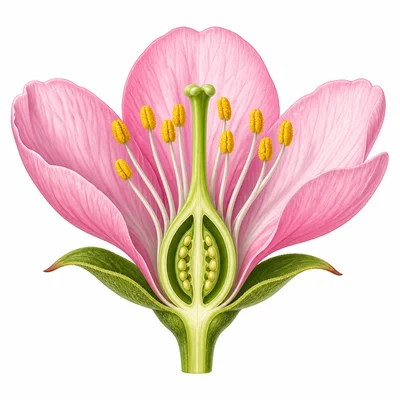
A flower has petals, stamens, pistils, and sepals. Choose two parts and explain what each part does.
- 2
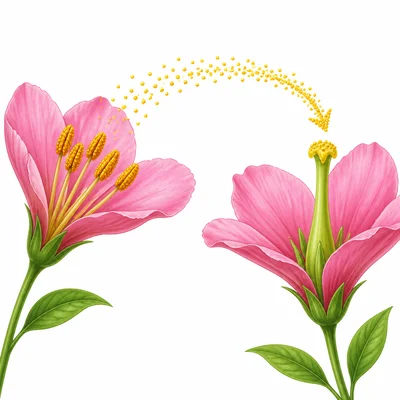
What is pollination?
- 3
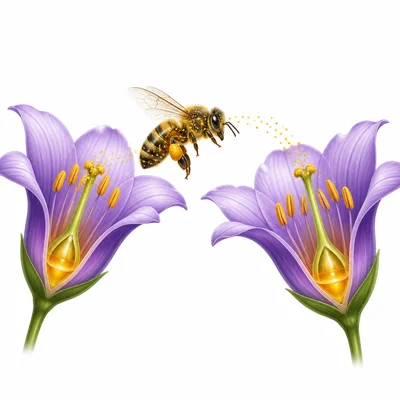
A bee visits a flower to drink nectar. Pollen sticks to the bee's body. The bee then visits another flower of the same kind. Explain how the bee helps the plant reproduce.
- 4
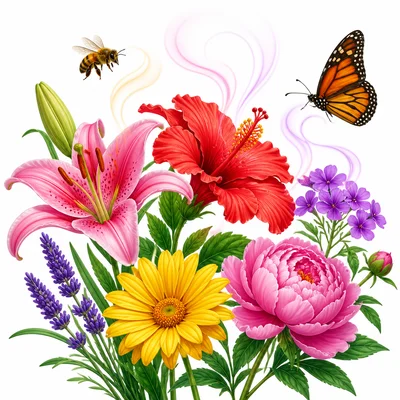
Why do many flowers have bright colors or sweet smells?
- 5
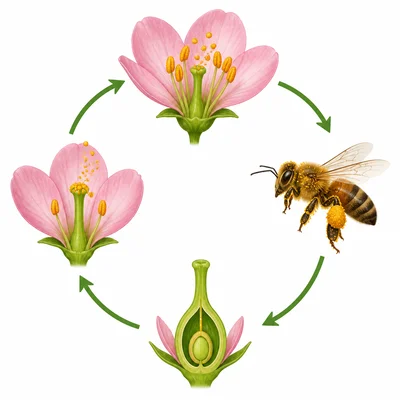
Put these steps in order: pollen lands on the pistil, a seed forms, pollen is moved by a pollinator, a flower makes pollen.
- 6
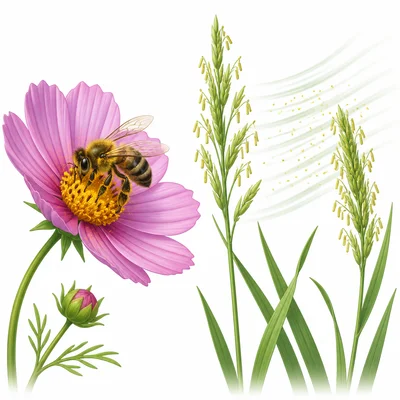
A student says, 'All plants need bees to reproduce.' Explain why this statement is not correct.
- 7
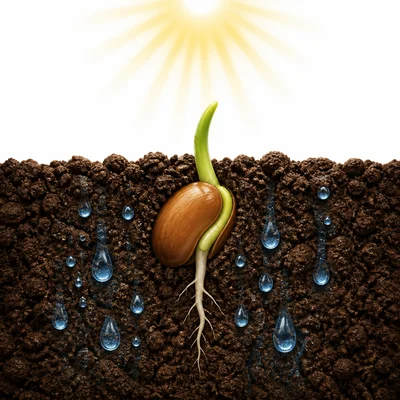
Look at a seed. Name two things a seed needs in order to sprout and begin growing.
- 8
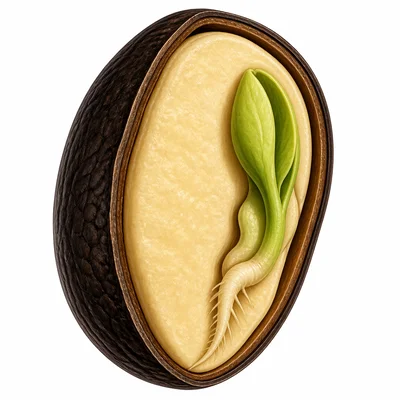
What is the job of the seed coat?
- 9
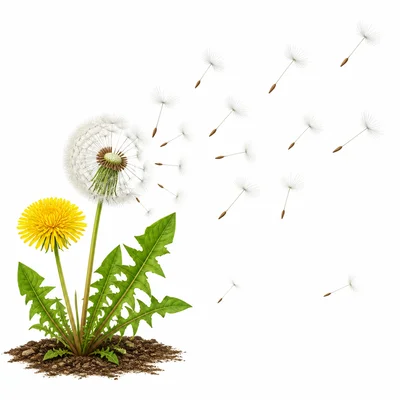
Some seeds have fluffy parts that help them float through the air. How does this help the plant?
- 10
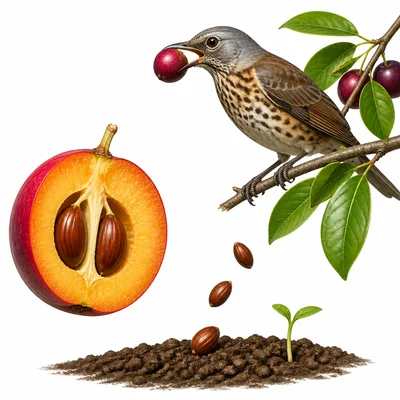
A fruit grows around seeds after a flower is pollinated. Explain one way fruit helps seeds.
- 11
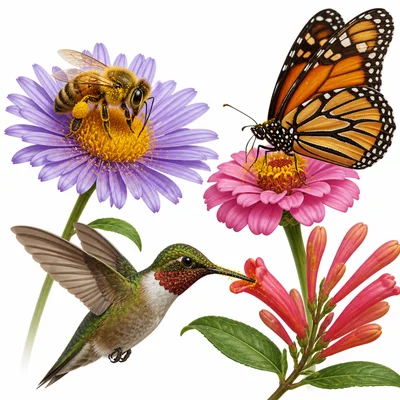
Match each pollinator to how it helps: bee, butterfly, bird. Write one sentence for each.
- 12
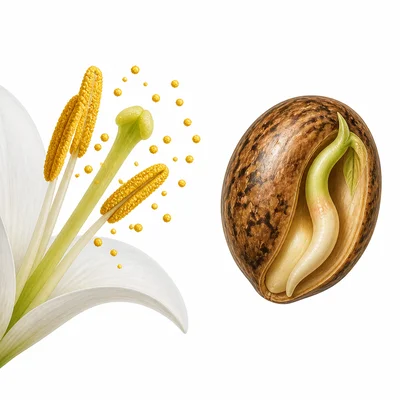
What is the difference between pollen and a seed?
- 13
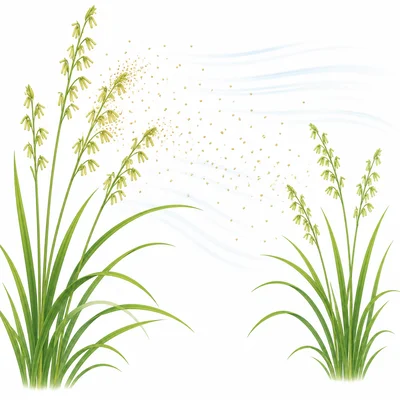
A plant has small green flowers with no strong smell. It releases a lot of light pollen into the air. What kind of pollination is this plant likely using? Explain your answer.
- 14
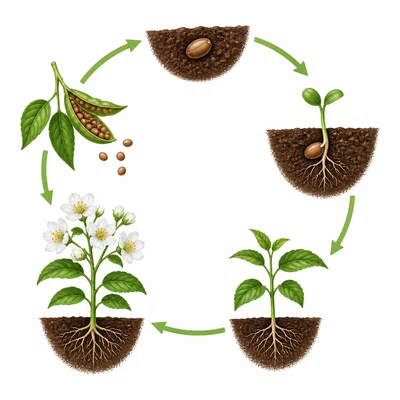
Draw or describe the life cycle of a flowering plant starting with a seed.
- 15
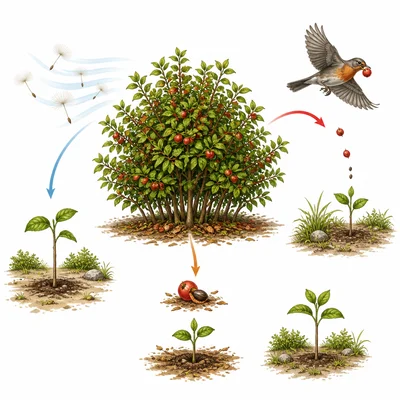
Why is seed dispersal important for plant survival?