Sign in to save

Bookmark this page so you can find it later.

Sign in to save

Bookmark this page so you can find it later.

Chemistry Grade 9-12

Chemistry: Organic Chemistry: Nomenclature and Isomers

Practice naming organic compounds and identifying isomers

View Answer Key

Practice applying IUPAC naming rules, recognizing functional groups, and comparing structural and geometric isomers.

Read each problem carefully. Use correct IUPAC naming rules when naming compounds. Show your reasoning in the space provided.

Name:
Date:
Score: / 15

Practice naming organic compounds and identifying isomers

Chemistry - Grade 9-12

Instructions: Read each problem carefully. Use correct IUPAC naming rules when naming compounds. Show your reasoning in the space provided.
  1. 1
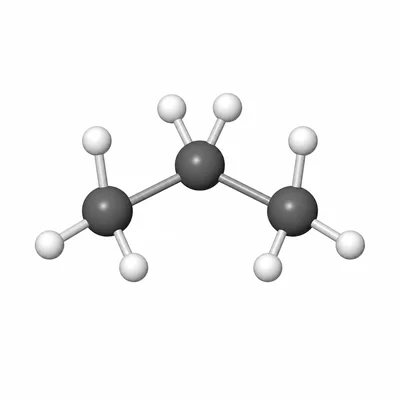
    Ball-and-stick model of a three-carbon propane molecule.

    Name the compound with the condensed structural formula CH3-CH2-CH3.

  2. 2
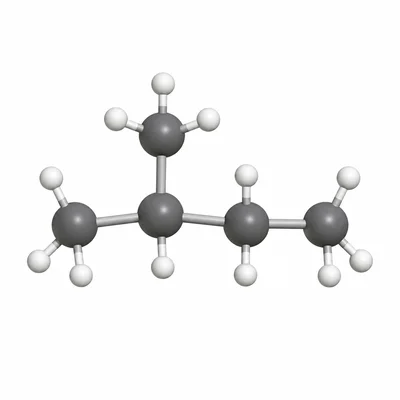
    Ball-and-stick model of a branched five-carbon alkane with one methyl branch.

    Name the compound with the condensed structural formula CH3-CH(CH3)-CH2-CH3.

  3. 3
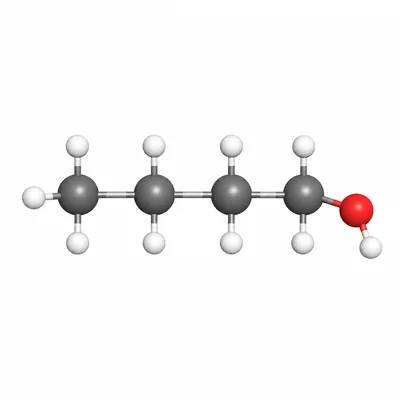
    Ball-and-stick model of a four-carbon alcohol with an end hydroxyl group.

    Name the alcohol with the condensed structural formula CH3-CH2-CH2-CH2-OH.

  4. 4
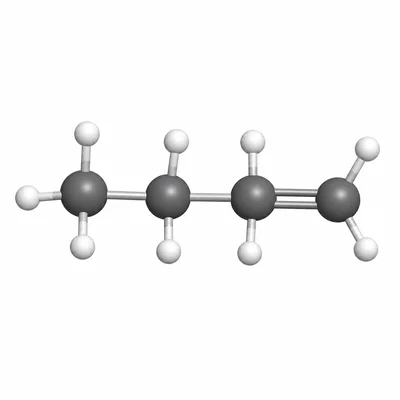
    Ball-and-stick model of a four-carbon alkene with a terminal double bond.

    Name the alkene with the condensed structural formula CH3-CH2-CH=CH2.

  5. 5
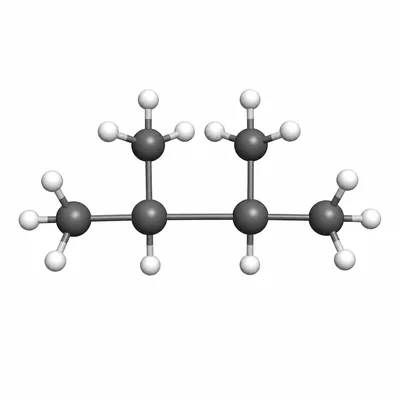
    Ball-and-stick model of a branched alkane with methyl groups on two adjacent middle carbons.

    Name the compound with the condensed structural formula CH3-CH(CH3)-CH(CH3)-CH3.

  6. 6
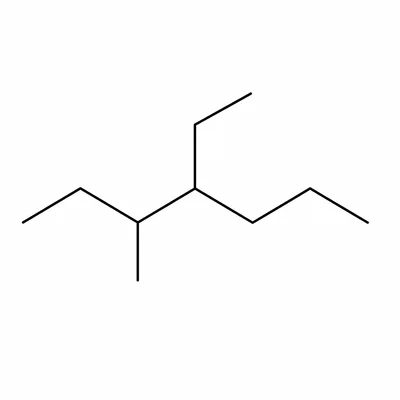
    Line-angle structure of a six-carbon chain with methyl and ethyl branches.

    Write a condensed structural formula for 3-ethyl-2-methylhexane.

  7. 7
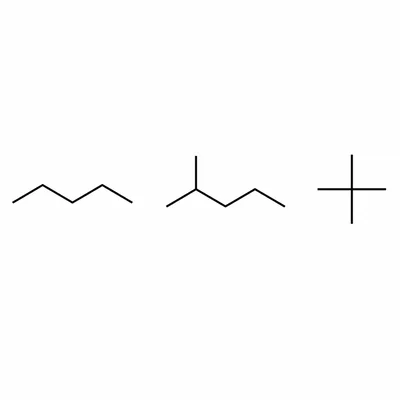
    Three skeletal structures showing the three structural isomers of pentane.

    List all three structural isomers of C5H12 by IUPAC name.

  8. 8
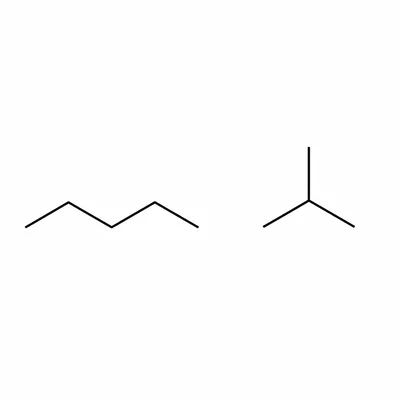
    Two skeletal structures showing straight-chain butane and branched isobutane.

    Explain what structural isomers are, using C4H10 as an example.

  9. 9
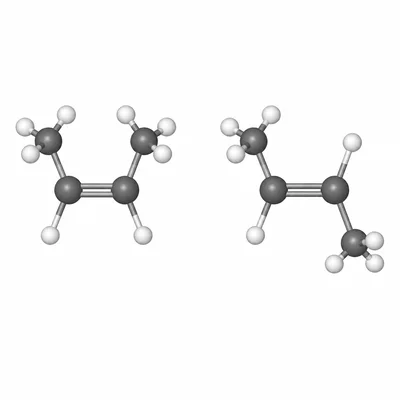
    Side-by-side models showing cis and trans arrangements around a carbon-carbon double bond.

    Describe the difference between cis-2-butene and trans-2-butene.

  10. 10
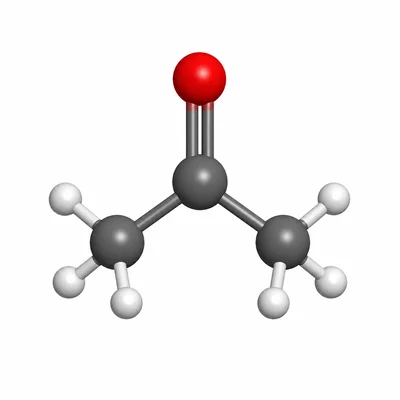
    Ball-and-stick model of acetone with a central carbonyl group.

    Name the compound CH3-CO-CH3 and identify its functional group.

  11. 11
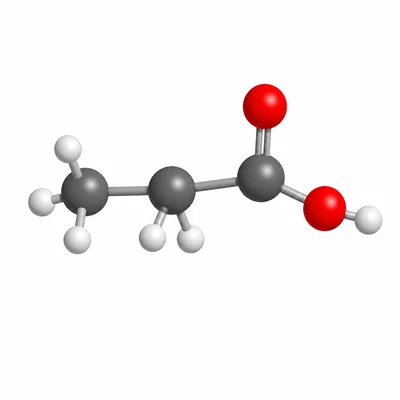
    Ball-and-stick model of a three-carbon carboxylic acid with a carboxyl group.

    Name the compound CH3-CH2-COOH and identify its functional group.

  12. 12
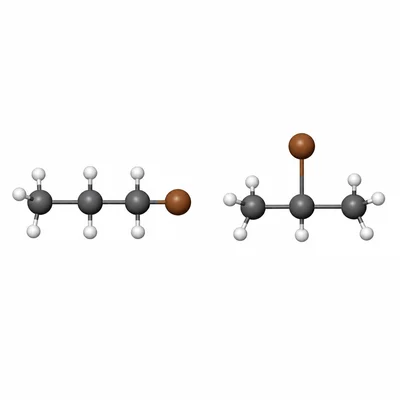
    Two bromopropane isomers showing bromine on an end carbon and on the middle carbon.

    Name CH3-CH2-CH2-Br and give the name of one structural isomer with the same molecular formula.

  13. 13
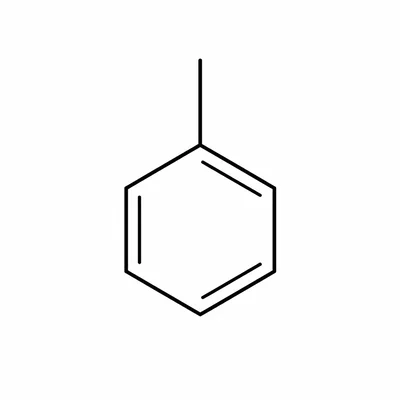
    Skeletal structure of a benzene ring with one methyl substituent.

    Name a benzene ring with one methyl group attached.

  14. 14
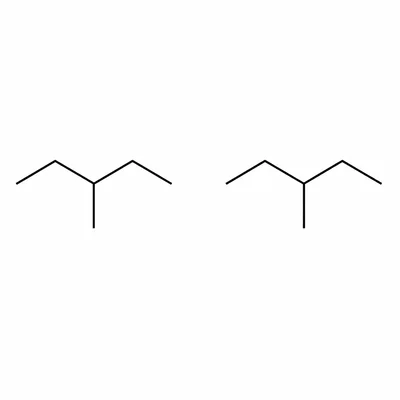
    Two skeletal structures showing methylpentane isomers with branches in different positions.

    Are 2-methylpentane and 3-methylpentane structural isomers? Explain your answer.

  15. 15
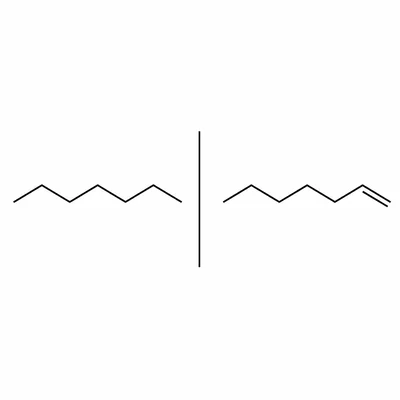
    Comparison of a six-carbon alkane with all single bonds and a six-carbon alkene with a terminal double bond.

    Explain the difference between a saturated hydrocarbon and an unsaturated hydrocarbon. Use hexane and hex-1-ene as examples.

LivePhysics™.com Chemistry - Grade 9-12

More Chemistry Worksheets

See all Chemistry worksheets

More Grade 9-12 Worksheets

See all Grade 9-12 worksheets