Learn about tornadoes, hurricanes, and thunderstorms, including how they form, how meteorologists track them, and what safety steps people should take.
Read each problem carefully. Answer in complete sentences when needed. Show your thinking in the space provided.
Understanding how severe storms form and how to stay safe
Earth Science - Grade 4-5
- 1
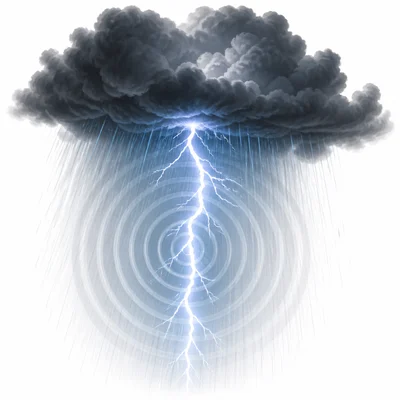
A thunderstorm has dark clouds, heavy rain, lightning, and thunder. Explain what causes thunder.
- 2
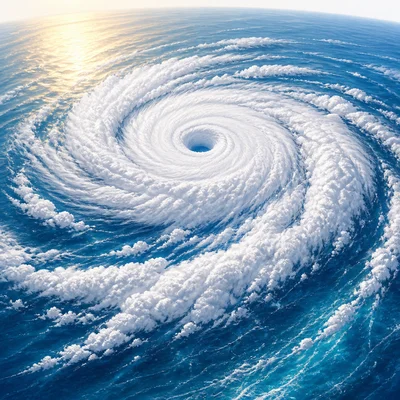
Circle the type of severe weather that forms over warm ocean water: tornado, hurricane, or blizzard. Explain your choice.
- 3
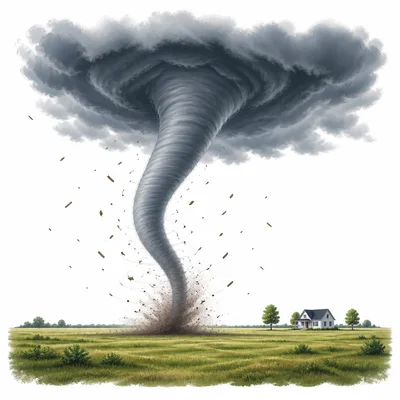
Tornadoes often look like a spinning funnel. What is a tornado, and why can it be dangerous?
- 4
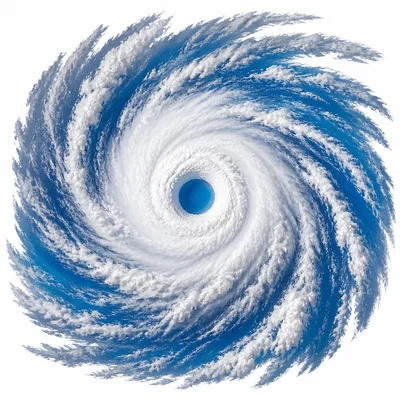
Put these hurricane parts in order from the center outward: rainbands, eye, eyewall.
- 5
A weather report says there is a severe thunderstorm watch for your area. What does a watch mean?
- 6
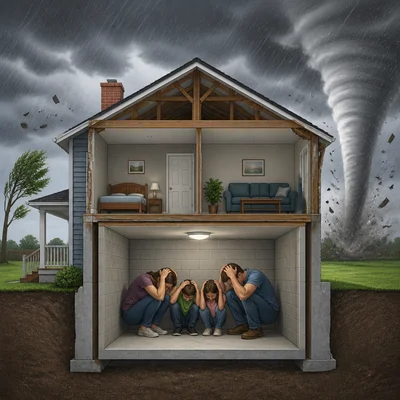
A weather report says there is a tornado warning for your town. What should people do?
- 7
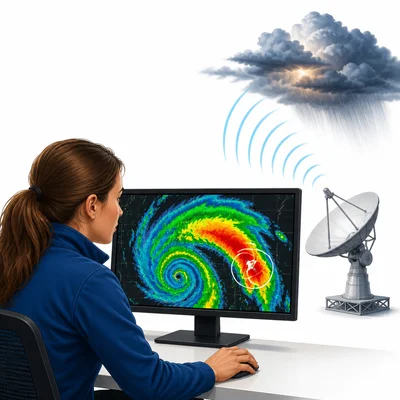
Why do meteorologists use radar during storms?
- 8
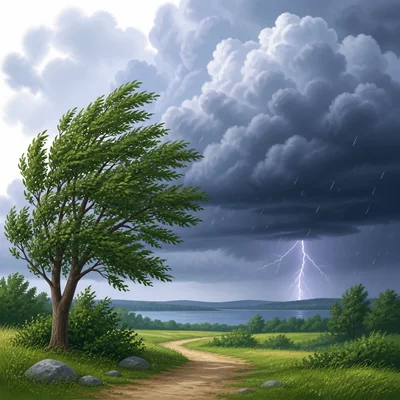
Name two signs that a thunderstorm may be nearby.
- 9
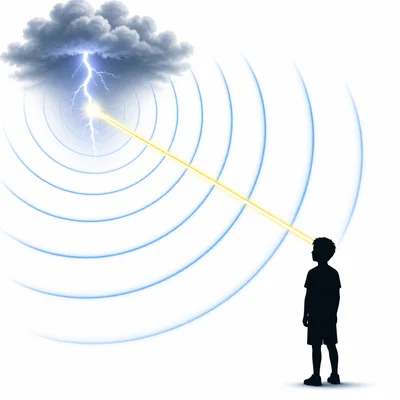
Lightning is seen before thunder is heard. Explain why this happens.
- 10
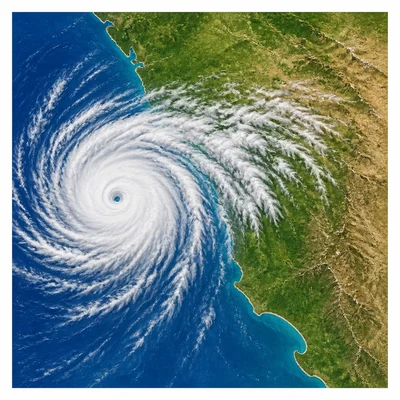
A hurricane weakens after moving over land. Explain why this usually happens.
- 11
Look at a simple storm safety plan. It says: go indoors, stay away from windows, avoid using wired electronics, and wait until the storm passes. Which type of severe weather is this plan mainly for?
- 12
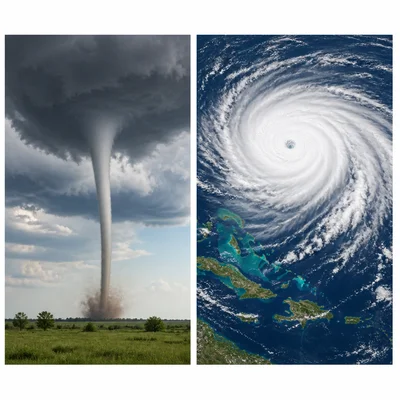
Compare tornadoes and hurricanes. Write one way they are alike and one way they are different.
- 13
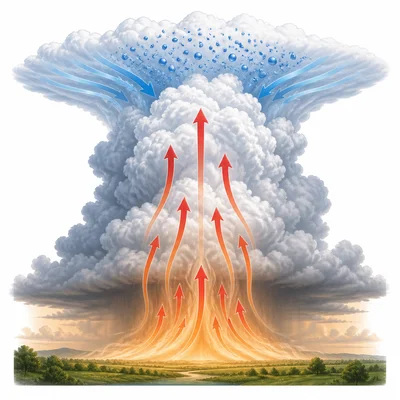
A storm cloud grows tall and has strong rising air inside it. How can rising warm air help a thunderstorm form?
- 14
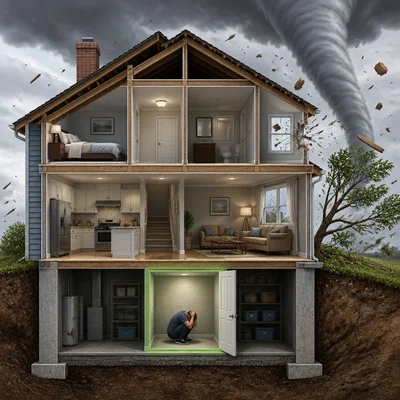
Choose the best safe place during a tornado: near a window, outside under a tree, or in a small interior room on the lowest floor. Explain your answer.
- 15
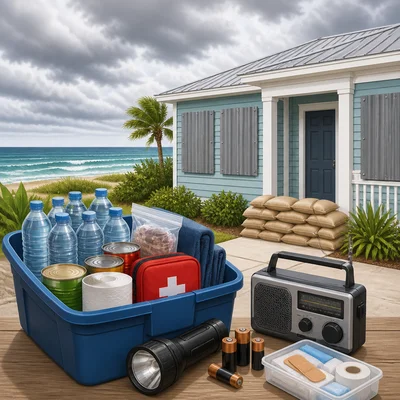
A coastal town is preparing for a hurricane. List three supplies or actions that would help the town or a family be ready.