Practice identifying soil layers, describing soil composition, and explaining why soil is important for plants and ecosystems.
Read each problem carefully. Use complete sentences when explaining your thinking. Show your work in the space provided.
Exploring soil horizons, particles, and living things in soil
Earth Science - Grade 4-5
- 1
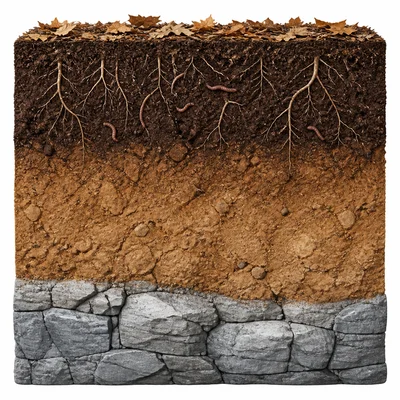
A soil profile is a side view of soil from the surface down to the rock below. Name the top layer of soil and describe one thing usually found there.
- 2
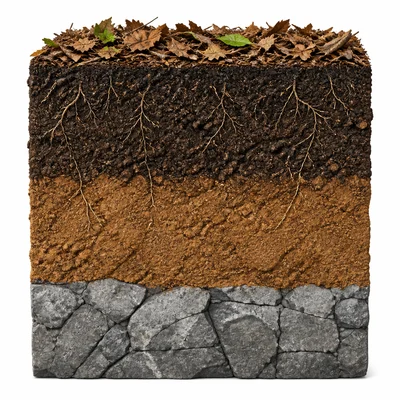
Put these soil layers in order from the surface down: bedrock, topsoil, subsoil, organic layer.
- 3
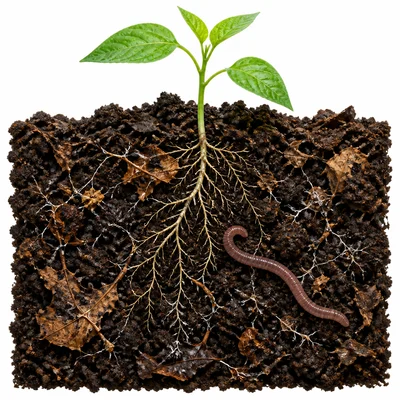
What is humus, and why is it important in soil?
- 4
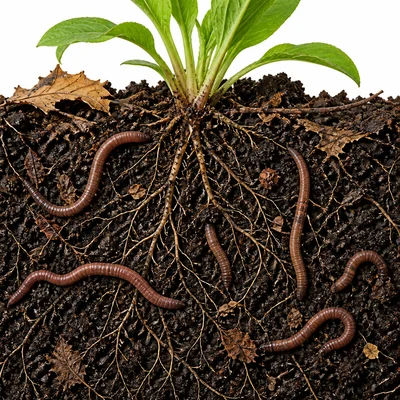
A student finds dark, crumbly soil with many roots and earthworms. Which soil layer is the student most likely observing? Explain your answer.
- 5
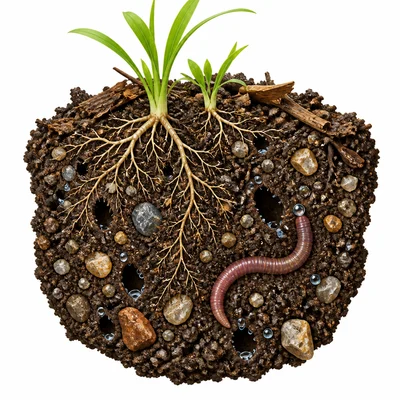
Soil is made of several parts. List four things that can be found in healthy soil.
- 6
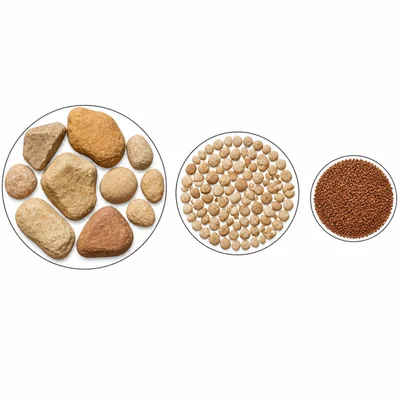
Sand, silt, and clay are soil particles. Which particle is the largest, and which particle is the smallest?
- 7
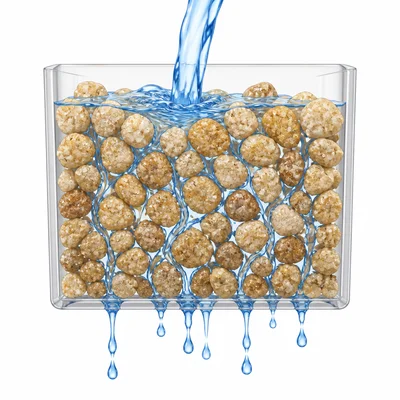
A sample of soil lets water pass through very quickly and feels gritty. Is it likely to have more sand, silt, or clay? Explain your answer.
- 8
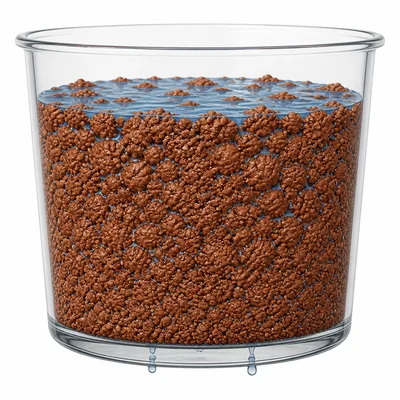
A sample of soil holds water for a long time and feels sticky when wet. Is it likely to have more sand, silt, or clay? Explain your answer.
- 9
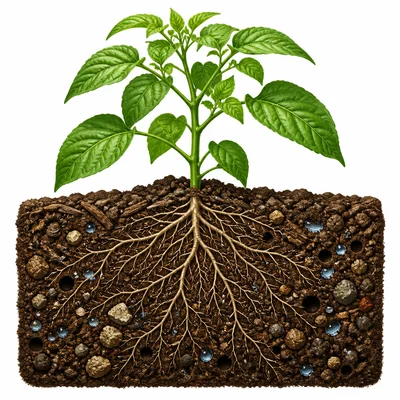
Loam is often good for growing many plants. Explain why loam is useful for plant growth.
- 10
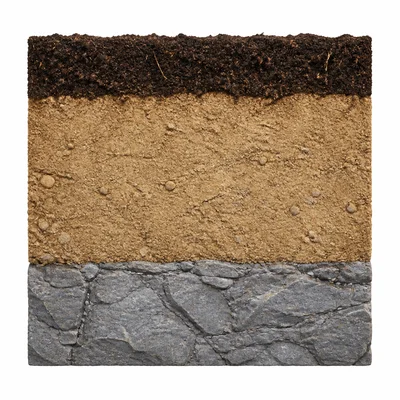
Look at this soil profile: the top layer is thin and dark, the middle layer is light brown, and the bottom layer is solid rock. Identify the middle layer.
- 11
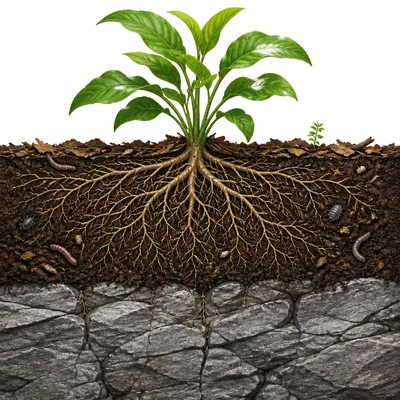
Why do many plant roots grow mostly in topsoil instead of deep in bedrock?
- 12
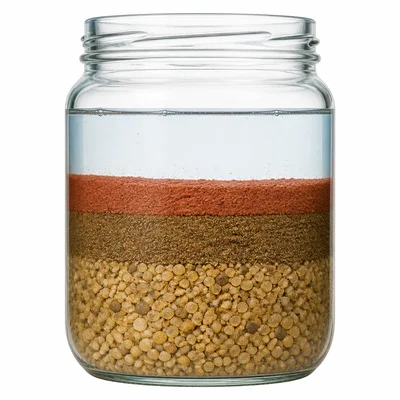
A jar test shows three layers after soil settles in water: heavy sand at the bottom, silt in the middle, and clay near the top. Why does sand settle first?
- 13
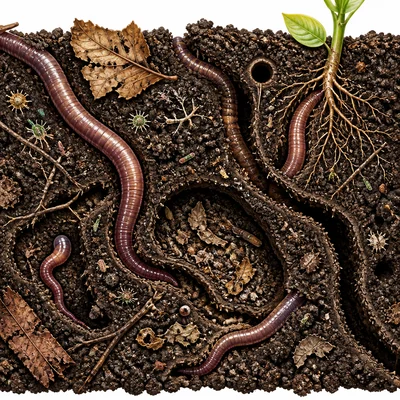
Explain how worms and tiny organisms help make soil healthier.
- 14
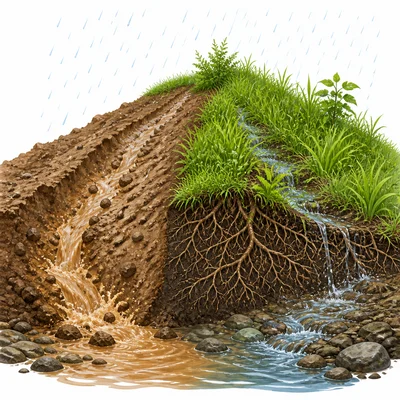
A hillside has very little plant cover. After a heavy rain, muddy water runs down the hill. What soil problem is happening, and how could plants help reduce it?
- 15
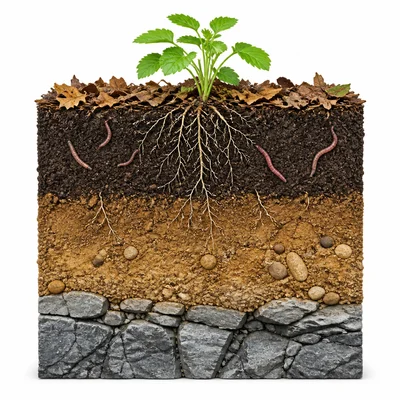
Draw or describe a healthy soil profile with at least three labeled layers. Include one detail about what is found in each layer.