Practice identifying nonfiction text features and explaining how they help readers find and understand information.
Read each problem carefully. Use complete sentences when you explain your thinking.
Using headings, captions, glossaries, and more to understand informational texts
Language Arts - Grade 2-3
- 1
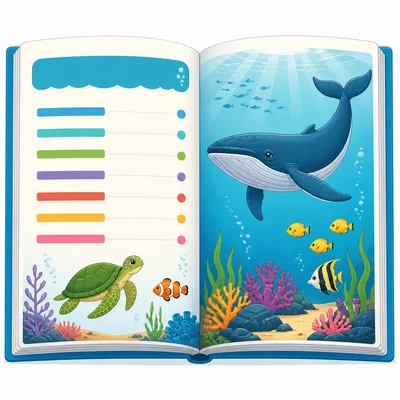
A book about ocean animals has a page at the beginning that lists chapter names and page numbers. What text feature is this, and how does it help readers?
- 2
Read the heading: How Bees Make Honey. What do you think the section will mostly be about?
- 3
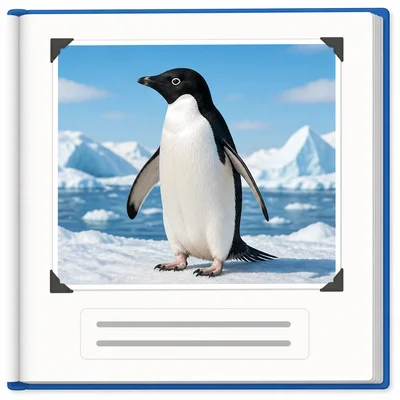
A photograph shows a penguin standing on ice. Under the photograph, the words say, Penguins have thick feathers that help keep them warm. What is the text feature under the photograph called?
- 4
In a book about plants, the word roots is printed in bold. Why might an author make a word bold?
- 5
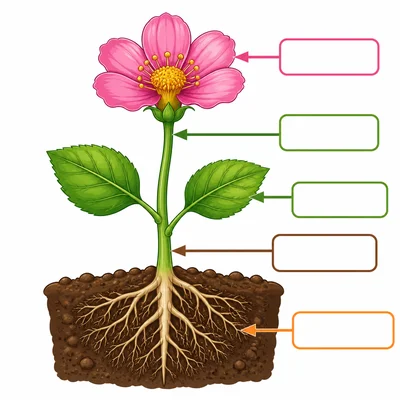
A diagram of a flower has arrows pointing to the stem, leaves, petals, and roots. What text feature is being used, and how does it help?
- 6

A book has a list at the back that says: habitat, a place where an animal lives. What text feature is this?
- 7
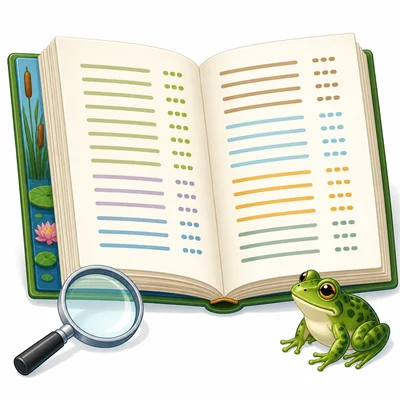
You want to find every page in a book that talks about frogs. At the back of the book, you see a list of words with page numbers. What text feature should you use?
- 8
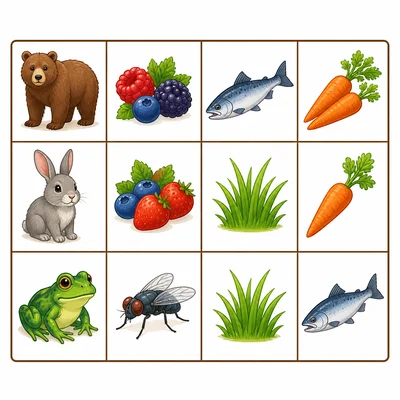
Look at this chart title: What Three Animals Eat. The chart lists bears, rabbits, and frogs with their foods. How does a chart help a reader?
- 9
A page about weather has the subheading Types of Clouds under the main heading Weather in the Sky. What does a subheading do?
- 10
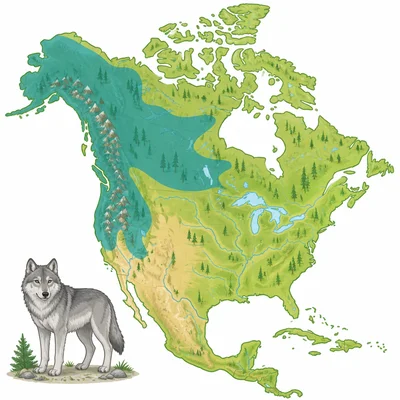
A map in a nonfiction book shows where gray wolves live in North America. How can the map help readers?
- 11
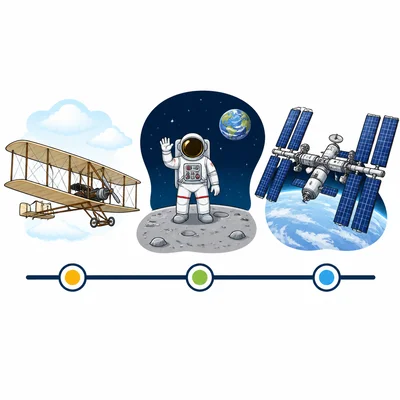
A timeline shows these events: 1903, first airplane flight; 1969, first moon landing; 2000, people live on the space station. What does a timeline help readers understand?
- 12
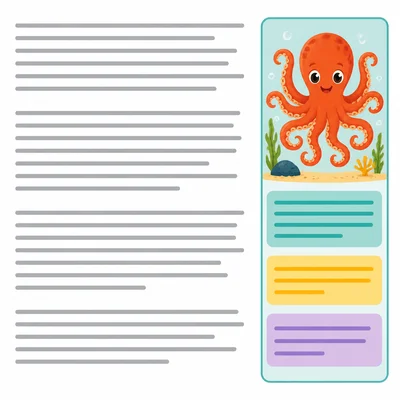
A small box on the side of a page says, Fun Fact: An octopus has three hearts. What is this kind of text feature often called?
- 13
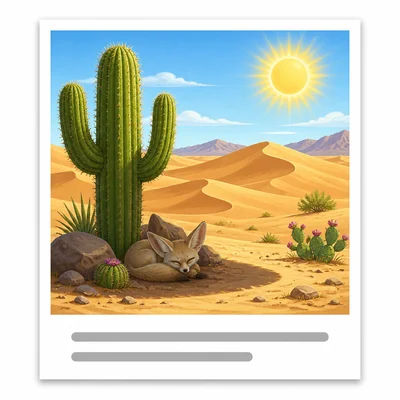
Read this sentence from a nonfiction text: The desert is very dry, and many animals sleep during the day to stay cool. Which text feature would best show a picture of this idea: a captioned photograph, an index, or a glossary?
- 14
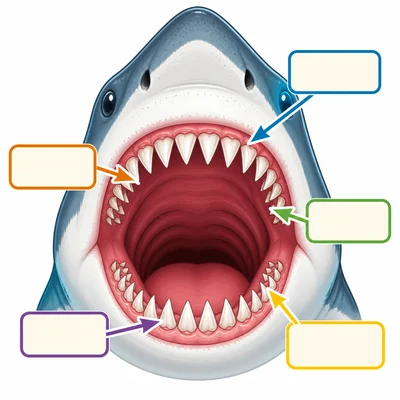
You are reading a page about sharks. The page has a close-up picture of shark teeth with labels. What can the labels help you learn?
- 15
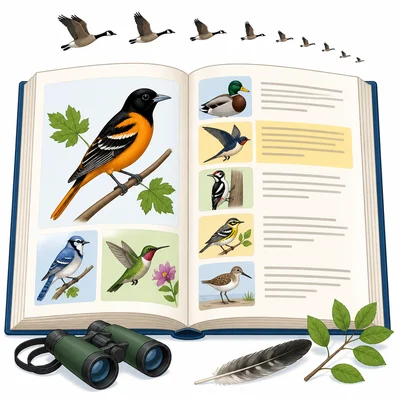
Choose the best text feature for this job: You need to find the meaning of the word migrate in a book about birds. Explain your choice.