Practice identifying biomes and ecosystems, describing abiotic and biotic factors, and explaining how organisms interact with their environments.
Read each problem carefully. Answer in complete sentences and use science vocabulary when you can.
Exploring major biomes, ecosystems, and how organisms interact
Biology - Grade 6-8
- 1
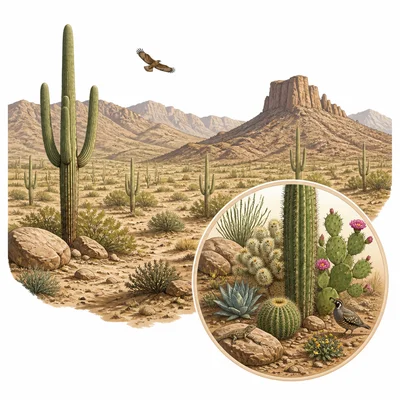
Explain the difference between a biome and an ecosystem.
- 2
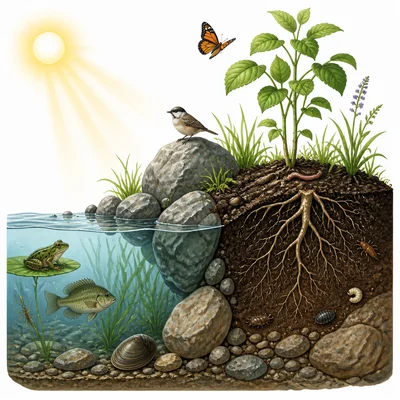
Name two abiotic factors in an ecosystem and explain how each one can affect living things.
- 3
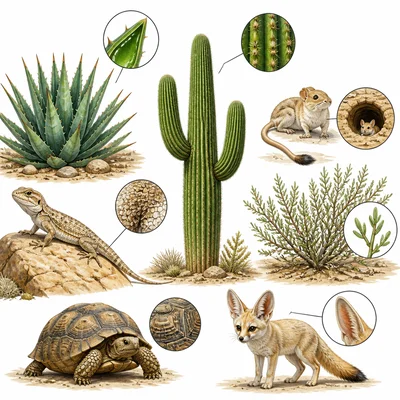
A region has very low rainfall, hot days, cool nights, and plants that store water. Which biome is this, and what are two adaptations that help organisms survive there?
- 4
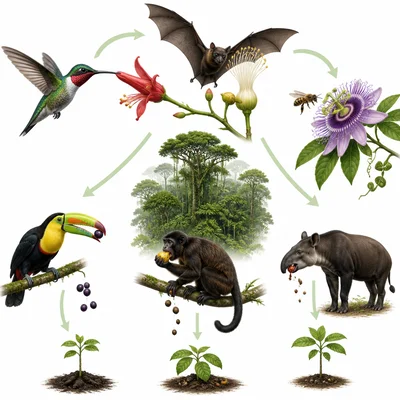
Describe one way plants and animals in a tropical rainforest depend on each other.
- 5
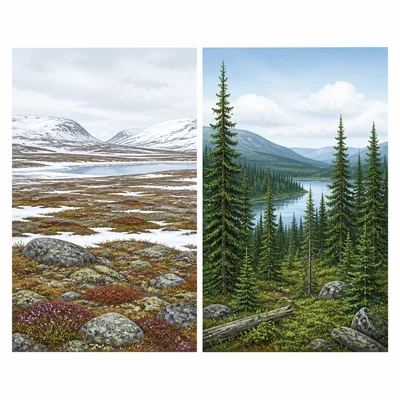
Compare the tundra and the taiga by describing one similarity and one difference.
- 6
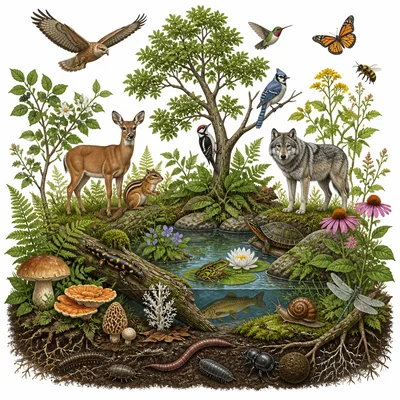
What is biodiversity, and why is it important in an ecosystem?
- 7
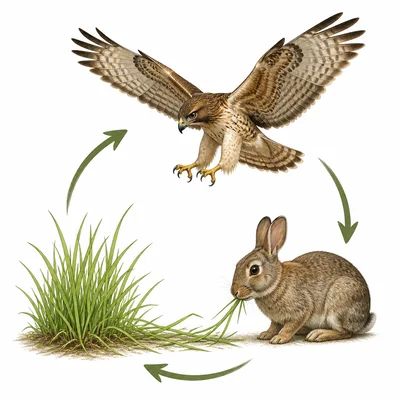
In a grassland ecosystem, grass is eaten by rabbits, and rabbits are eaten by hawks. Identify the producer, the primary consumer, and the secondary consumer.
- 8
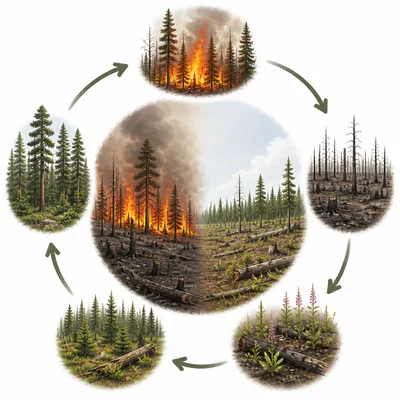
How can a forest fire change an ecosystem in both harmful and helpful ways?
- 9
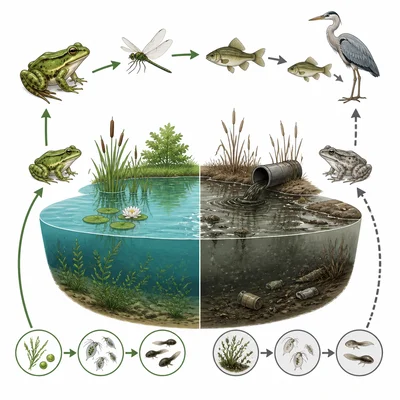
An ecosystem loses many of its frogs after pollution enters a pond. Predict one effect this might have on the food web.
- 10
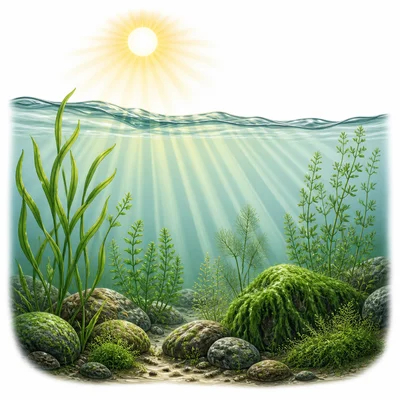
Why do aquatic ecosystems depend on sunlight even though some organisms live underwater?
- 11
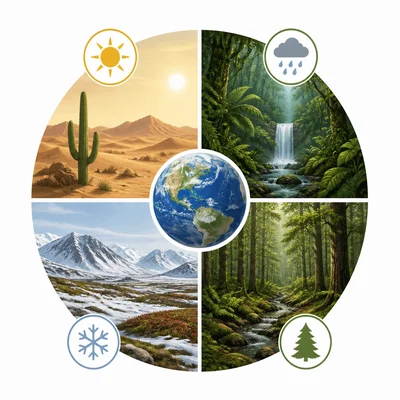
Describe how climate helps determine which biome is found in a region.
- 12
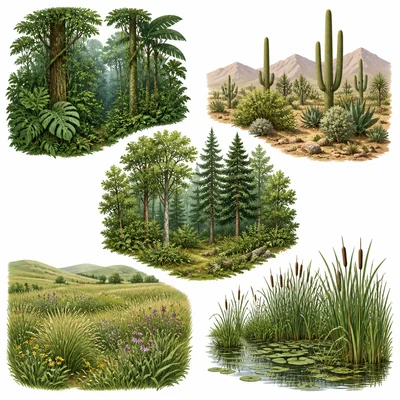
A student says that all ecosystems with lots of plants are the same. Explain why this statement is incorrect.