Practice identifying ionic and covalent bonds, explaining how they form, and predicting properties of compounds.
Read each problem carefully. Answer in complete sentences and show your reasoning when needed.
Comparing how atoms bond and form compounds
Chemistry - Grade 9-12
- 1
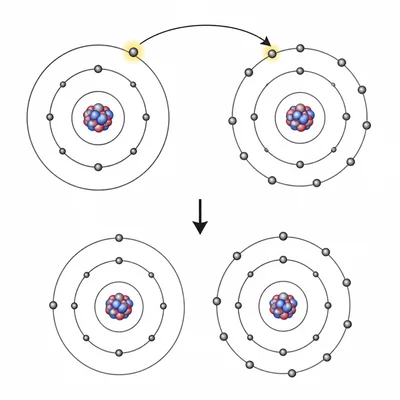
Explain how an ionic bond forms between atoms.
- 2
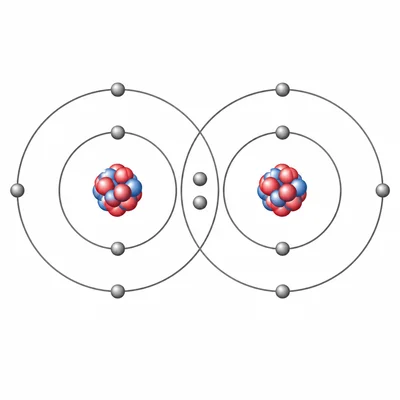
Explain how a covalent bond forms between atoms.
- 3
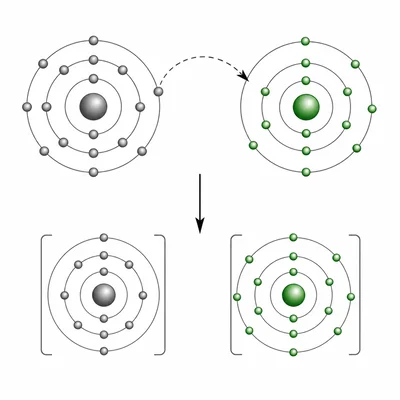
Classify the bond in sodium chloride, NaCl, as ionic or covalent and explain your choice.
- 4
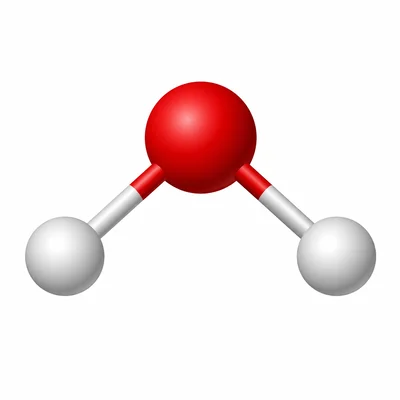
Classify the bond in water, H2O, as ionic or covalent and explain your choice.
- 5
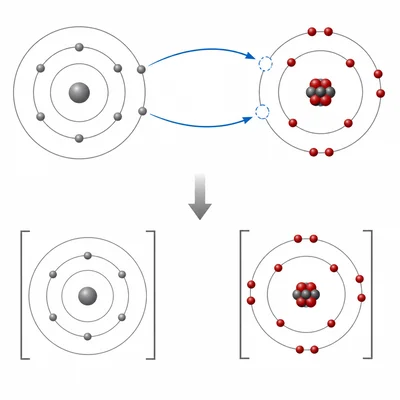
Magnesium reacts with oxygen to form magnesium oxide, MgO. Describe what happens to the electrons during bond formation.
- 6
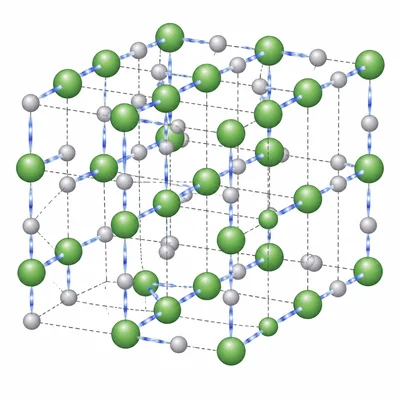
Why do ionic compounds usually have high melting points?
- 7
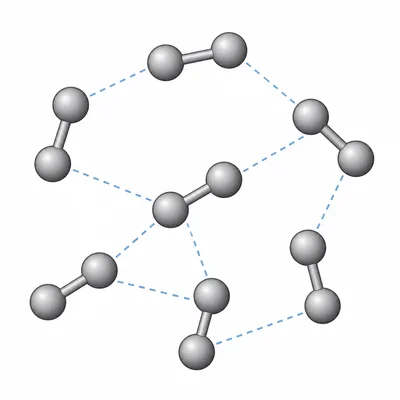
Why do many covalent compounds have lower melting and boiling points than ionic compounds?
- 8
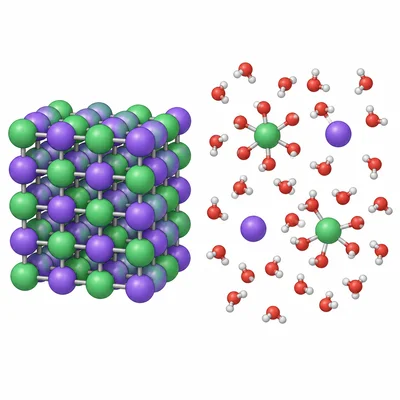
A compound conducts electricity when dissolved in water but not as a solid. Is it more likely ionic or covalent? Explain.
- 9
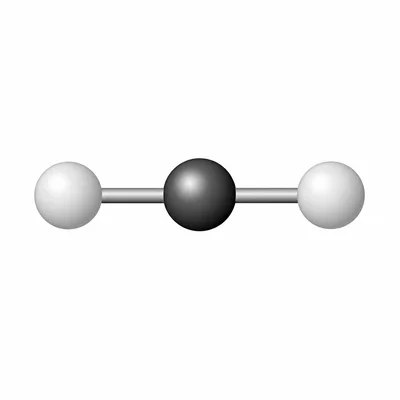
Carbon dioxide, CO2, is made of carbon and oxygen. Is this compound ionic or covalent? Explain how you know.
- 10
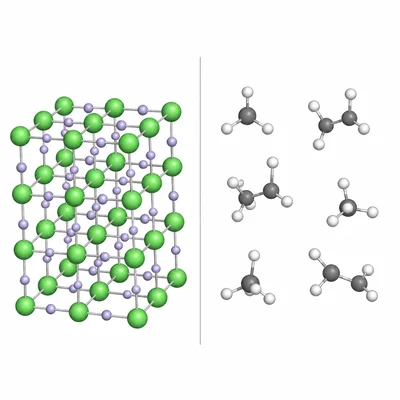
Compare the structure of an ionic compound with the structure of a molecular covalent compound.
- 11
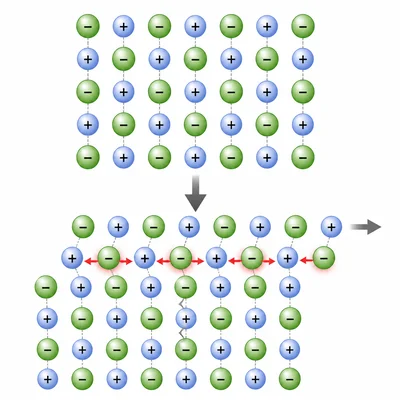
Predict whether potassium bromide, KBr, is likely to be brittle or flexible as a solid. Explain your answer.
- 12
Write one major difference and one similarity between ionic and covalent bonding.