Practice explaining day and night, observing how shadows change, and using shadow clues to tell about the Sun's position.
Read each problem carefully. Write complete answers and use science words when you can.
Exploring how Earth, the Sun, and shadows change during the day
Science - Grade 2-3
- 1
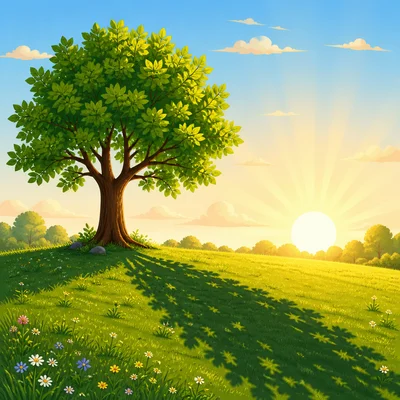
In the morning, the Sun looks low in the sky. What can happen to the shadow of a tree when the Sun is low?
- 2
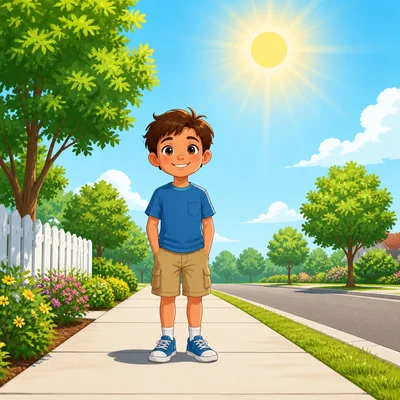
At noon, the Sun is usually higher in the sky than it is in the morning. How is a person's shadow usually different at noon?
- 3
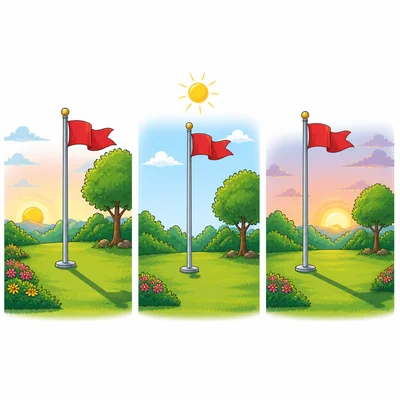
A student checks a flagpole shadow at 9:00 a.m., 12:00 p.m., and 3:00 p.m. The shadow is longest at 9:00 a.m. and 3:00 p.m. and shortest at 12:00 p.m. What does this show about the Sun's position during the day?
- 4
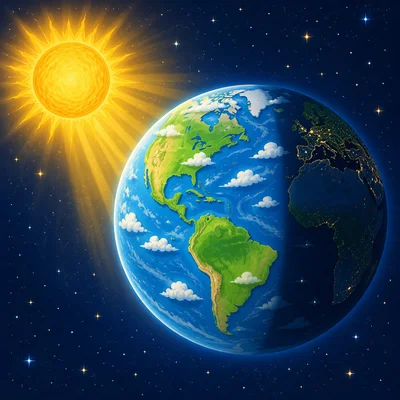
Why do we have daytime on the side of Earth facing the Sun?
- 5
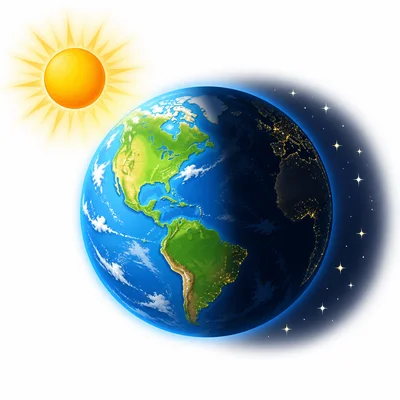
Why do we have nighttime on the side of Earth facing away from the Sun?
- 6
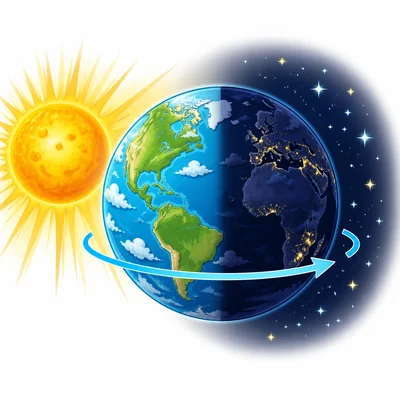
Earth spins, or rotates, once each day. How does Earth's rotation help explain day and night?
- 7
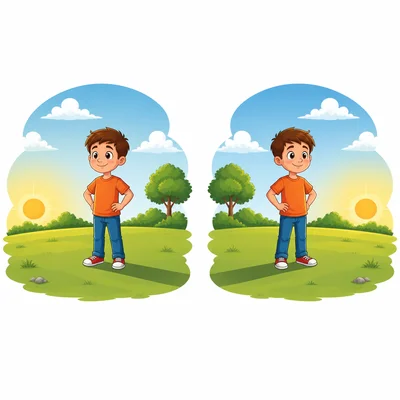
Mia notices that her shadow points one way in the morning and a different way in the afternoon. Why does the shadow's direction change?
- 8
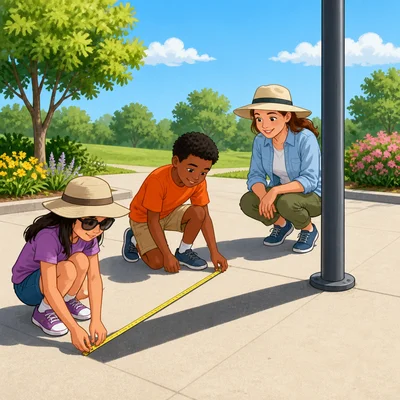
A class wants to measure a shadow safely outside. Name one tool they could use and one safety rule they should follow.
- 9
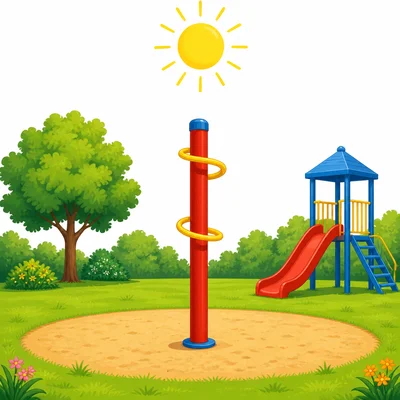
Look at a playground pole at three times of day. Which shadow would most likely belong to noon: the longest shadow, the medium shadow, or the shortest shadow? Explain your answer.
- 10
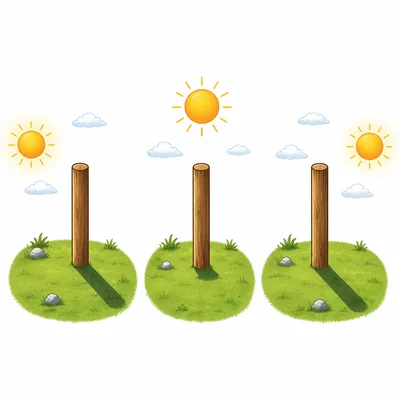
Complete the pattern: morning shadow is long, noon shadow is short, afternoon shadow is usually ______. Explain your answer.
- 11
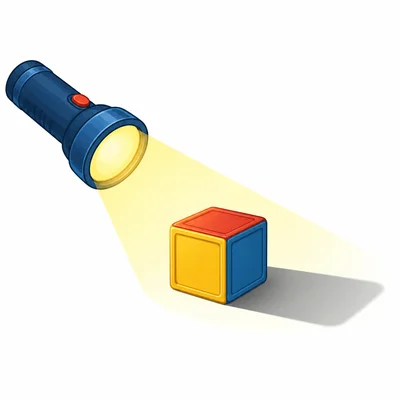
A flashlight shines on a toy block from the left side. Where will the block's shadow form?
- 12
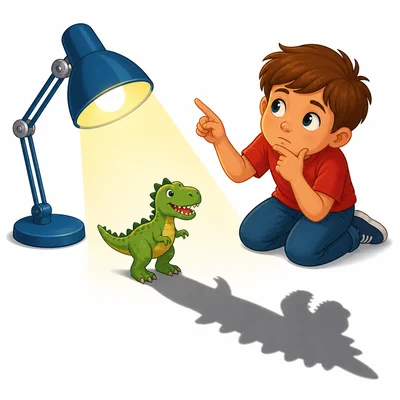
Explain why a shadow can help you learn where the light is coming from.
- 13
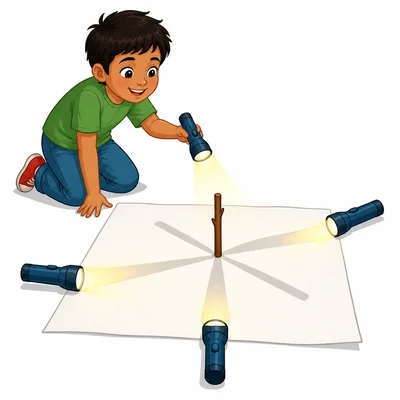
Draw or describe an investigation to show how a shadow changes when the Sun's position changes. Include what you would observe.