Practice analyzing ecological relationships, biodiversity, energy flow, and factors that affect the stability of ecosystems.
Read each problem carefully. Answer in complete sentences and show your reasoning when needed.
Exploring ecosystems, species interactions, and the value of biodiversity
Biology - Grade 9-12
- 1
Define biodiversity in your own words and name its three main levels.
- 2
Explain the difference between a habitat and a niche.
- 3
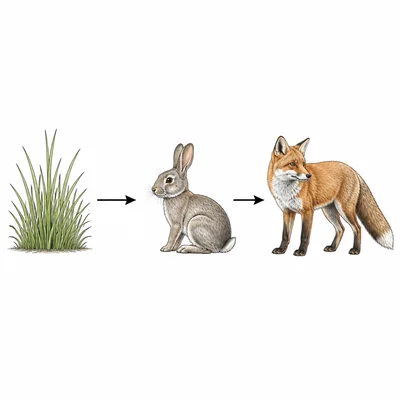
A food chain is grass -> rabbit -> fox. Identify the producer, the primary consumer, and the secondary consumer.
- 4
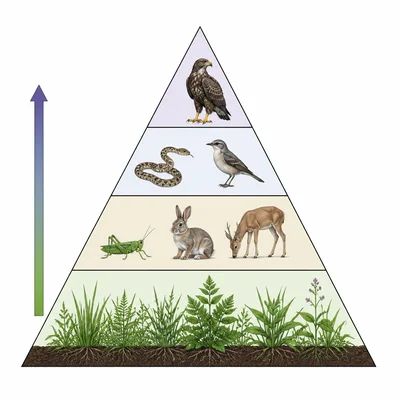
Describe how energy flows through an ecosystem and explain why most food chains have only a few levels.
- 5
Compare mutualism, commensalism, and parasitism. Give one example of each.
- 6
What is an invasive species, and how can it affect biodiversity in an ecosystem?
- 7
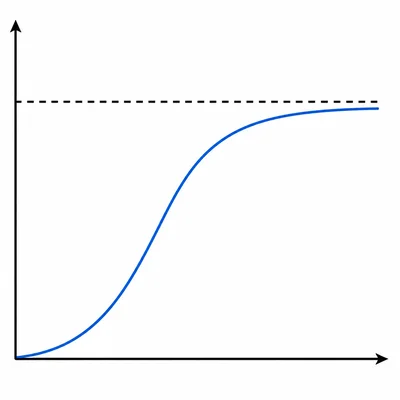
A population of deer in a forest grows quickly for several years and then levels off. What is carrying capacity, and why might the population stop increasing?
- 8
Explain the difference between density-dependent and density-independent limiting factors. Give one example of each.
- 9
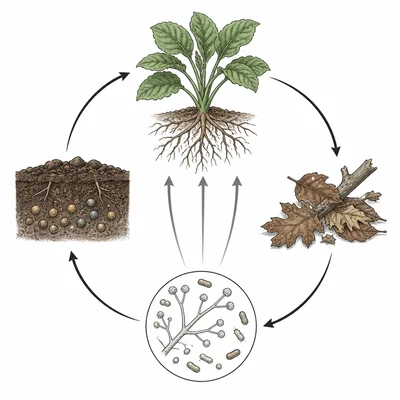
Why are decomposers important in ecosystems?
- 10
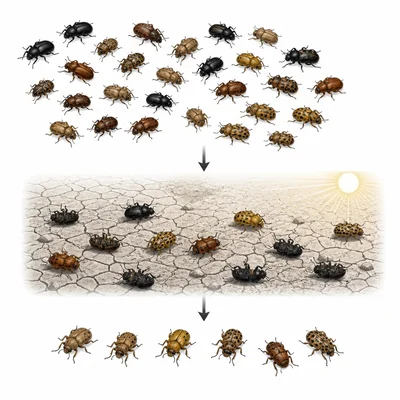
Describe one way that high genetic diversity can help a population survive environmental change.
- 11
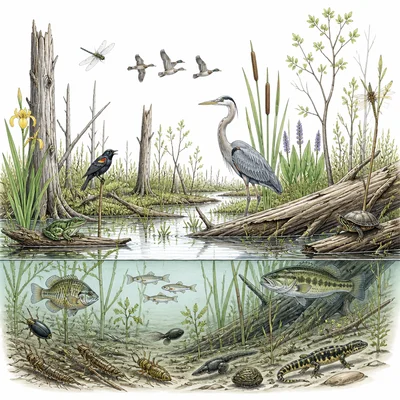
A biologist finds that a wetland with many plant, insect, bird, and fish species recovers quickly after a storm. Explain how biodiversity can increase ecosystem stability.
- 12
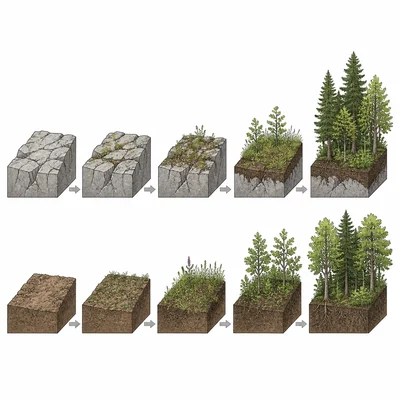
What is the difference between primary succession and secondary succession?
- 13
Explain how human activities such as deforestation or pollution can reduce biodiversity.
- 14
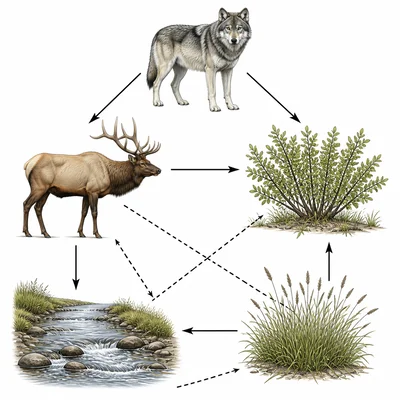
A scientist is studying wolves, elk, grasses, and streams in one region. Why is this an example of studying an ecosystem instead of just a population?
- 15
Choose one conservation strategy, such as habitat restoration, wildlife corridors, captive breeding, or protected areas, and explain how it can help preserve biodiversity.