Practice applying engineering ethics to scientific projects by analyzing risks, evidence, stakeholder impacts, data honesty, and responsible design choices.
Read each scenario carefully. Answer in complete sentences and support your reasoning with evidence from the situation.
Evaluating safety, honesty, fairness, and responsibility in engineering decisions
Science - Grade 9-12
- 1
A student engineering team designs a low-cost water filter for a community science fair. During testing, the filter removes visible dirt but does not reliably remove bacteria. The team wants to present it as safe for drinking water because it looks clean. What ethical issue is present, and what should the team do before presenting the design?
- 2
Explain why public safety is usually considered the top priority in engineering ethics.
- 3
A team collecting data for a bridge model test finds that one trial failed badly, but the other four trials were successful. A teammate suggests deleting the failed trial so the results look better. Is this ethical? Explain your answer.
- 4
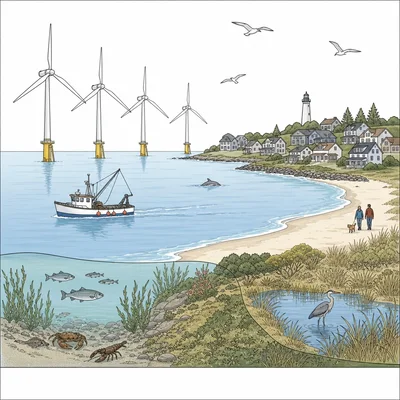
List three groups of stakeholders who might be affected by the construction of a new wind farm near a coastal town. For each group, name one possible concern.
- 5
A company develops a medical device using a small test group that does not include elderly patients, even though elderly patients are likely to use it. What ethical concern does this raise?
- 6
Define informed consent in the context of a scientific or engineering project involving human participants.
- 7
A school robotics team uses an open-source design from the internet but removes the original creator's name from the documentation. What ethical problem does this create, and how can the team fix it?
- 8
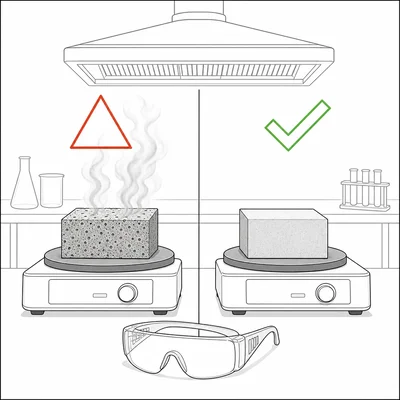
An engineering team must choose between two materials for a science project prototype. Material A is cheaper but releases toxic fumes when heated. Material B costs more but is safer under testing conditions. Which material should the team choose, and what factors should they explain in their decision?
- 9
A group designs an app that collects location data to support a research project on student transportation patterns. What privacy protections should the group include?
- 10
Describe the difference between a design constraint and an ethical responsibility. Give one example of each from an engineering project.
- 11
A researcher is paid by a battery company to test battery life. The researcher does not mention the funding source in the final report. Why could this be a conflict of interest?
- 12
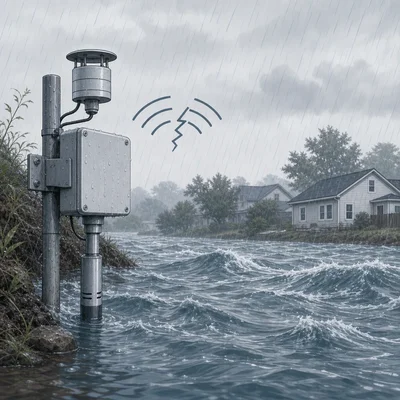
A team creates a flood warning sensor for a neighborhood. The sensor sometimes fails during heavy rain, which is exactly when it is most needed. What should the team communicate to users while they work on improvements?
- 13
Explain how environmental responsibility can be part of engineering ethics, even when a project is technically successful.
- 14
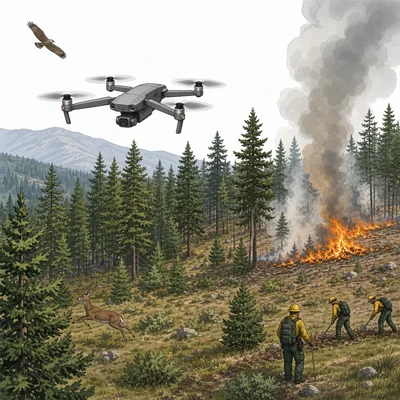
A team is testing a drone for wildfire monitoring. They can improve image quality by flying lower, but lower flights may disturb wildlife and could create a safety risk near firefighters. Propose an ethical decision-making process for the team.
- 15
Write a short ethics statement for a high school engineering project. It should include at least four commitments the team will follow.