Learn how neurons send signals, how parts of the brain communicate, and how the nervous system helps the body respond to the world.
Read each problem carefully. Write complete answers and use science vocabulary when you can.
Exploring neurons, synapses, and messages in the nervous system
Psychology - Grade 6-8
- 1
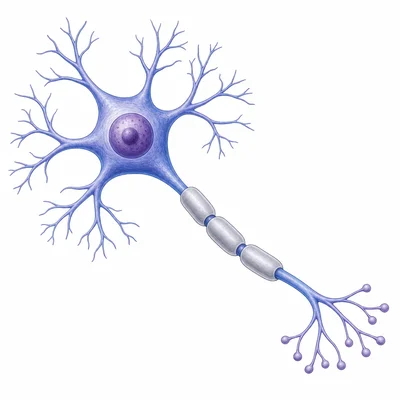
What is a neuron, and why is it important for the nervous system?
- 2
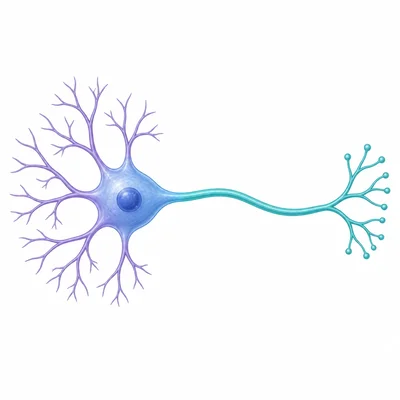
Name the three main parts of a neuron: dendrites, cell body, and axon. Describe the job of each part.
- 3
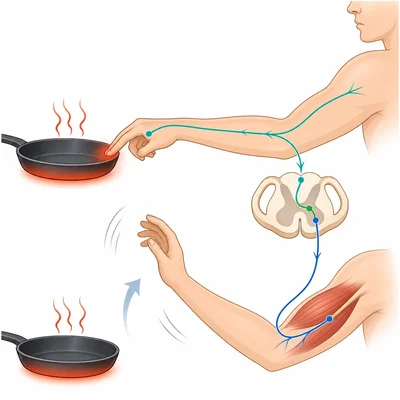
A student touches a hot pan and quickly pulls their hand away. Explain how neurons help this reaction happen.
- 4
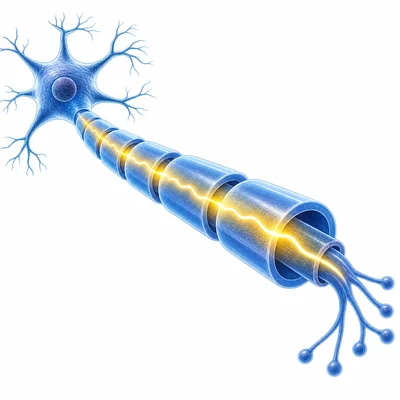
What is an electrical impulse in a neuron?
- 5
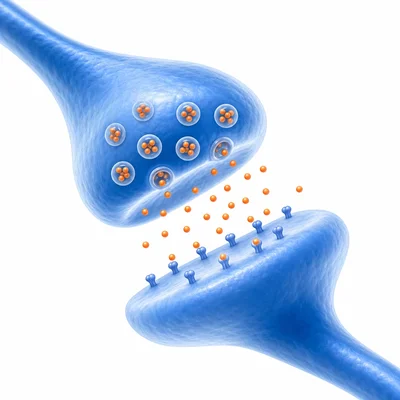
What is a synapse, and what happens there?
- 6
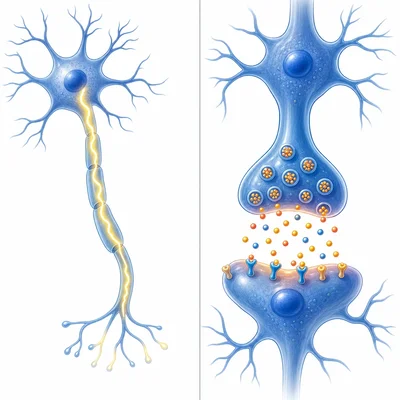
Explain the difference between an electrical signal and a chemical signal in neuron communication.
- 7
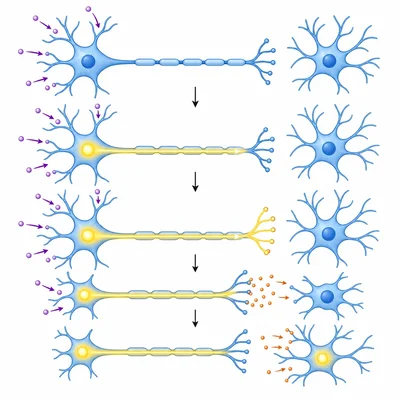
Put these steps in the correct order: neurotransmitters cross the synapse, dendrites receive the message, an electrical signal travels down the axon, neurotransmitters are released from the axon terminal.
- 8
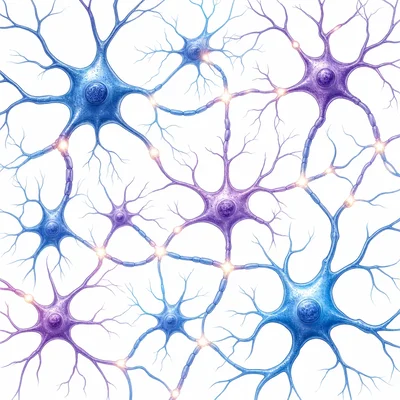
Why does the brain need many neurons working together instead of just one neuron doing everything?
- 9
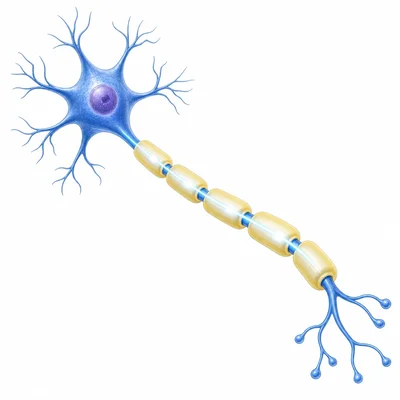
A diagram shows a neuron with a long axon covered by myelin. What is the job of myelin?
- 10
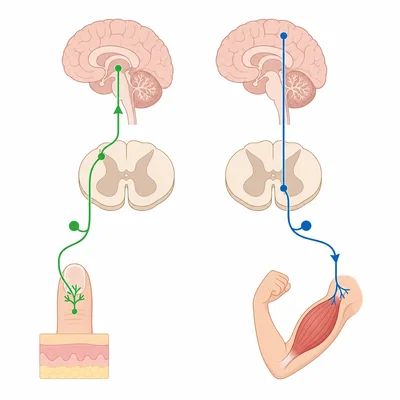
How are sensory neurons and motor neurons different?
- 11
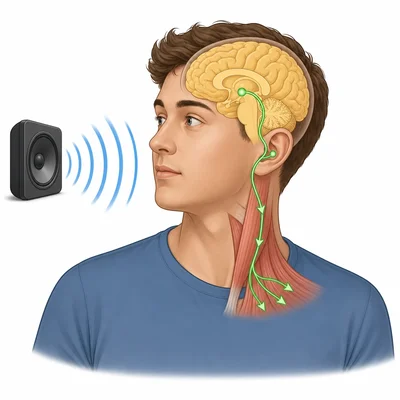
Imagine a person hears their name called, turns their head, and looks toward the sound. Describe a simple path of signals in the nervous system for this action.
- 12
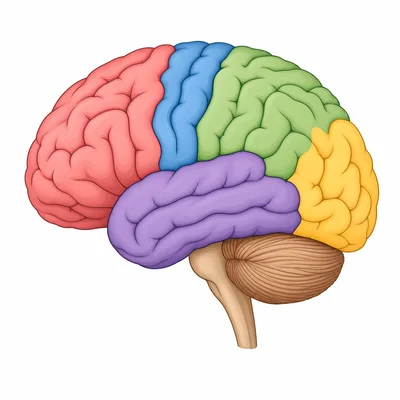
Look at a simple brain diagram with areas labeled for movement, touch, vision, hearing, and thinking. Explain why different brain areas may be active during different activities.