Practice identifying materials, describing their properties, and choosing the best material for different jobs.
Read each problem carefully. Use science words like hard, soft, flexible, waterproof, transparent, and absorbent. Show your thinking in the space provided.
Observing, comparing, and choosing materials
Science - Grade 2-3
- 1
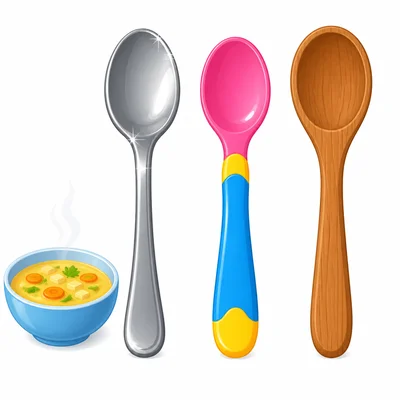
A spoon can be made from metal, plastic, or wood. Name one property that makes metal a good material for a spoon.
- 2
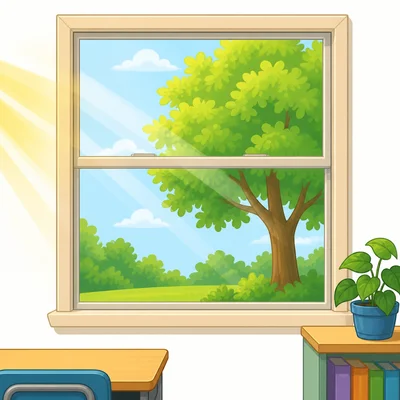
Look at a classroom window. What material is it usually made from, and what property makes that material useful for a window?
- 3
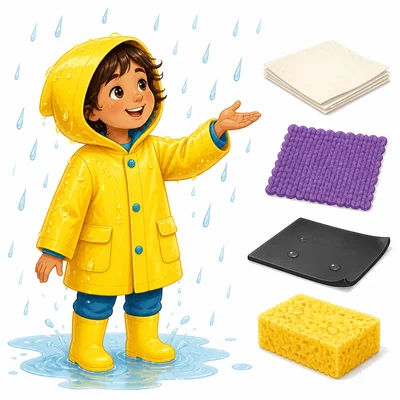
Circle the material that would be best for making a raincoat: paper, wool, rubber, or sponge. Explain your choice.
- 4
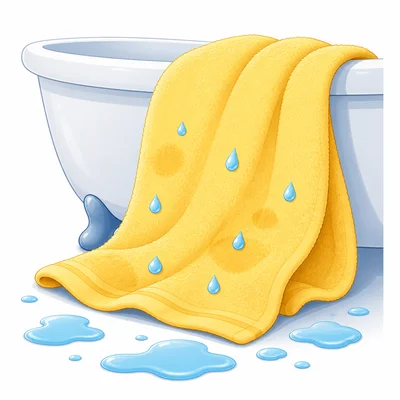
A towel is made from cloth. What property of cloth makes it useful after a bath or shower?
- 5
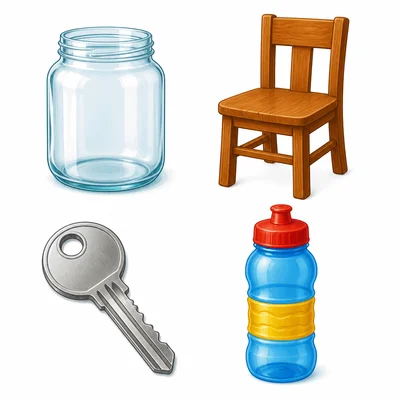
Sort these objects by the material they are mostly made from: glass jar, wooden chair, metal key, plastic bottle. Write each object with its material.
- 6
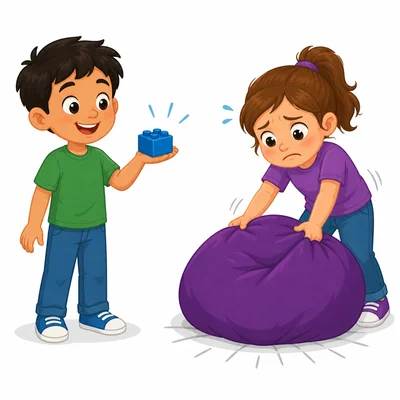
A student says, 'All hard materials are heavy.' Do you agree or disagree? Give an example.
- 7
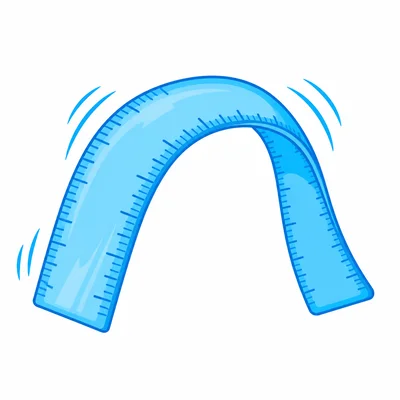
Which property describes something that can bend without breaking: magnetic, flexible, transparent, or rough? Use the word in a sentence.
- 8
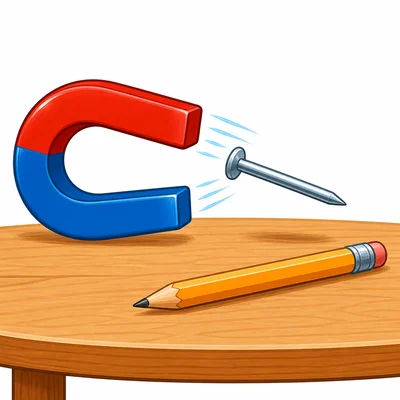
A magnet sticks to an iron nail but not to a wooden pencil. What property does the iron nail have?
- 9
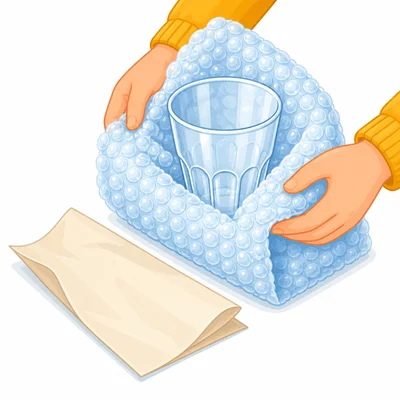
You need to pack a fragile glass cup. Would bubble wrap or a thin sheet of paper protect it better? Explain why.
- 10
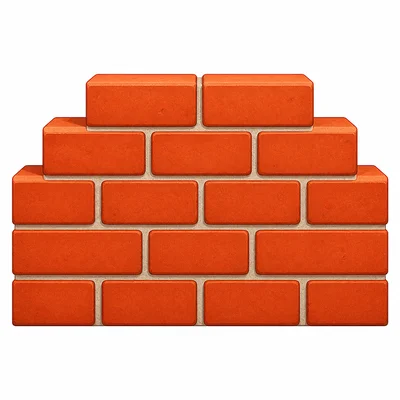
Name two properties of a brick that make it useful for building walls.
- 11
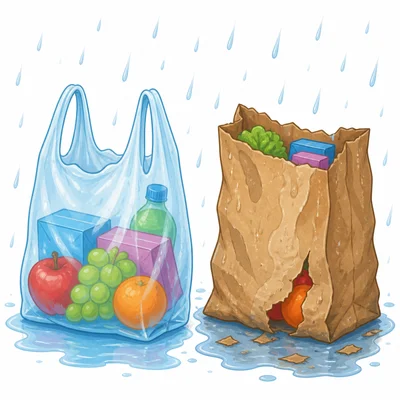
A plastic bag and a paper bag can both carry things. Which one is more likely to stay strong if it gets wet? Explain your answer.
- 12
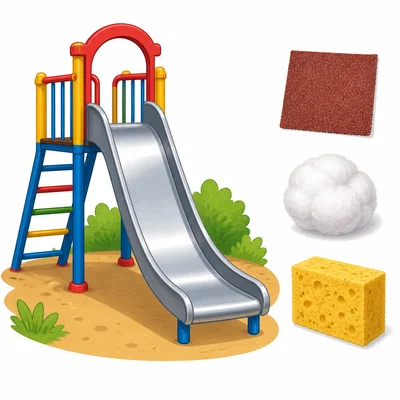
Choose the best material for a playground slide: sandpaper, metal, cotton, or sponge. Explain which property makes it a good choice.
- 13
Think of an object at home that is made from more than one material. Name the object, name two materials in it, and explain why each material is useful.