Practice identifying the structures, inputs, outputs, and roles of the light reactions and the Calvin cycle in photosynthesis.
Read each problem carefully. Answer in complete sentences and show your reasoning when needed.
Tracing energy and matter through the two main stages of photosynthesis
Biology - Grade 9-12
- 1
State the main purpose of the light reactions in photosynthesis.
- 2
Identify the main purpose of the Calvin cycle.
- 3
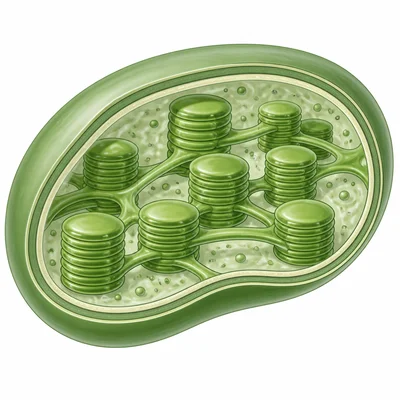
In which part of the chloroplast do the light reactions occur, and in which part does the Calvin cycle occur?
- 4
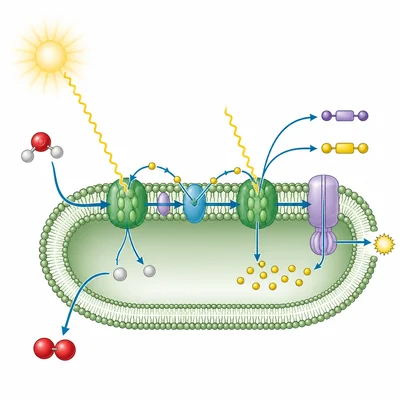
Write the reactants and products of the light reactions.
- 5
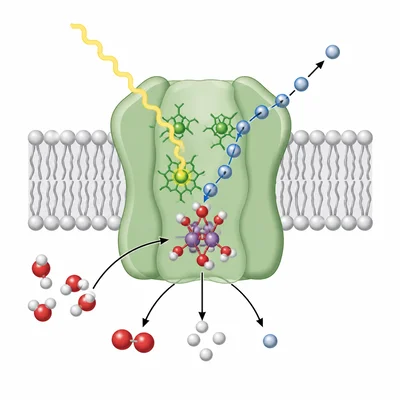
Explain why water is split during the light reactions.
- 6
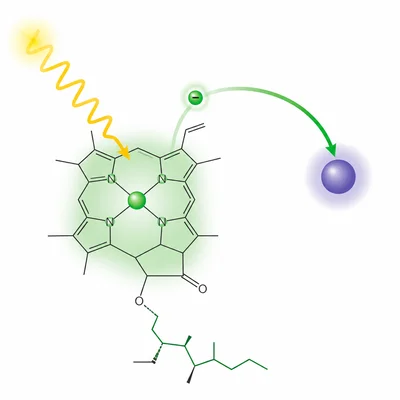
What is the role of chlorophyll in the light reactions?
- 7
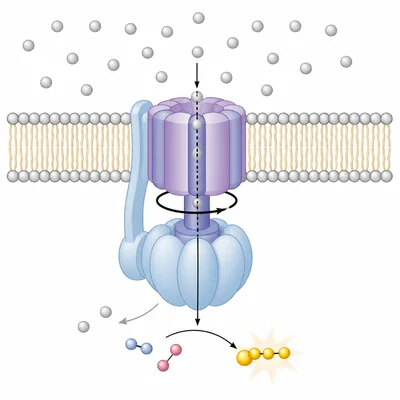
Describe how ATP is formed during the light reactions.
- 8
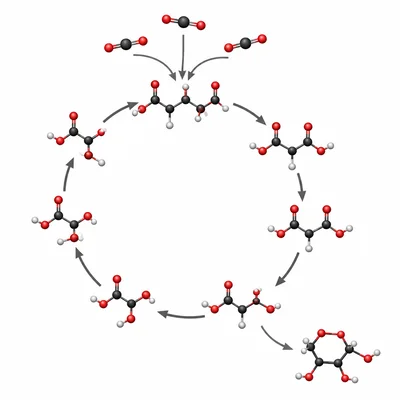
What molecule provides the carbon atoms used to build sugars in the Calvin cycle, and how does it enter the cycle?
- 9
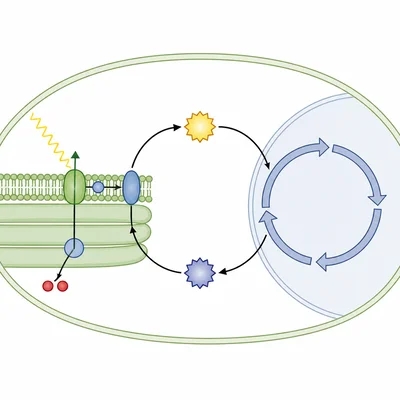
Name the two energy-rich molecules made in the light reactions that are used in the Calvin cycle, and describe what they provide.
- 10
A plant is placed in bright light but has no available carbon dioxide. Predict what will happen to the Calvin cycle and explain why.
- 11
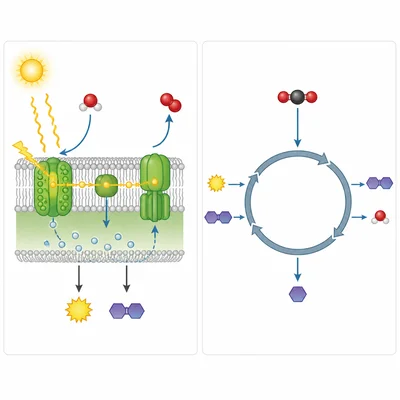
Compare the light reactions and the Calvin cycle by giving one major difference in their inputs and one major difference in their outputs.
- 12
A student says, "Plants get all their energy directly from glucose, so light is only needed at the end of photosynthesis." Explain what is incorrect about this statement.