Practice understanding how democracy developed in Ancient Greece and how Greek philosophers shaped ideas about knowledge, ethics, and government.
Read each problem carefully. Answer in complete sentences and use evidence from what you know about Ancient Greece.
Exploring citizen government and the ideas of Greek thinkers
Social Studies - Grade 6-8
- 1
What is democracy, and why is Ancient Athens often called one of the earliest democracies?
- 2
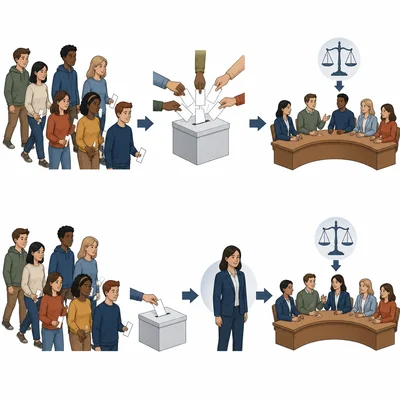
Explain the difference between direct democracy and representative democracy.
- 3
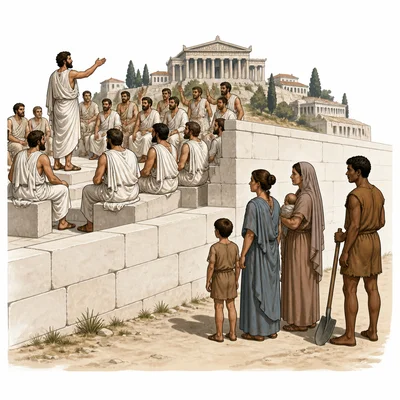
Who was allowed to participate in Athenian democracy, and who was excluded?
- 4
Why does the limited participation in Athenian democracy matter when studying its history?
- 5
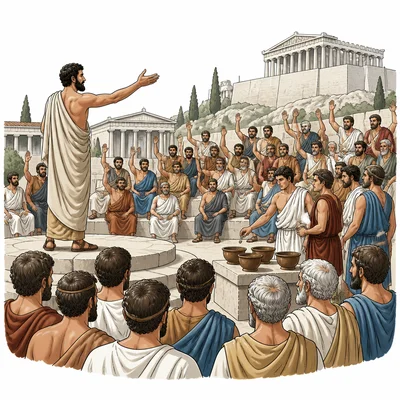
What was the Assembly in Athens, and what role did it play in government?
- 6
A student says, "Athens invented modern democracy exactly as we use it today." Explain whether this statement is correct.
- 7
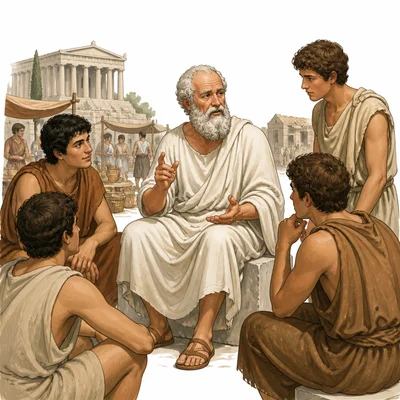
Who was Socrates, and what method of teaching is he known for?
- 8
How did Plato build on the ideas of Socrates?
- 9
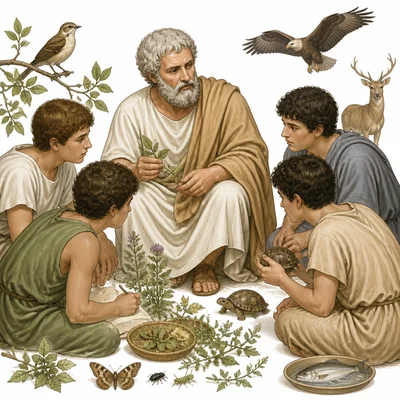
What is Aristotle known for, and how were his interests different from Plato's?
- 10
How did Greek philosophy influence later societies?
- 11
Why might philosophy and democracy have developed strongly in some Greek city-states?
- 12
Write two or three sentences explaining one important connection between Ancient Greek democracy and Greek philosophy.