Explore the geography, cities, achievements, trade networks, and political changes of ancient India, with a focus on the Indus Valley Civilization and the Maurya Empire.
Read each problem carefully. Use evidence from what you have learned about ancient India. Write complete sentences when an explanation is requested.
Cities, trade, government, and lasting ideas in early South Asia
Social Studies - Grade 6-8
- 1
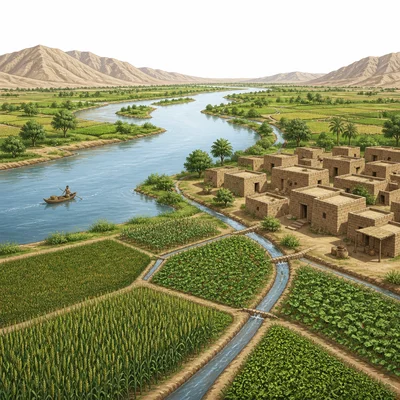
The Indus Valley Civilization developed near the Indus River and its tributaries. Explain two ways that living near rivers helped early civilizations grow.
- 2
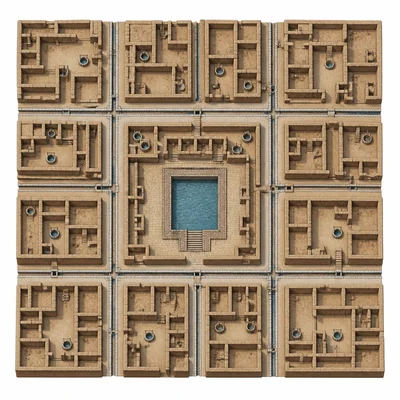
Harappa and Mohenjo-daro were major cities of the Indus Valley Civilization. Describe two features that show these cities were carefully planned.
- 3
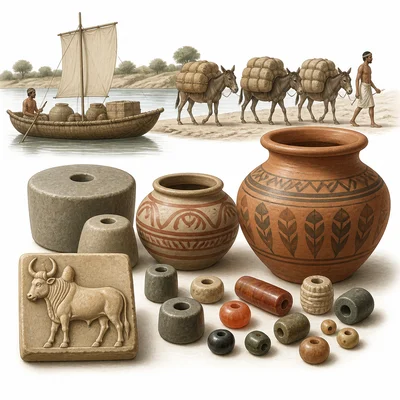
Archaeologists have found seals, weights, and evidence of long-distance trade in Indus Valley sites. What do these artifacts suggest about the Indus economy?
- 4
The writing system of the Indus Valley Civilization has not been fully deciphered. Explain why this makes it difficult for historians to understand Indus society.
- 5
Compare the Indus Valley Civilization with another ancient river civilization, such as Egypt or Mesopotamia. Name one similarity and one difference.
- 6
Some Indus cities had large public structures and water systems but little clear evidence of palaces or giant royal tombs. What might this suggest about Indus political or social organization?
- 7
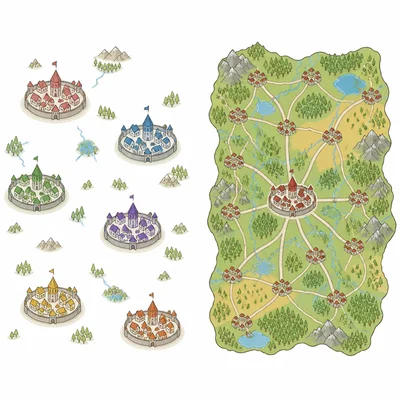
The Maurya Empire arose many centuries after the Indus Valley Civilization. Identify one major difference between a civilization made of city-states or cities and a large empire like the Maurya Empire.
- 8
Chandragupta Maurya founded the Maurya Empire. Explain why a strong army and organized administration would have been important for ruling such a large empire.
- 9
The Maurya Empire included many different regions, languages, customs, and religious traditions. What challenge would this diversity create for rulers?
- 10
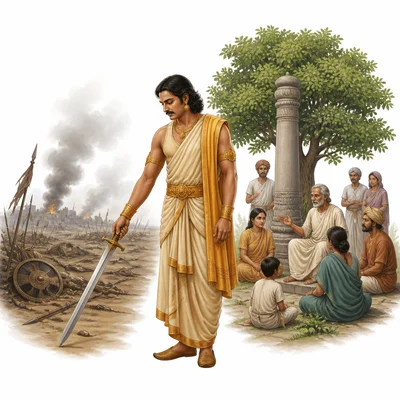
Ashoka became one of the most famous Maurya rulers after the Kalinga War. How did the Kalinga War change Ashoka's approach to ruling?
- 11
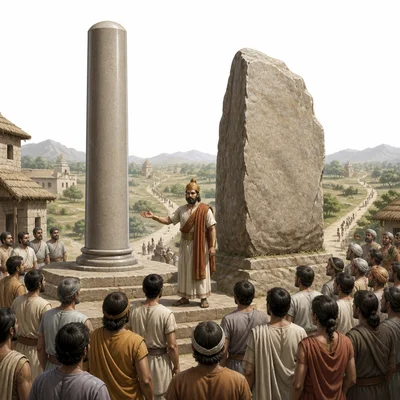
Ashoka's edicts were carved on pillars and rocks across the empire. Explain how these edicts helped Ashoka communicate with his people.
- 12
Define the term religious tolerance in the context of Ashoka's rule.
- 13
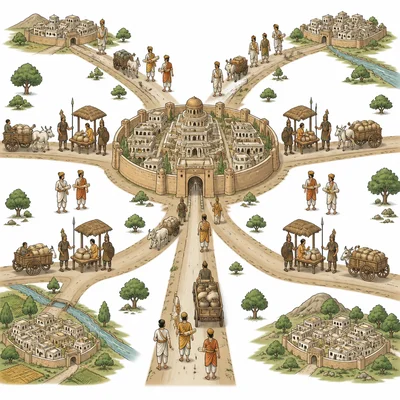
The Maurya Empire had officials, roads, tax systems, and a capital city at Pataliputra. Choose two of these features and explain how they helped the empire function.
- 14
Look at the timeline events: Indus Valley cities flourish, Indus Valley Civilization declines, Chandragupta founds the Maurya Empire, Ashoka rules the Maurya Empire. Put these events in the correct chronological order.
- 15
Write a short paragraph explaining one lasting contribution of the Indus Valley Civilization and one lasting contribution of the Maurya Empire.