Learn about the Atlantic slave trade by examining historical context, trade routes, human impact, resistance, and abolition.
Read each problem carefully. Use complete sentences and include evidence or examples when asked.
Understanding causes, routes, resistance, and lasting effects
Social Studies - Grade 6-8
- 1
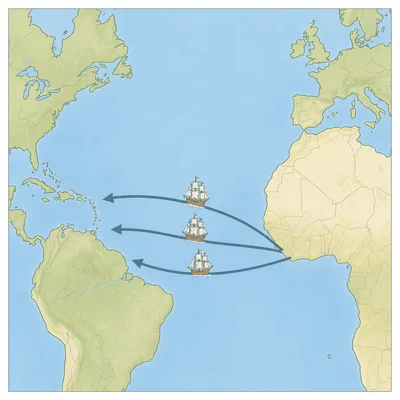
Define the Atlantic slave trade in your own words. Include where people were taken from and where many were forced to work.
- 2
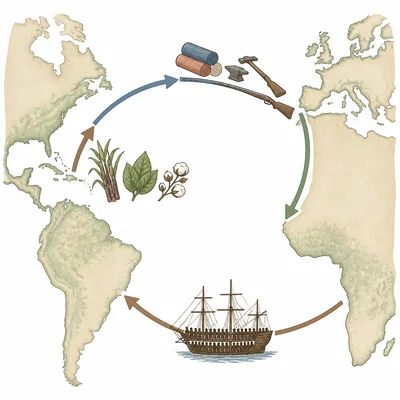
The triangular trade connected Europe, Africa, and the Americas. Describe one good or group of goods that moved along each side of the triangle.
- 3
Explain why European colonizers wanted enslaved labor in the Americas.
- 4
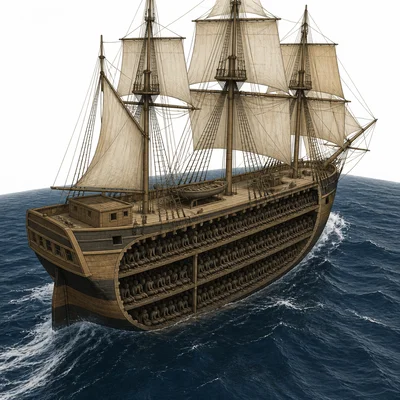
What was the Middle Passage? Describe why it is remembered as one of the most painful parts of the Atlantic slave trade.
- 5
Many African societies were affected by the Atlantic slave trade. Name two possible effects on communities in Africa.
- 6
Read this statement: 'The Atlantic slave trade was only an economic system.' Explain why this statement is incomplete.
- 7
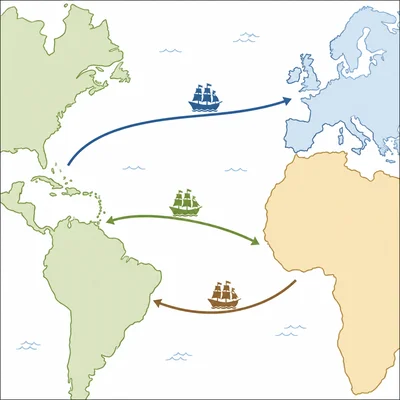
Look at a map of the Atlantic world. Why did geography make West Africa, Europe, and the Americas connected in this trade system?
- 8
What does the term 'chattel slavery' mean, and how was it different from other forms of forced labor?
- 9
List two ways enslaved Africans and their descendants resisted slavery in the Americas.
- 10
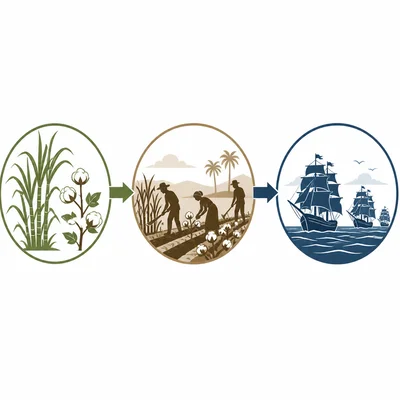
Create a short cause and effect chain with three parts: European demand for plantation crops, forced labor, and growth of the Atlantic slave trade.
- 11
Why is it important to use careful and respectful language when studying the Atlantic slave trade?
- 12
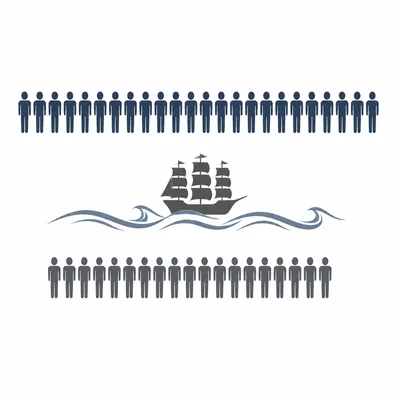
A textbook says that about 12.5 million Africans were forced onto slave ships, and about 10.7 million survived the Middle Passage. What does the difference between these numbers show?
- 13
Explain one way the Atlantic slave trade shaped the economy of the Americas.
- 14
What were abolition movements, and what was one argument abolitionists made against slavery?
- 15
Write a brief reflection explaining why learning about the Atlantic slave trade matters today.