Analyze the geography, history, and cultural importance of Central Asia and the Eurasian steppes, including trade routes, nomadic societies, empires, and modern political issues.
Read each problem carefully. Use complete sentences and specific evidence when asked. Show your reasoning in the space provided.
Geography, history, culture, and connections across Eurasia
Social Studies - Grade 9-12
- 1
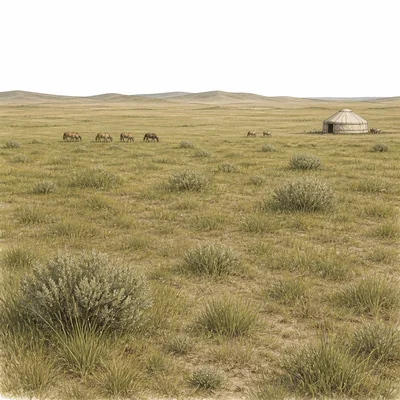
Define the term steppe and explain why steppe environments have historically supported pastoral nomadism.
- 2
Identify three modern countries that are usually considered part of Central Asia and describe one geographic feature they share.
- 3
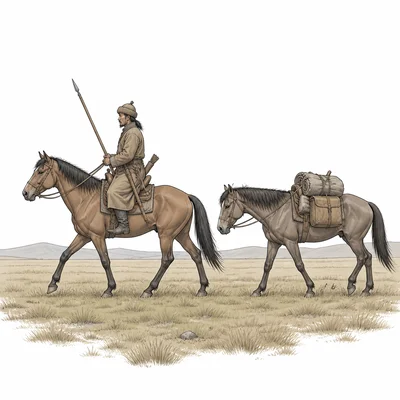
Explain how the domestication and use of horses changed life on the Eurasian steppes.
- 4
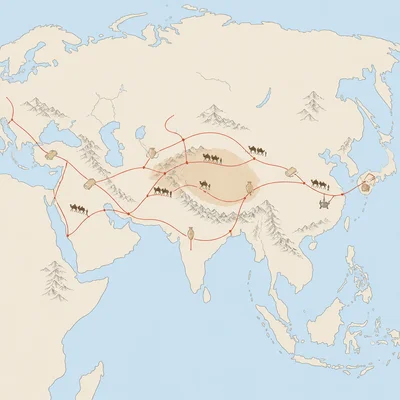
Describe the role of Central Asia in the Silk Roads. Include at least two types of goods, ideas, or technologies that moved through the region.
- 5
Compare settled agricultural societies and nomadic pastoral societies in Central Asia. Give one similarity and two differences.
- 6
Analyze one reason steppe empires, such as the Mongol Empire, were able to expand rapidly across large areas.
- 7
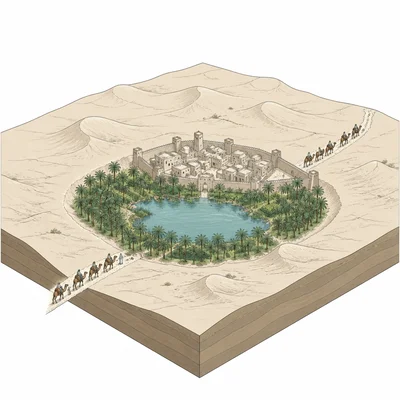
Explain why oasis cities such as Samarkand and Bukhara became important in Central Asian history.
- 8
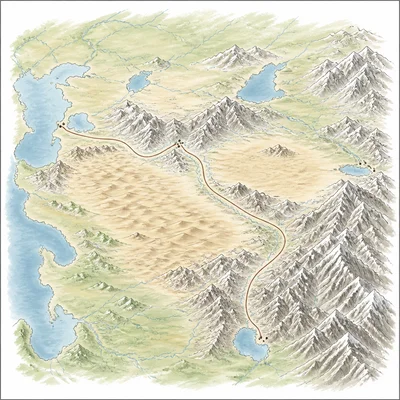
Central Asia contains major deserts, mountains, and grasslands. Explain how physical geography can affect political borders, trade routes, or settlement patterns in the region.
- 9
After the breakup of the Soviet Union in 1991, Central Asian republics became independent states. Identify one challenge these states faced as independent countries and explain why it mattered.
- 10
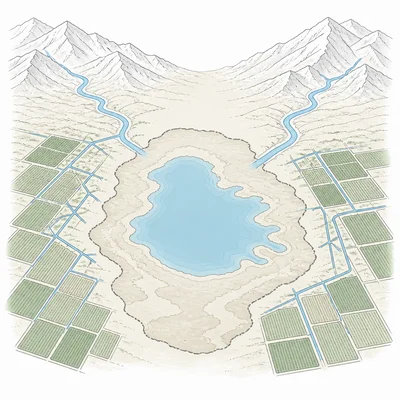
Water resources are a major issue in Central Asia, especially around rivers such as the Amu Darya and Syr Darya and the shrinking Aral Sea. Explain one cause and one consequence of this water problem.