Practice explaining key ideas about elections, voting, and the Electoral College in the United States.
Read each problem carefully. Answer in complete sentences and show your thinking when needed.
Understanding how presidential elections work in the United States
Social Studies - Grade 6-8
- 1
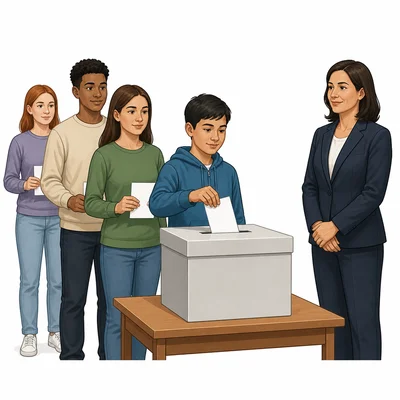
What is the main purpose of an election in a democracy?
- 2
Who is allowed to vote in United States federal elections today?
- 3
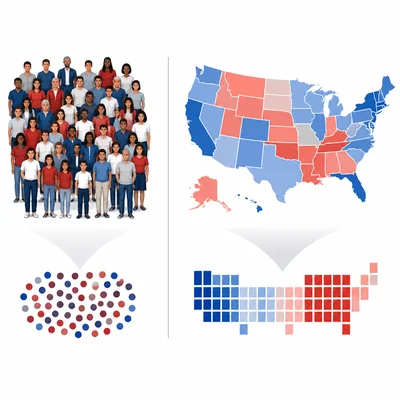
What is the difference between the popular vote and the Electoral College in a presidential election?
- 4
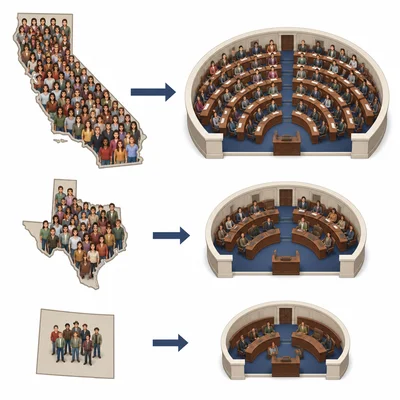
Why do states have different numbers of electoral votes?
- 5
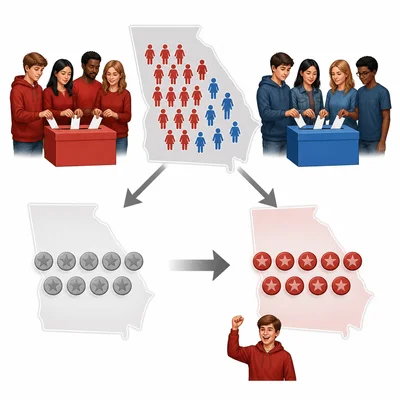
A candidate wins the popular vote in a state. In most states, what usually happens to that state's electoral votes?
- 6
How many electoral votes does a candidate need to win the presidency?
- 7
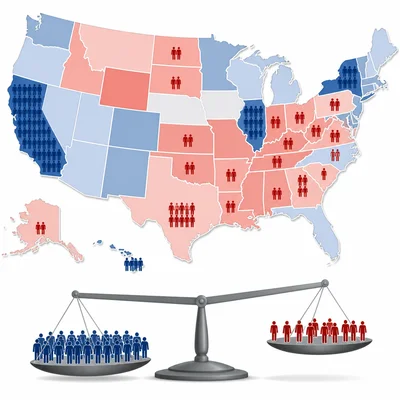
Why might a candidate win the national popular vote but still lose the presidential election?
- 8
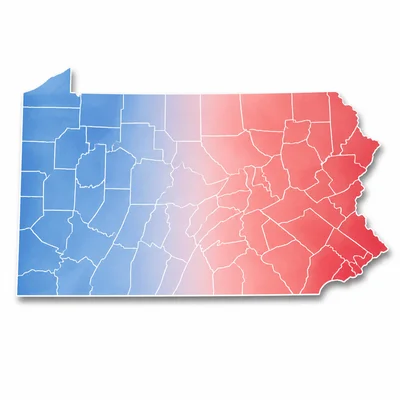
What is a swing state in a presidential election?
- 9

Why do presidential candidates often spend more time campaigning in swing states than in states that strongly support one party?
- 10
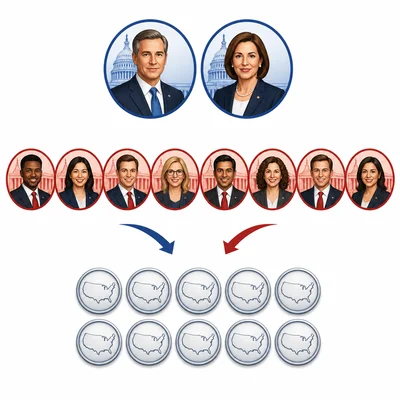
If a state has 2 senators and 8 representatives, how many electoral votes does it have? Explain your answer.
- 11
Name one advantage and one criticism of the Electoral College.
- 12
Why is it important for citizens to stay informed before voting in an election?