Analyze how geography, religion, and modern history have shaped societies and conflicts in the Middle East.
Read each problem carefully. Use complete sentences and specific evidence when explaining your answers.
Exploring physical geography, major religions, and key events shaping the region
Social Studies - Grade 9-12
- 1
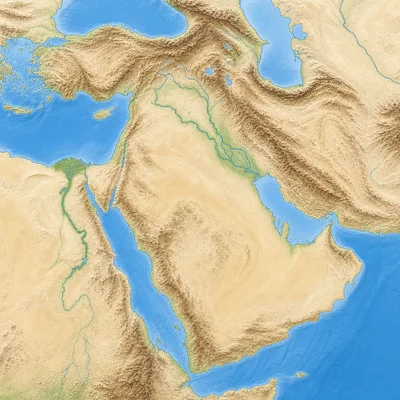
Identify three major physical features of the Middle East and explain how each one has influenced settlement, trade, or political power in the region.
- 2
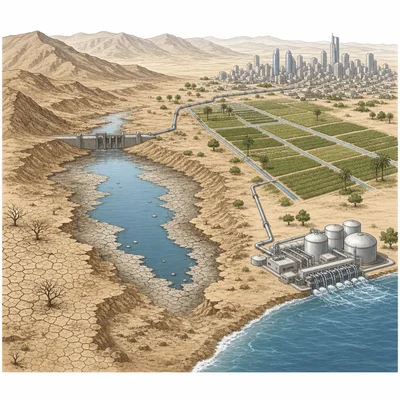
Explain why water scarcity is a major issue in many parts of the Middle East. Include at least two possible effects on society or politics.
- 3
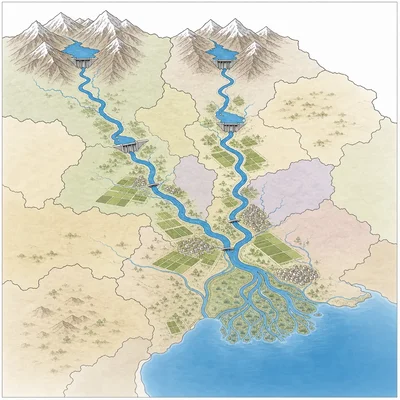
The Tigris and Euphrates Rivers flow through several countries. Describe one way shared river systems can create cooperation and one way they can create conflict.
- 4
Compare Judaism, Christianity, and Islam by identifying one belief or tradition they share and one major way they differ.
- 5
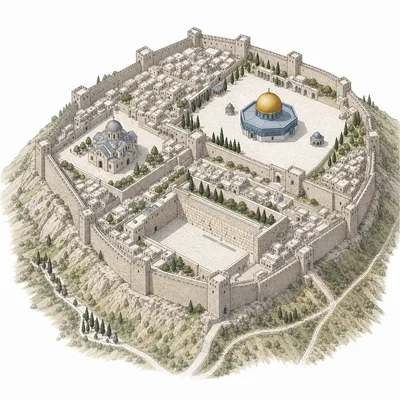
Explain why Jerusalem is significant to Judaism, Christianity, and Islam.
- 6
Define the term sectarianism and explain how sectarian divisions can affect politics in the Middle East.
- 7
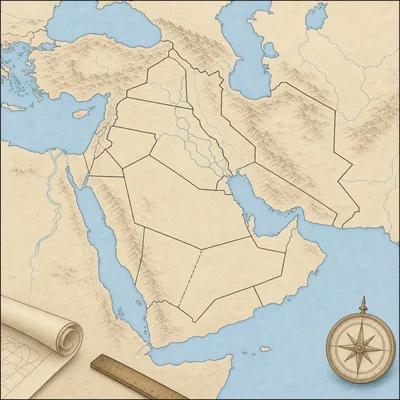
Describe one impact of European imperialism or the mandate system on the modern Middle East after World War I.
- 8
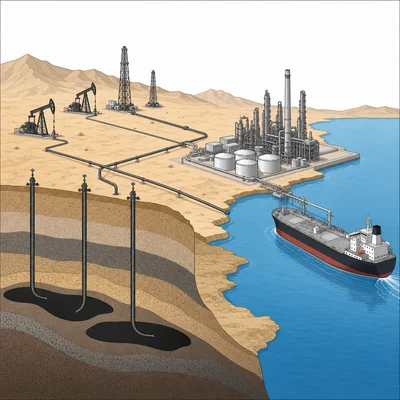
Explain how oil has influenced the economies and foreign relations of some Middle Eastern countries.
- 9
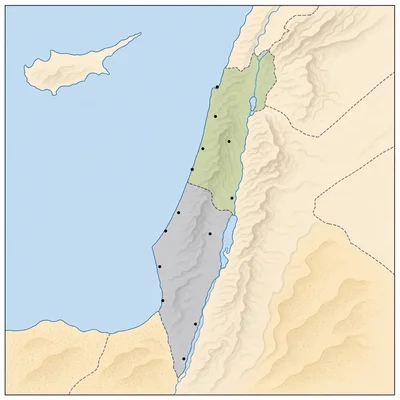
What was one major cause and one major effect of the Arab-Israeli conflict in the twentieth century?
- 10
Describe the significance of the Iranian Revolution of 1979 for Iran and the wider Middle East.
- 11
Choose one modern conflict in the Middle East, such as the Syrian civil war, the Iraq War, or the Yemen conflict. Identify two causes and two consequences of the conflict.
- 12
Analyze how geography, religion, and modern history are connected in shaping one current issue in the Middle East. Use at least one example.