Practice identifying major western trails, important territories, geographic challenges, and the effects of westward expansion on different groups of people.
Read each problem carefully. Use complete sentences when answering. Show your thinking in the space provided.
Exploring routes, regions, and choices during westward expansion
Social Studies - Grade 4-5
- 1
Name two major trails that settlers used to travel west in the 1800s.
- 2
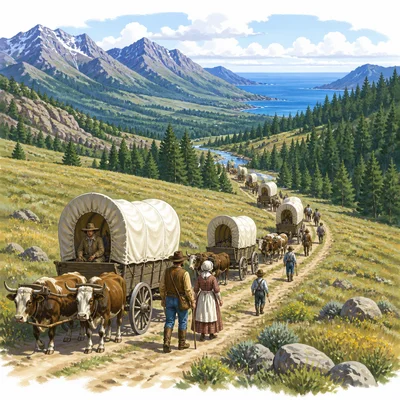
The Oregon Trail stretched from the Missouri River area toward the Pacific Northwest. Why was this trail important to many settlers?
- 3
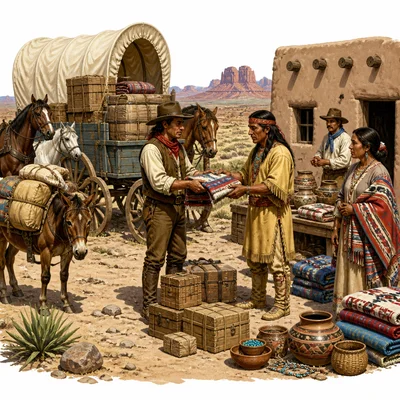
The Santa Fe Trail connected Missouri with Santa Fe. Was this trail used mostly for farming, trade, or fishing? Explain your answer.
- 4
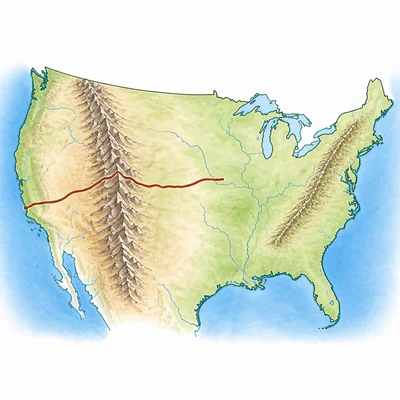
Look at a map of the United States. Which geographic feature would travelers often need to cross before reaching the West Coast: the Appalachian Mountains, the Rocky Mountains, or the Atlantic Ocean?
- 5
Explain one reason families might have chosen to move west during westward expansion.
- 6
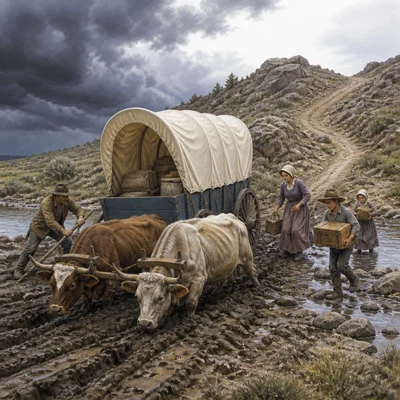
Traveling by wagon was difficult. List two challenges that people on western trails might have faced.
- 7
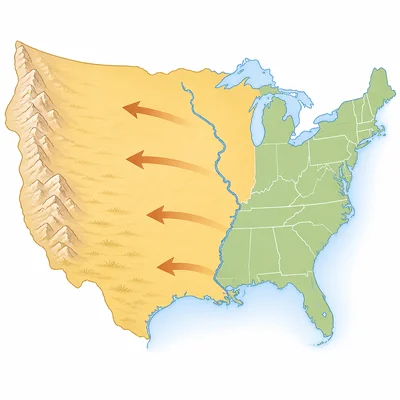
The Louisiana Purchase doubled the size of the United States in 1803. How did it affect westward expansion?
- 8
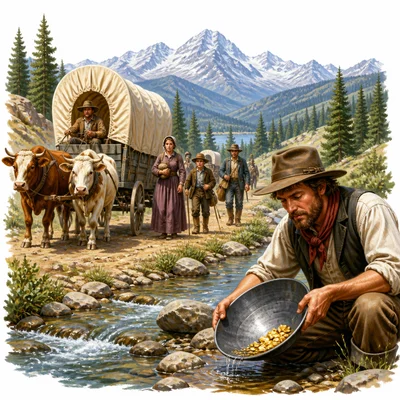
The California Trail became especially important after gold was discovered in California in 1848. Why did many people use this trail?
- 9
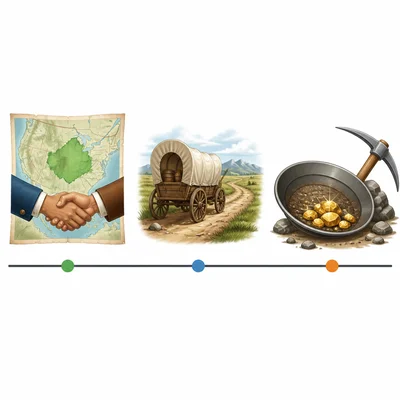
Put these events in the correct order: Louisiana Purchase, California Gold Rush begins, Oregon Trail becomes a major route for settlers.
- 10
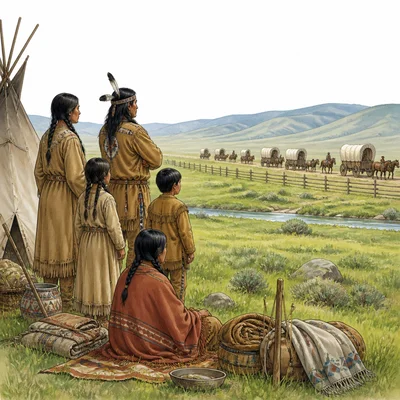
How did westward expansion affect many Native American nations?
- 11
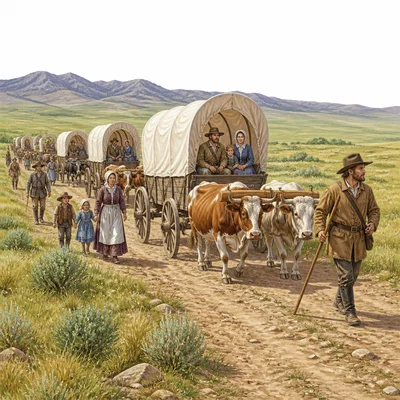
A wagon train is a group of wagons traveling together. Why might travelers have joined a wagon train instead of traveling alone?
- 12
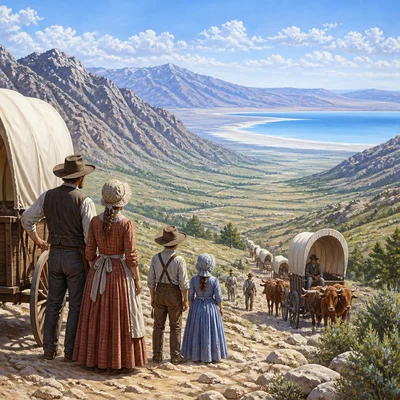
The Mormon Trail led many members of the Church of Jesus Christ of Latter-day Saints to the Salt Lake Valley. Why was this trail important to them?
- 13
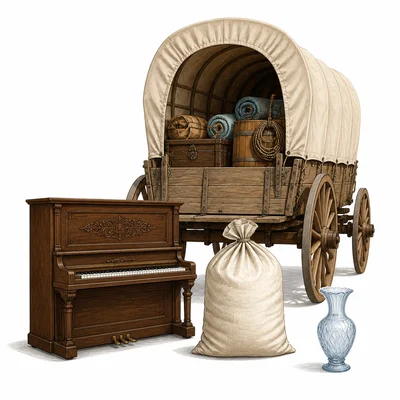
Choose the best answer and explain: Which item would be most useful for a family traveling west by wagon: a piano, extra flour, or a glass vase?
- 14
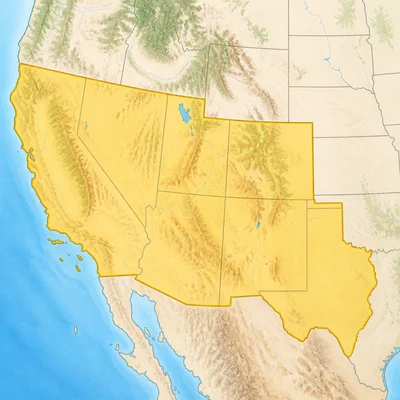
The United States gained the Mexican Cession after the Mexican-American War. Name one present-day state that includes land from the Mexican Cession.
- 15
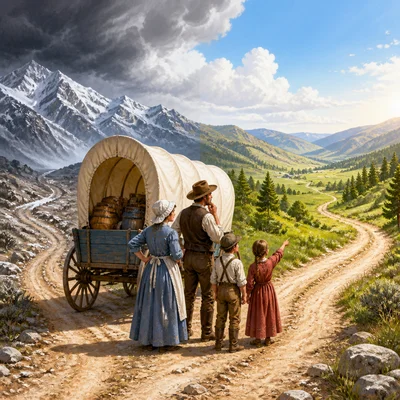
Imagine you are planning a trip west in the 1840s. Explain why choosing the right trail and season would be important.