Practice understanding the cultural diversity of Africa through geography, language, religion, arts, and daily life.
Read each problem carefully. Answer in complete sentences and use evidence from what you know about world cultures.
Exploring regions, traditions, languages, and daily life across Africa
Social Studies - Grade 6-8
- 1
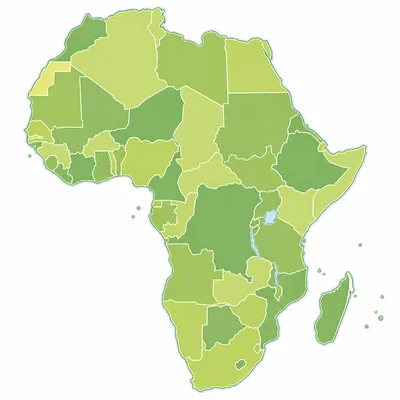
Africa is a continent, not a country. Explain what that means and why it is important when studying world cultures.
- 2
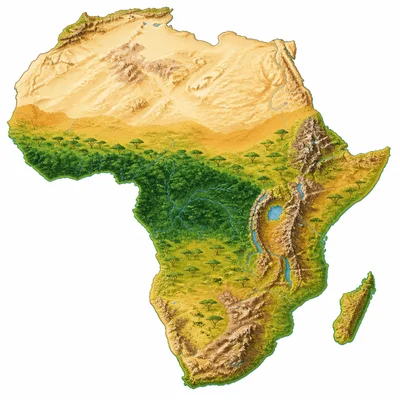
Name two major geographic regions of Africa and describe one way geography can affect how people live in each region.
- 3
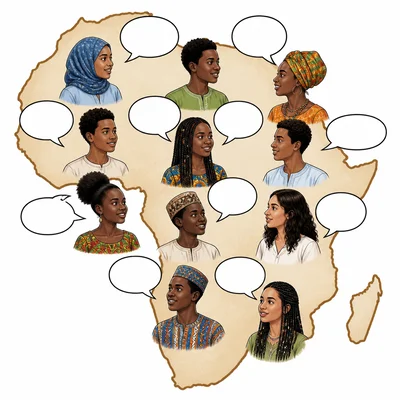
Many languages are spoken across Africa. Explain why language diversity is an important part of culture.
- 4
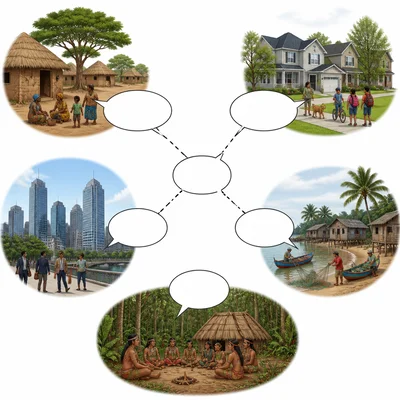
Swahili is spoken in parts of East Africa and is used for communication across groups. How can a shared language help people in a region?
- 5
Religions practiced in Africa include Islam, Christianity, and traditional belief systems. Write one sentence explaining how religion can shape culture.
- 6
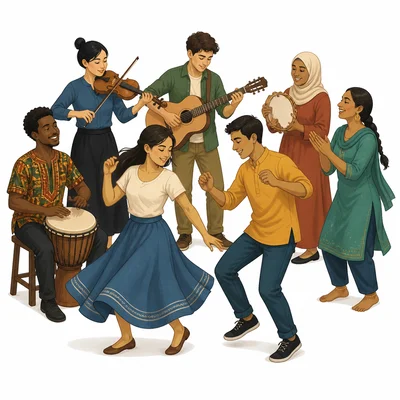
Music and dance are important in many African cultures. Describe two ways music and dance can be used in a community.
- 7
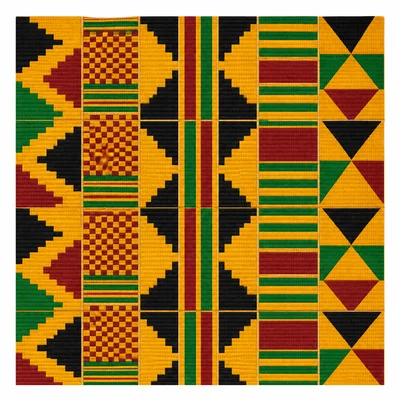
Kente cloth from Ghana is known for its bright colors and patterns. Explain how clothing and textiles can express cultural identity.
- 8
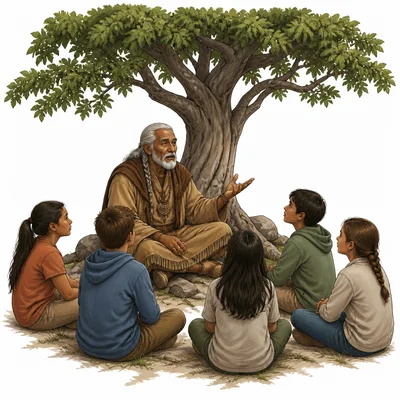
In some African societies, oral tradition is used to pass down history. What is oral tradition, and why is it valuable?
- 9
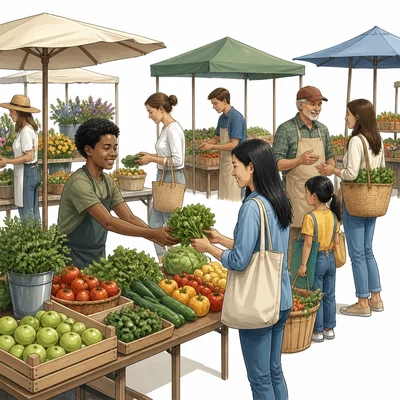
Markets are important in many African towns and cities. Describe one economic and one social role that markets can have.
- 10
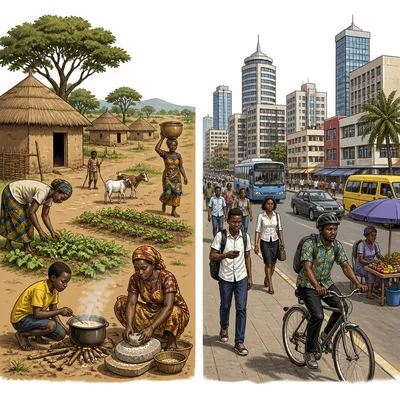
Compare daily life in a rural area and an urban area in Africa. Give one possible difference and one possible similarity.
- 11
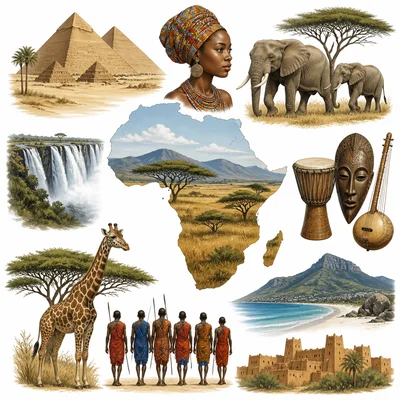
Why is it inaccurate to say that all people in Africa have the same culture? Use at least two details in your answer.
- 12
Choose one cultural element such as food, art, language, music, or religion and explain how it helps people stay connected to their heritage.