Why Do We Yawn (and Why Is It Contagious)?
A reflex that links bodies, brains, and groups
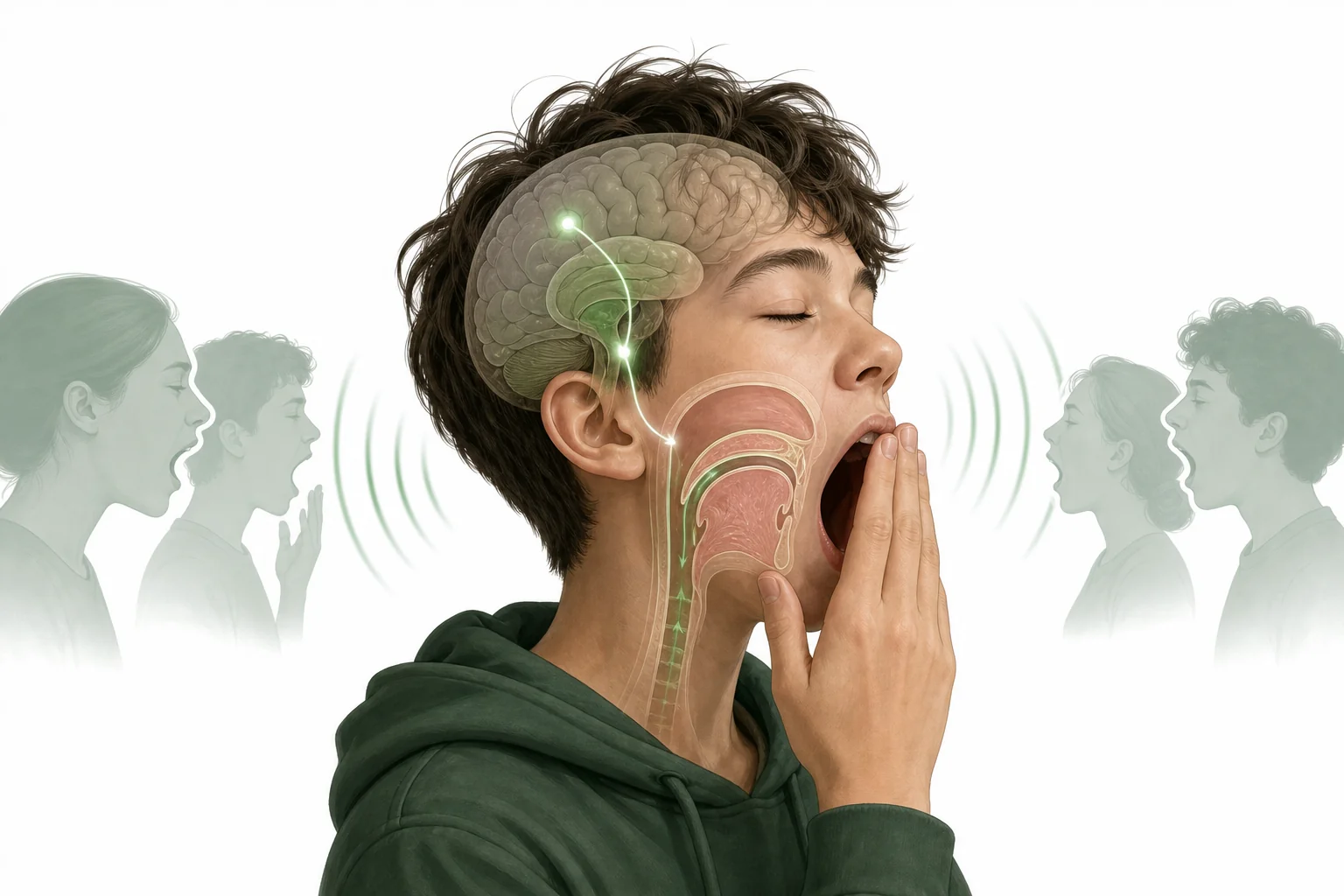
Yawning is a body reflex that may help the brain stay alert and shift between states like sleep and waking. It is not mainly caused by needing more oxygen. Yawning can spread because people often copy the faces, sounds, and actions of others in a group.
A yawn looks simple. Your mouth opens, you take a deep breath, and your face stretches for a few seconds. But scientists still study why it happens. Yawning appears in humans, many mammals, and even some birds and reptiles. It often shows up when the body is changing state, such as waking up, getting sleepy, feeling bored, or preparing to pay attention. A common myth says yawning happens because the blood needs more oxygen. Careful tests do not support that idea. Breathing extra oxygen does not reliably stop yawning. Another idea is that yawning may help regulate brain temperature and alertness. Yawning also has a social side. Seeing, hearing, or thinking about a yawn can trigger one in another person. That makes yawning a useful case study for middle-school biology. It connects nervous system signals, body regulation, behavior, and social animals.
A reflex, not a choice
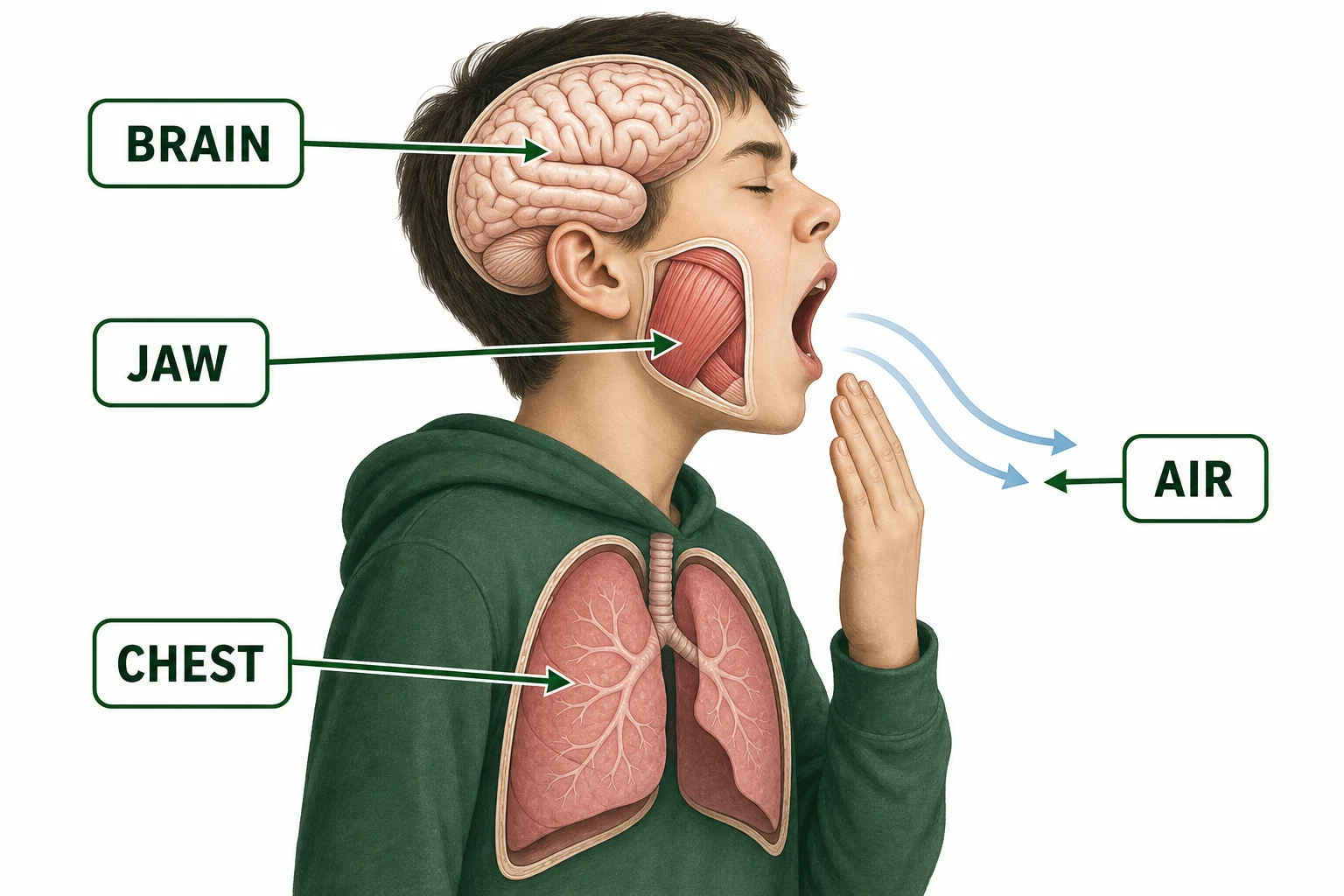
A yawn is a coordinated reflex controlled by the nervous system.
The oxygen myth
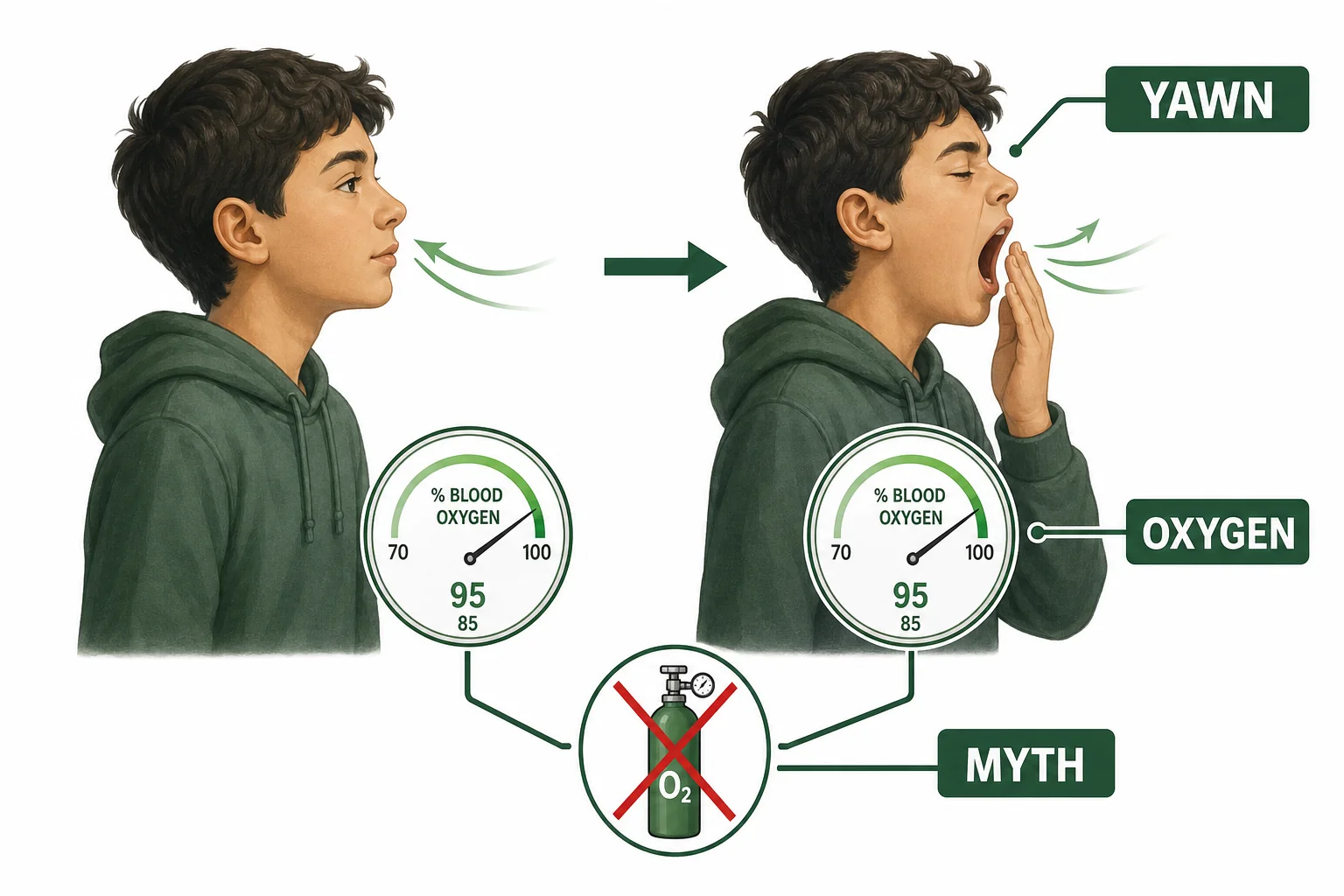
A deep breath during a yawn does not mean low oxygen caused it.
The brain cooling idea
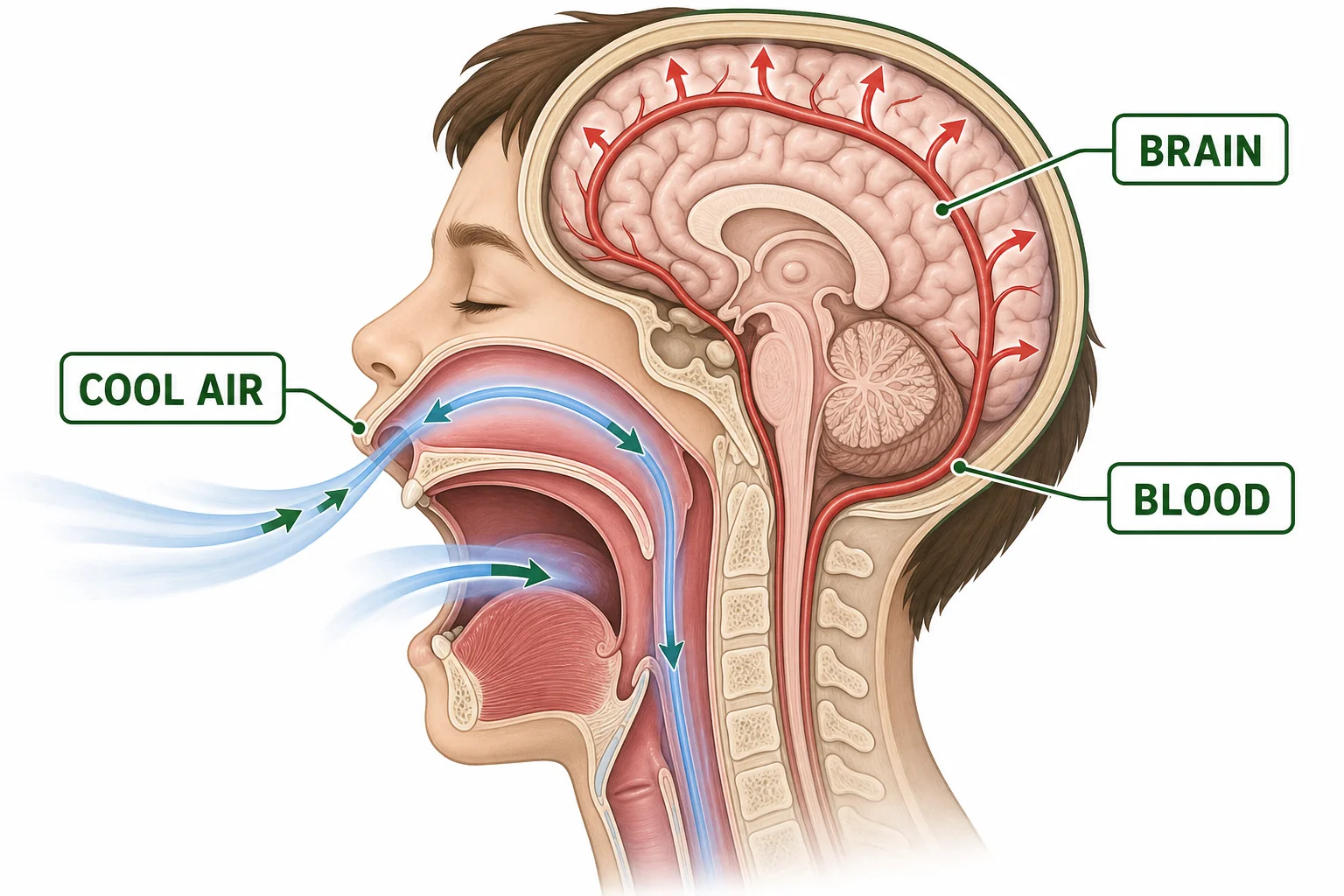
Scientists study yawning as part of body regulation, not just breathing.
Why yawns spread
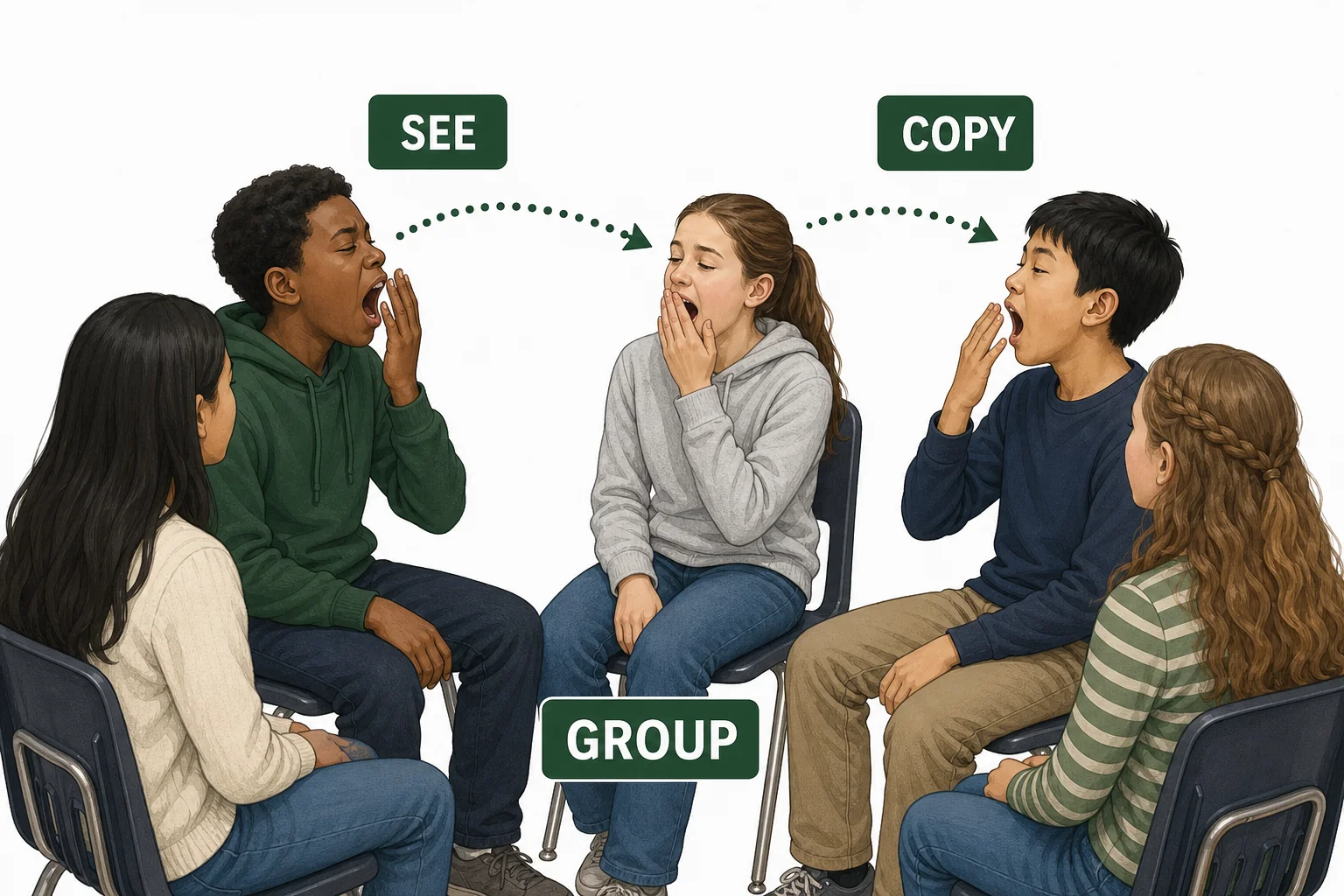
Contagious yawning spreads through social sensing, not infection.
What yawning teaches
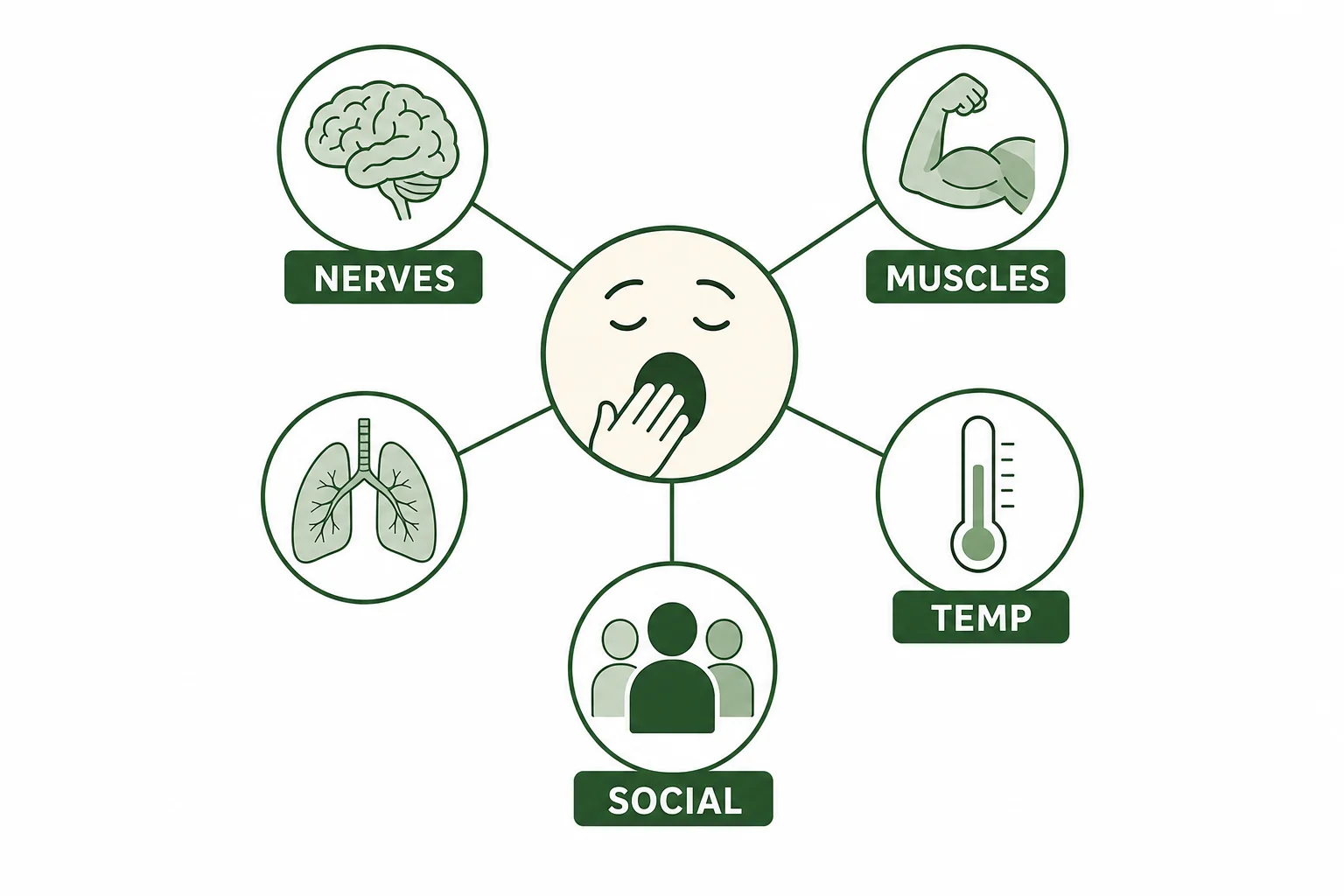
Yawning is a useful model for studying how body systems interact.
Vocabulary
- Reflex
- A fast body response controlled by the nervous system, often without conscious choice.
- Hypothesis
- A testable explanation for an observation.
- Homeostasis
- The process of keeping internal body conditions within a working range.
- Contagious yawning
- Yawning that is triggered by seeing, hearing, reading about, or thinking about another yawn.
- Mirror neuron
- A brain cell that can respond when an animal performs an action and when it observes a similar action.
In the Classroom
Test the oxygen claim
20 minutes | Grades 6-8
Students compare the oxygen myth with the brain cooling hypothesis. They list one prediction each idea would make, then decide what kind of evidence would support or weaken it.
Yawning observation log
2 days | Grades 6-8
Students keep a private tally of yawns during different class periods or activities without naming classmates. The class combines anonymous data and looks for patterns linked to time of day, attention, and transitions.
Social signal model
30 minutes | Grades 6-8
Students make a simple flowchart that shows how seeing a yawn could lead to a response in another person. They include sense organs, the brain, motor signals, and face muscles.
Key Takeaways
- • Yawning is a reflex coordinated by the nervous system.
- • The idea that yawning is mainly caused by low oxygen is not well supported by evidence.
- • The brain cooling hypothesis suggests yawning may help regulate brain temperature and alertness.
- • Contagious yawning is linked to social perception, imitation, and brain development.
- • Yawning connects to NGSS ideas about body systems, signals, and responses.