Why Does Exercise Make You Feel Good?
How movement changes your brain and mood
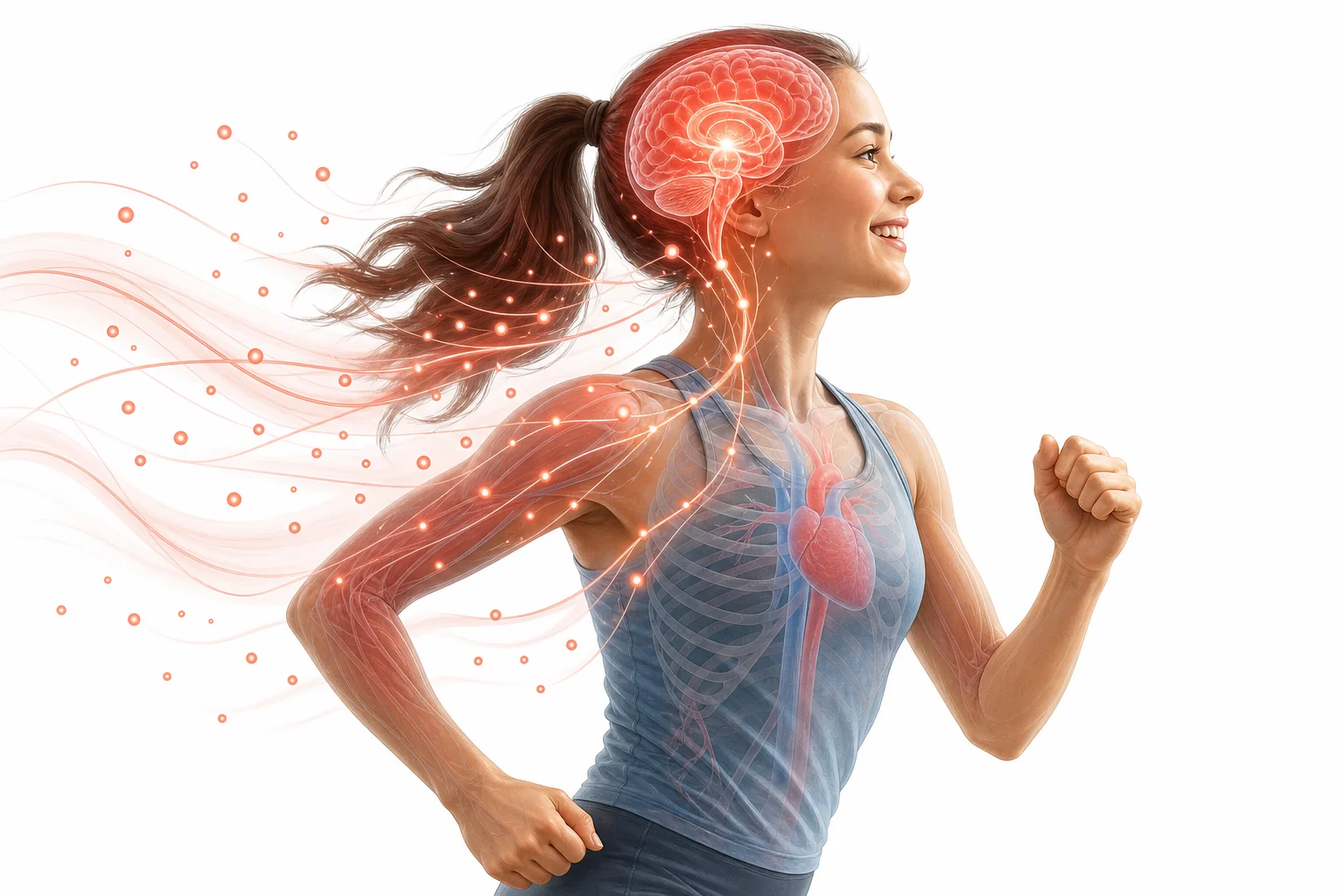
Exercise helps your brain and body work together in ways that can lift your mood. Moving your muscles increases blood flow to the brain and changes the levels of brain chemicals linked to pleasure, calm, and focus. Even about 20 minutes can be enough to start these changes.
Exercise can change how you feel before you even leave the gym, field, sidewalk, or living room. That change is not magic. It comes from body systems working together. Your muscles need more oxygen and fuel when you move. Your heart pumps faster. Your breathing speeds up. More blood reaches working muscles and the brain. At the same time, the nervous system changes the release of chemical messengers that affect attention, stress, and reward. This is why a short walk, dance break, bike ride, or game can make some people feel calmer or more awake afterward. The effect is not the same for everyone, and exercise is not a cure for sadness or anxiety. It is one useful tool for supporting health. Middle-school life can include stress, screens, homework, and changing sleep patterns. Understanding the science of movement helps explain why even a 20 minute burst can matter.
Your body shifts into movement mode
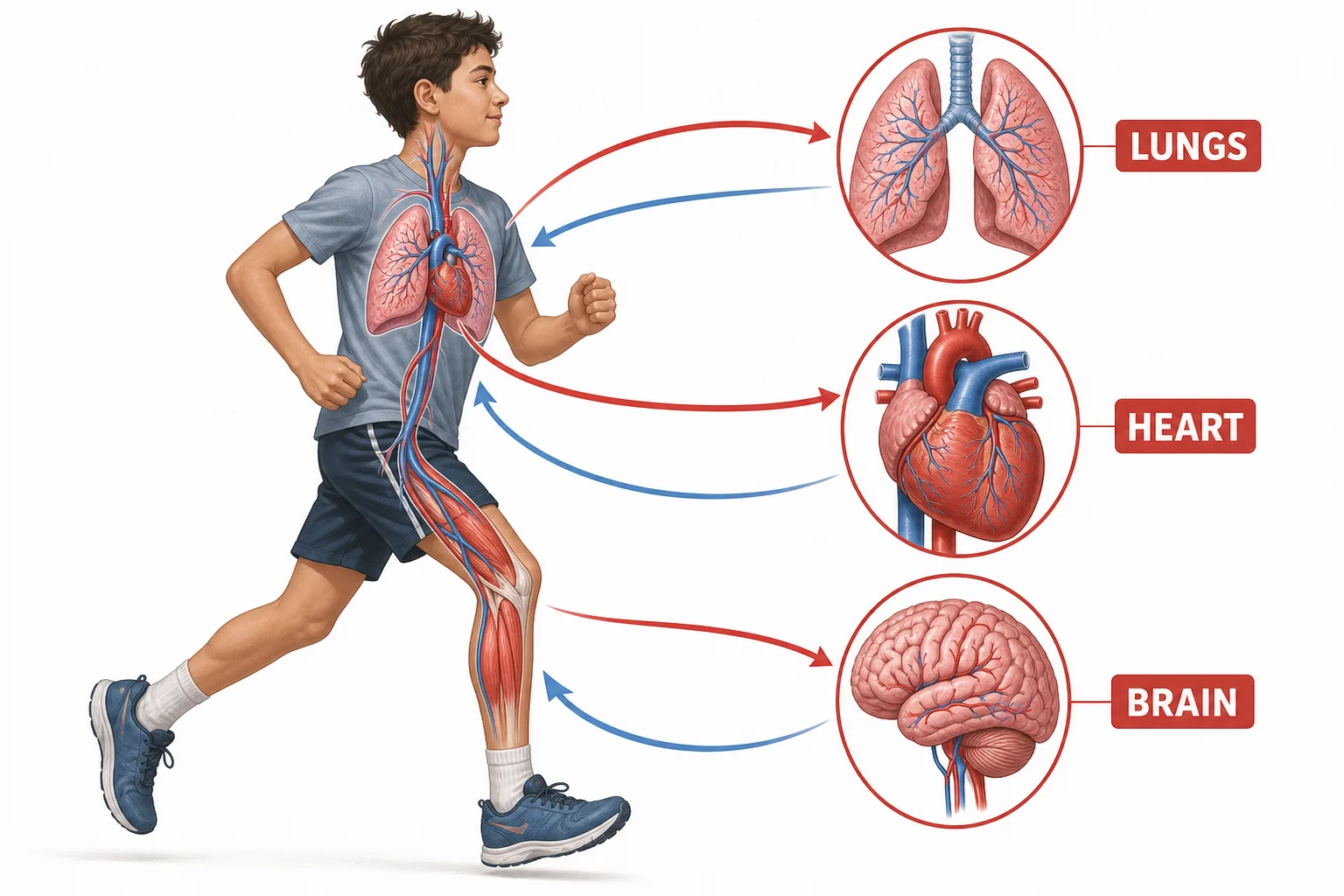
Exercise is a whole-body event, not just a muscle event.
More blood reaches the brain
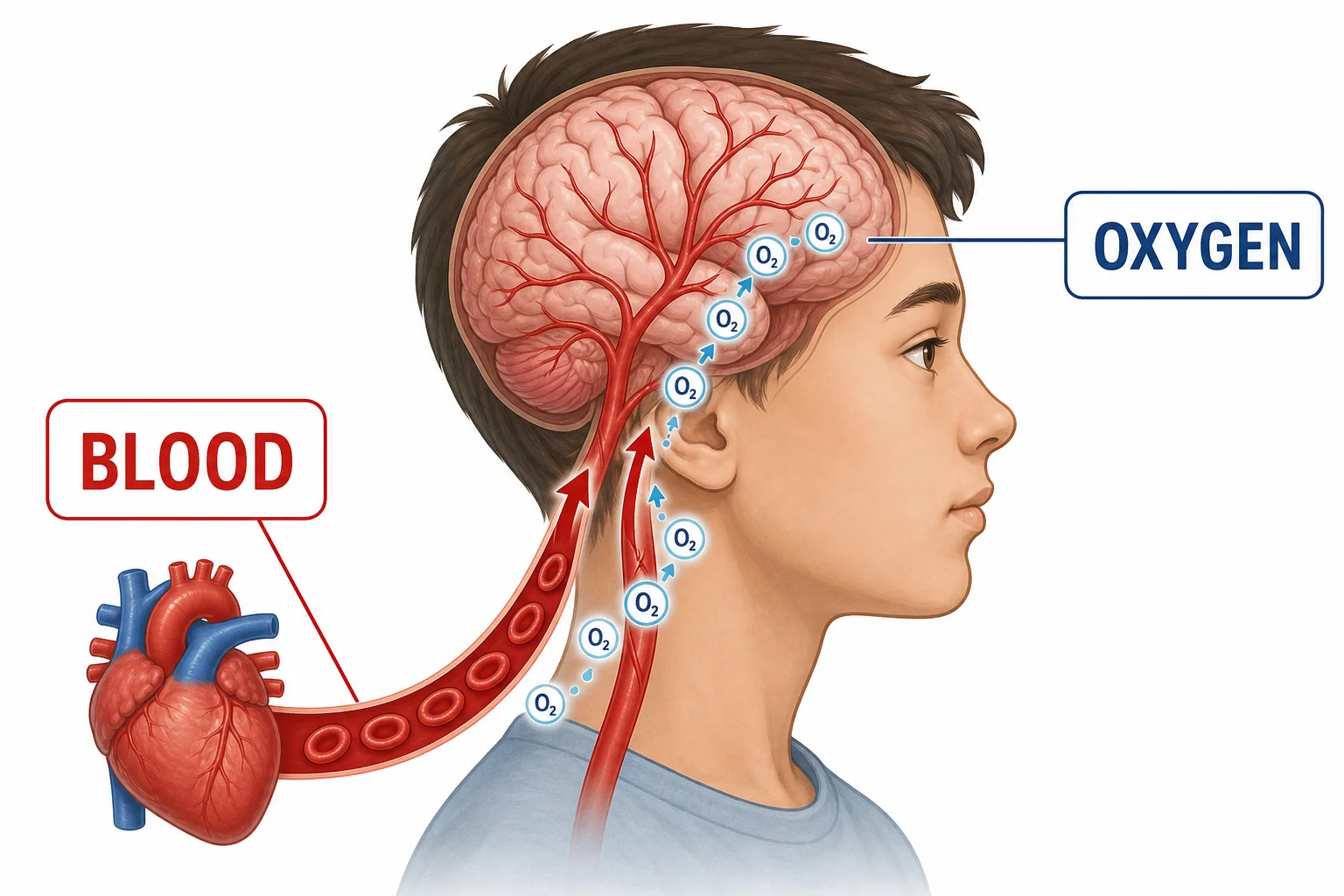
A moving body can help the brain become more alert.
Brain chemicals help shape mood
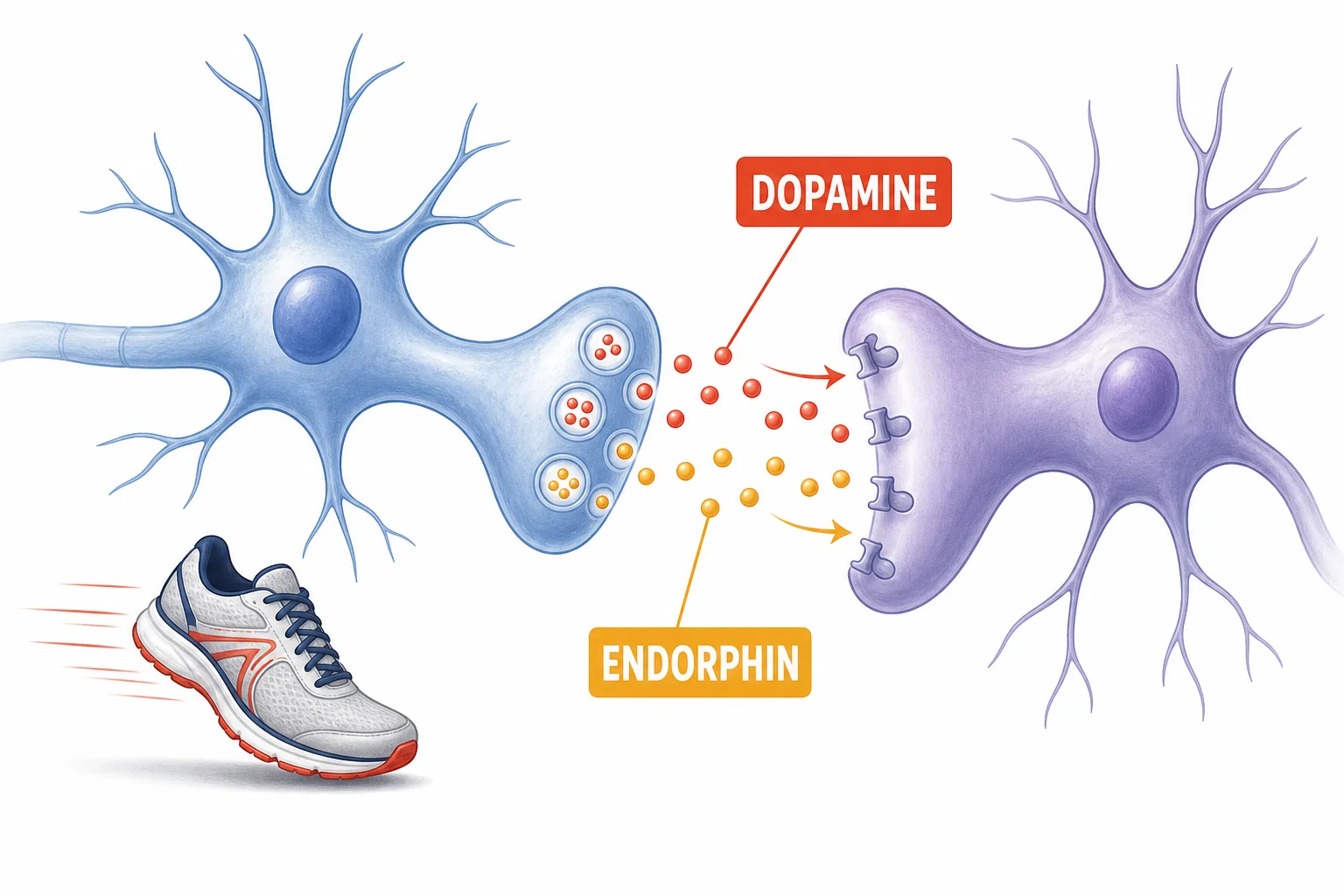
Mood changes come from networks of signals, not one single chemical.
Why 20 minutes can matter
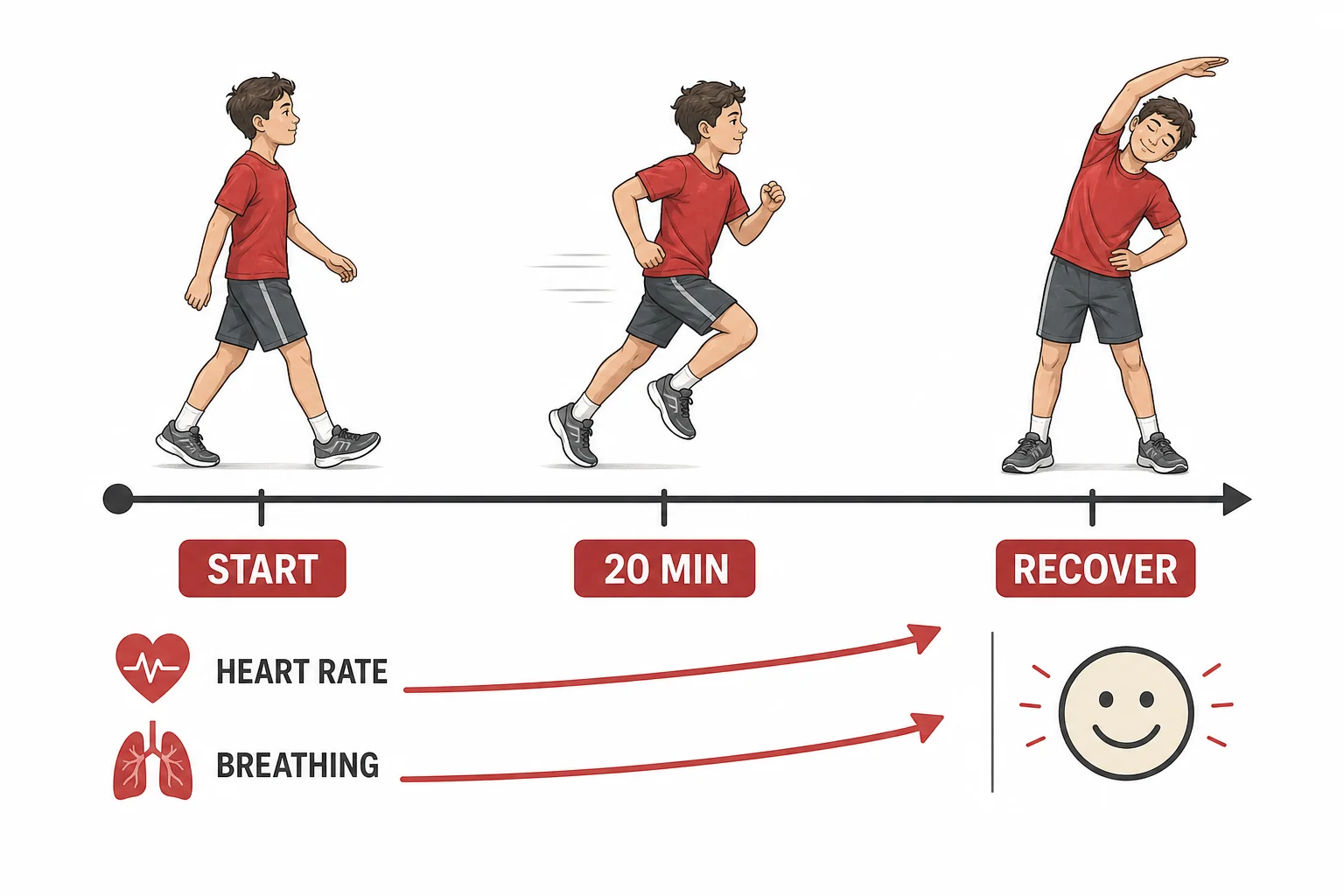
Short, moderate activity can be enough to start a mood shift.
The after-effect is real, but personal
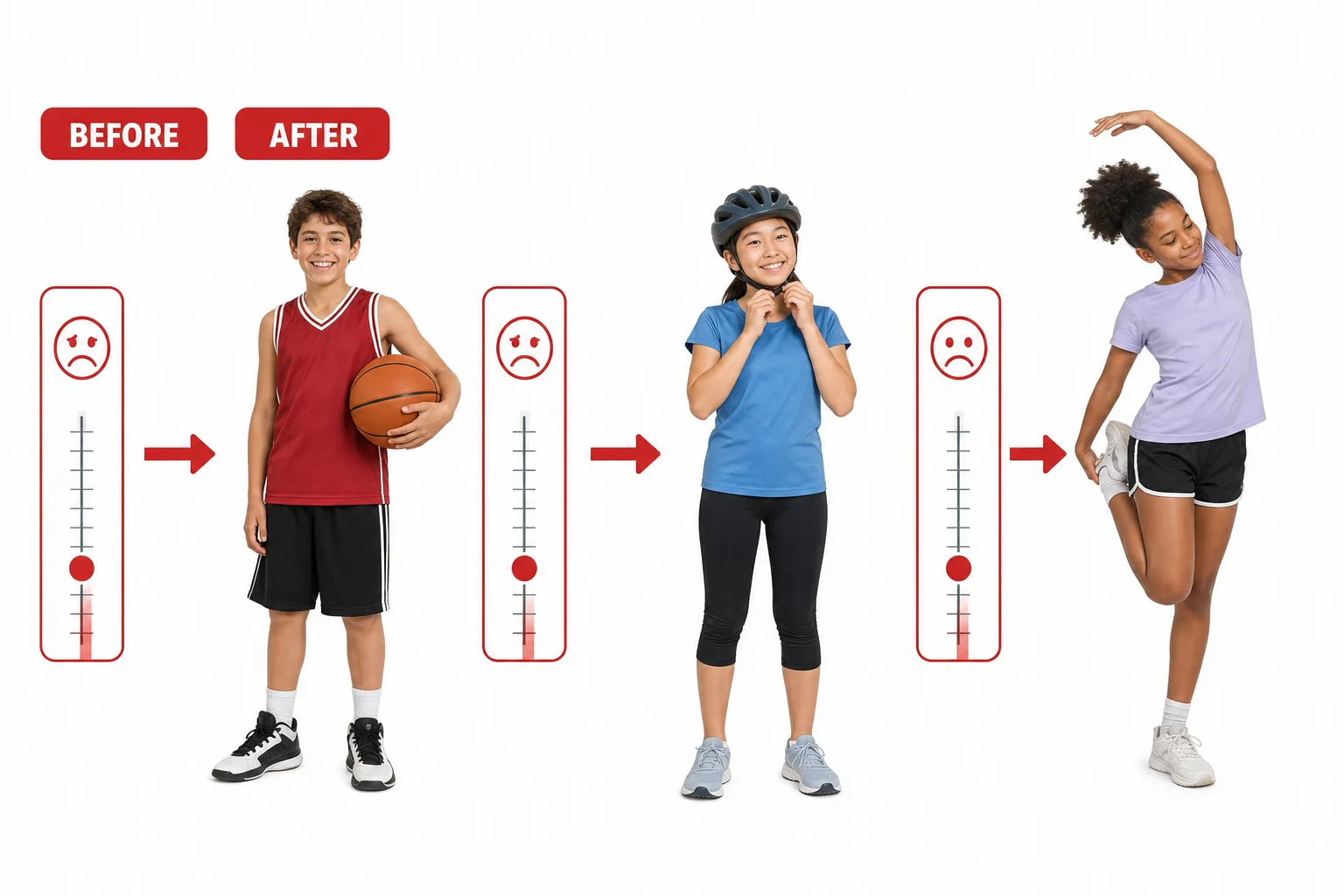
Tracking your own response is part of understanding health.
Vocabulary
- Endorphins
- Chemical messengers made by the body that can reduce pain signals and may support a calm feeling after effort.
- Dopamine
- A brain chemical involved in reward, motivation, movement, and learning.
- Blood flow
- The movement of blood through vessels that delivers oxygen and nutrients and carries waste away.
- Moderate exercise
- Activity that raises breathing and heart rate while still allowing short spoken sentences.
- Post-exercise mood effect
- A change in mood, stress, or focus that happens after physical activity.
In the Classroom
Before and After Mood Log
25 minutes | Grades 6-8
Students rate energy, stress, and focus before a 10 to 20 minute walk or movement break. They rate the same items afterward and look for class patterns without sharing private details.
Body Systems Map
30 minutes | Grades 6-8
Students draw a concept map linking muscles, lungs, heart, blood, and brain during exercise. They add arrows to show how oxygen, fuel, and signals move through the body.
Talk Test Investigation
35 minutes | Grades 6-8
Students compare resting, light, and moderate activity using the talk test and pulse counts. They connect the evidence to how the body adjusts effort and recovery.
Key Takeaways
- • Exercise can improve mood by changing body signals, brain chemicals, and blood flow.
- • The heart, lungs, muscles, blood vessels, and brain work together during movement.
- • Endorphins and dopamine are part of the story, but they are not the whole story.
- • About 20 minutes of moderate activity can be enough for many people to notice a change.
- • The post-exercise mood effect varies from person to person and from day to day.