Evidence and Commentary Lab
Pick a claim, select the evidence that strongly supports it, then choose or write commentary that explains the connection. Reveal to check the fit of each evidence option and the type of each commentary choice.
Guided ExperimentMatch Evidence, Then Explain It
Hypothesis
Setup
Run Experiment
Analyze
Conclude
Which evidence option do you predict best supports the claim, and why?
Write your hypothesis in the Lab Report panel, then click Next.
Controls
Claim
A 2019 rule change limiting full-contact practice drills reduced player injuries.
Select the evidence that strongly supports the claim
Commentary
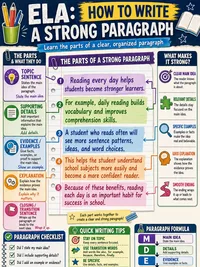
Commentary explains why the evidence matters. It does not just restate the evidence.
0 / 500
0 / 500
0 / 500
Reference Guide
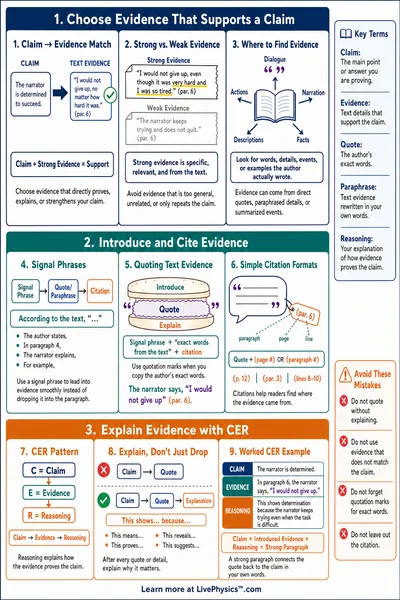
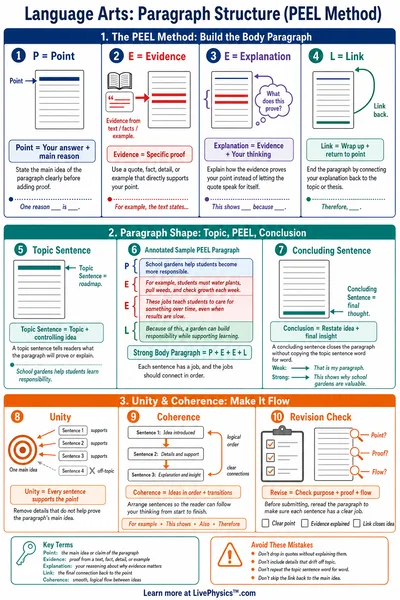
Evidence vs Commentary
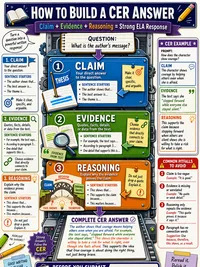
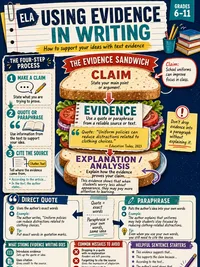
- Evidence. The fact, data point, or example that supports a claim.
- Commentary. Your explanation of why that evidence matters and how it connects to the claim.
- Strong evidence. Specific and directly tied to the claim.
- Weak or irrelevant evidence. Vague, tangential, or unrelated to the claim.
How to Use This Lab
- Pick a claim and a difficulty level.
- Select the evidence options that strongly support the claim.
- Choose commentary that explains the evidence, or write your own in Challenge mode.
- Reveal to see each evidence option's fit and each commentary option's type.
Related Content
Related Tools
Argument & Evidence Organizer
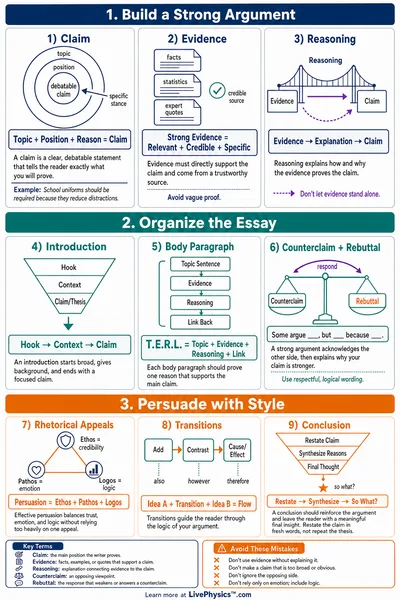
Organize your argument with a claim, supporting evidence, warrants, counterclaim, and rebuttal. Practice the structure of evidence-based argumentative writing for grades 8-12.
Writing Rubric Builder
Score student writing across 6 traits using a 4-point rubric. Choose narrative, informational, or argumentative mode, rate Ideas, Organization, Voice, Word Choice, Sentence Fluency, and Conventions, and see total score with grade band.
Citation Builder & Plagiarism Trainer
Build correct MLA and APA citations for books, websites, and journal articles with a live preview, then practice telling proper paraphrasing apart from patchwriting and plagiarism. Learn to credit sources and avoid copying.
Ethos, Pathos, Logos Rhetoric Explorer
Spot ethos, pathos, and logos in short example passages, then build your own balanced argument and watch the rhetorical triangle show your mix of appeals. Learn how strong persuasion combines credibility, emotion, and logic.
Related Labs
Story Plot Arc Lab
Map a story's exposition, rising action, climax, falling action, and resolution on an interactive plot diagram. Record key events in each stage and analyze how structure reveals theme.
Figurative Language Lab
Tag similes, metaphors, personification, hyperbole, alliteration, and more across three passages. Click each sentence to identify the device type and record how figurative language shapes meaning.
Claim-Evidence-Reasoning Lab
Build structured arguments using the CER framework across three debate topics. Write a claim, add evidence with reasoning, acknowledge counter-claims, and measure your argument's strength.
Reading Strategies Lab
Practice active reading across three non-fiction passages. Make text connections, ask before/during/after questions, form predictions, and write summaries using guided strategy prompts.