Learn how ancient Egyptian artists used symbols, poses, colors, and hieroglyphs to communicate beliefs, identity, and power.
Read each problem carefully. Use complete sentences when explaining your thinking. Show your work in the space provided.
Exploring symbols, style, and meaning in ancient Egyptian visual culture
Art History - Grade 6-8
- 1
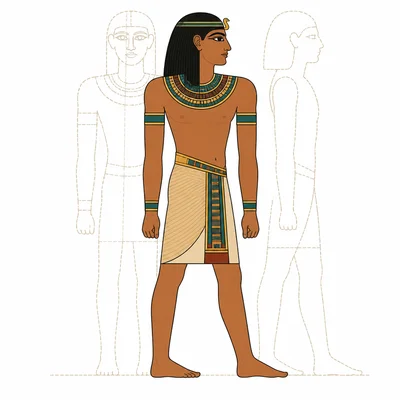
Ancient Egyptian art often followed strict rules instead of showing people exactly as they looked in real life. Describe one common rule used when showing the human body in Egyptian art.
- 2
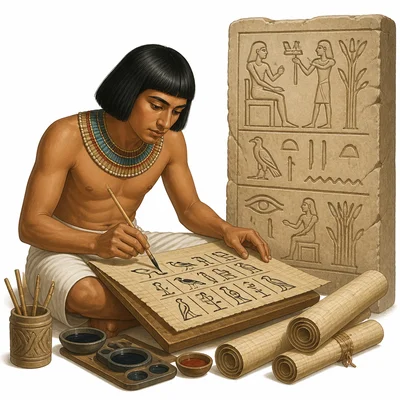
What was the purpose of hieroglyphs in ancient Egypt? Give at least two ways they were used.
- 3
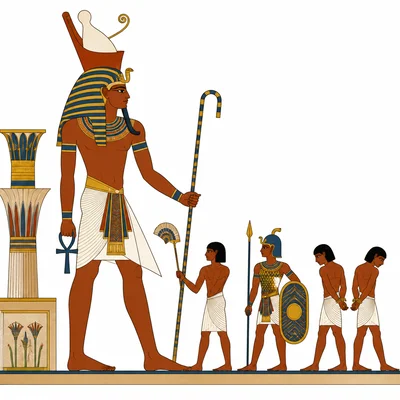
A pharaoh is shown much larger than servants, soldiers, or prisoners in a wall painting. What does this size difference communicate?
- 4
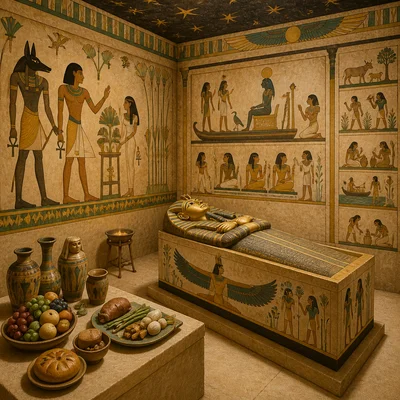
Explain why tomb art was important in ancient Egyptian culture.
- 5
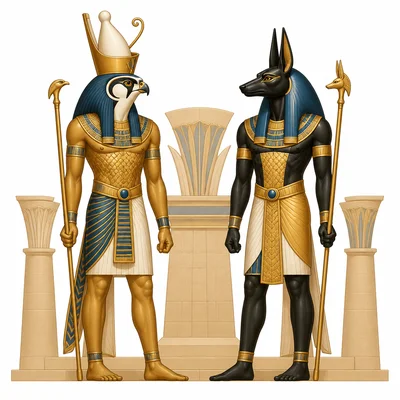
Many Egyptian artworks include gods with animal features, such as a falcon head or jackal head. What might these animal features help communicate?
- 6
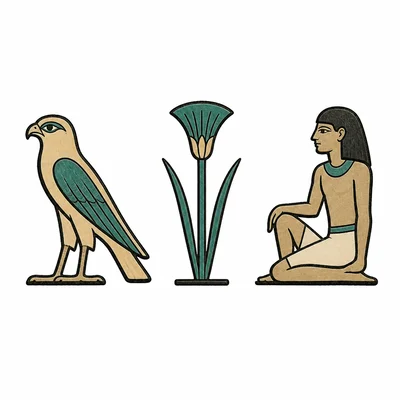
Look at this set of symbols: a bird, a reed, and a seated person. In hieroglyphic writing, why might symbols represent sounds, ideas, or categories instead of only pictures of objects?
- 7
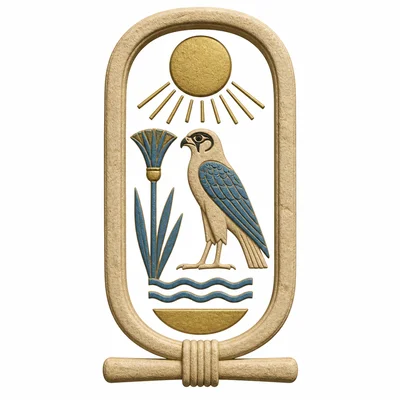
What is a cartouche, and why was it important?
- 8
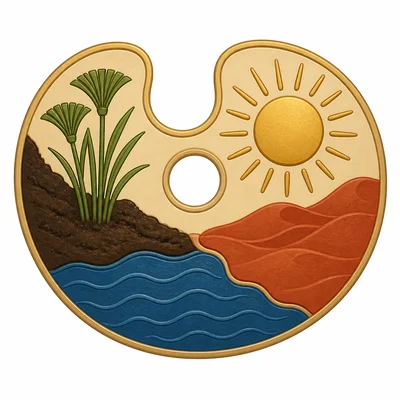
Ancient Egyptian artists used color symbolically. Choose one color commonly used in Egyptian art and explain what it could mean.
- 9
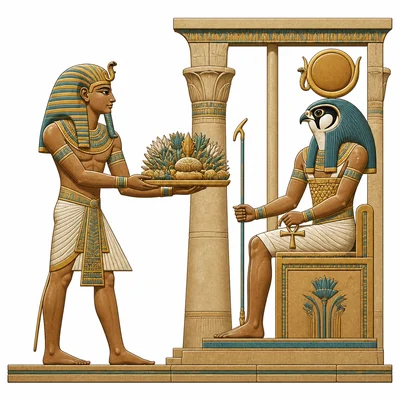
A temple wall shows a pharaoh offering food to a god. What does this scene suggest about the relationship between religion and kingship in ancient Egypt?
- 10
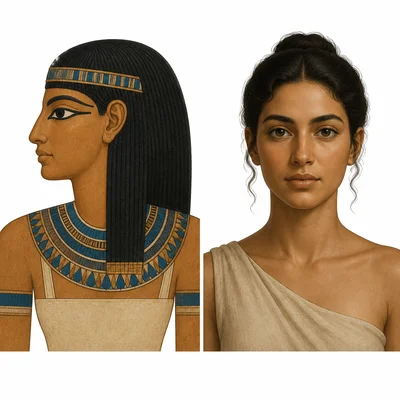
Compare ancient Egyptian art to a modern realistic portrait. How are the goals of the two styles often different?
- 11
Why do you think Egyptian artists repeated the same poses, symbols, and layout patterns for hundreds of years?
- 12
Create a short plan for an Egyptian inspired artwork that includes one human figure, one hieroglyphic symbol, and one color with symbolic meaning. Describe each choice and what it represents.