Practice identifying and comparing reptiles, amphibians, birds, and mammals by their body coverings, life cycles, habitats, and adaptations.
Read each problem carefully. Use complete sentences when explaining your answers.
Comparing major groups of vertebrate animals
Biology - Grade 4-5
- 1
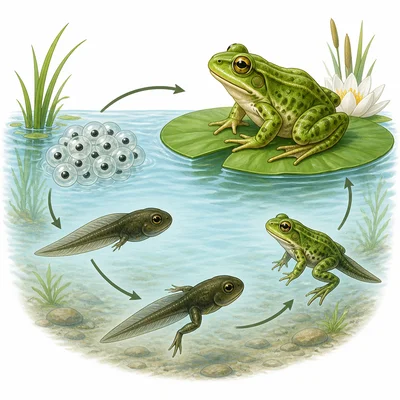
A frog begins life in water as a tadpole and later grows legs and lungs. Which animal group does a frog belong to, and what clue helps you know?
- 2
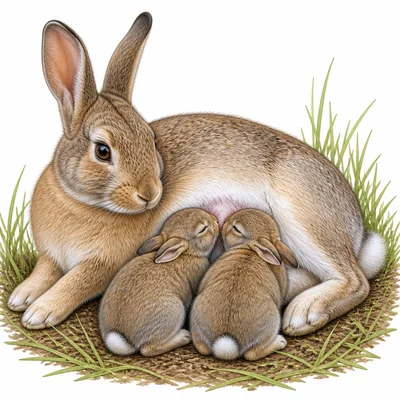
Name two traits that most mammals share.
- 3
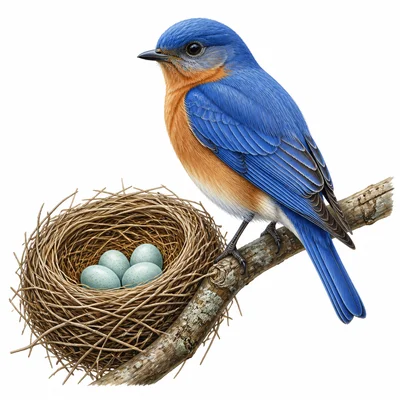
A bird has feathers, wings, a beak, and lays eggs. Which trait is found only in birds among the four groups in this worksheet?
- 4
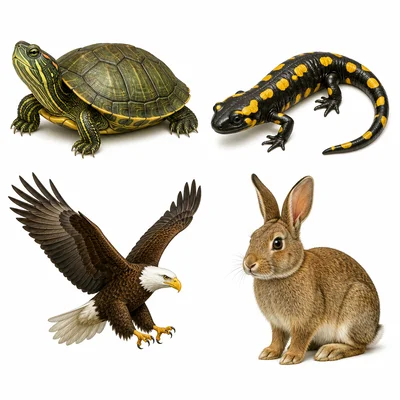
Sort these animals into their correct groups: turtle, salamander, eagle, rabbit.
- 5
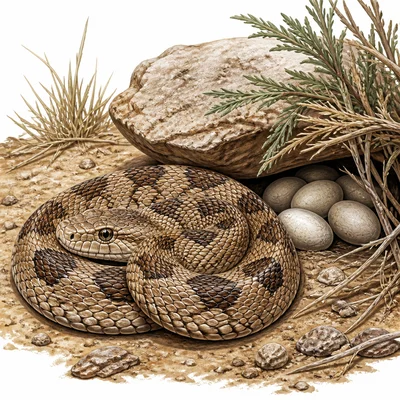
A snake has dry scales, breathes air with lungs, and lays eggs on land. Which animal group does it belong to?
- 6
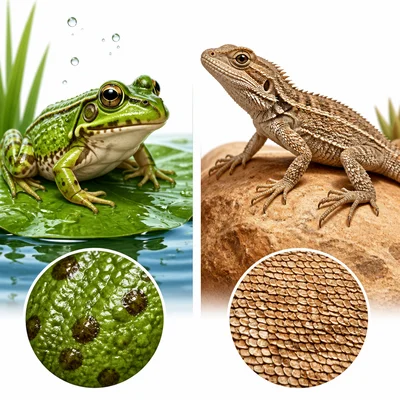
Compare amphibian skin and reptile skin. How are they different?
- 7
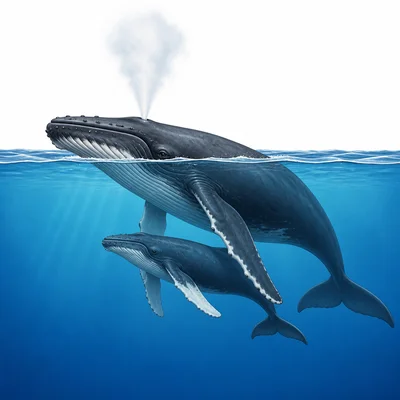
A whale lives in the ocean and has fins, but it breathes air and feeds milk to its baby. Is a whale a fish or a mammal? Explain.
- 8
Fill in the blank: Birds are warm-blooded animals with feathers. Reptiles are usually cold-blooded animals with dry ______.
- 9
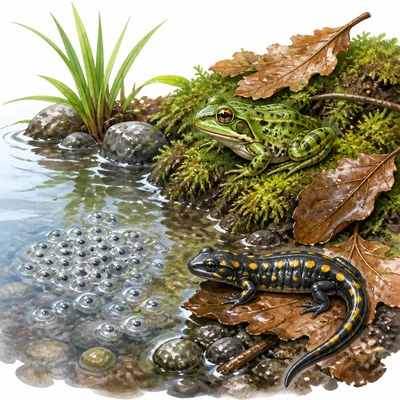
Why do many amphibians need to live near water or in damp places?
- 10
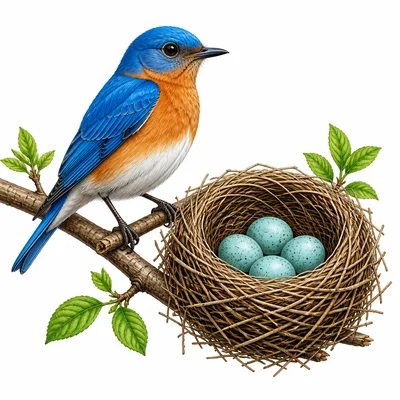
Look at these clues: has feathers, lays hard-shelled eggs, has a beak, and is warm-blooded. What animal group matches all of these clues?
- 11
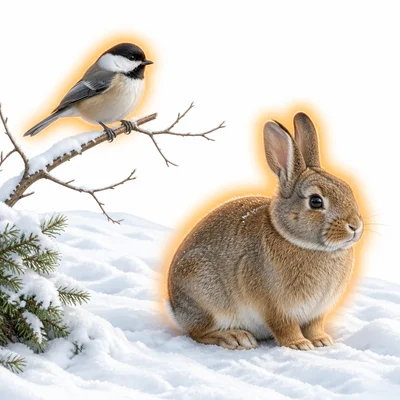
Which two groups in this worksheet are warm-blooded, and what does warm-blooded mean?
- 12
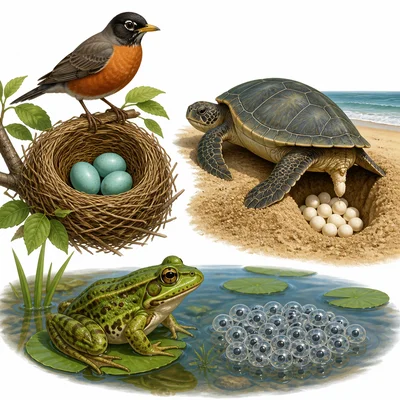
A student says, 'All animals that lay eggs are birds.' Explain why this is not correct.
- 13
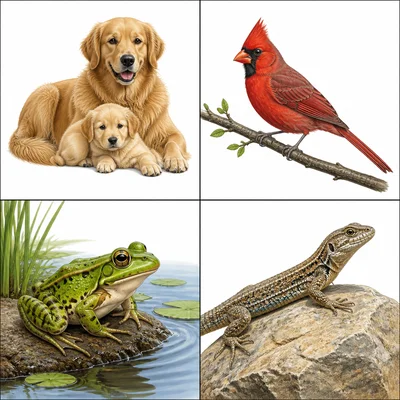
Use the chart clues to identify each animal group: Group A has hair or fur and feeds milk to young. Group B has feathers. Group C has moist skin and often starts life in water. Group D has dry scales. Name Groups A, B, C, and D.
- 14
Choose one animal from each group: reptile, amphibian, bird, and mammal. Write the animal names and one trait for each.
- 15
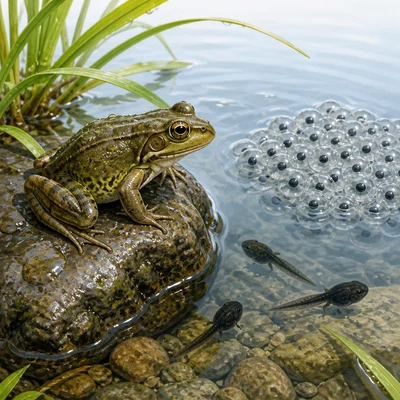
An animal has a backbone, is cold-blooded, has moist skin, and lays jelly-like eggs in water. Which group is it most likely part of, and why?