Habitat Rescue Challenge
Animals have been displaced from their homes. Pick each animal, choose the right habitat, and make sure it has everything it needs to survive. Learn what food, water, shelter, and space mean for real wildlife.
Step 1.Pick an animal to rescue
Reference Guide
What Is a Habitat?
A habitat is the place where an animal lives and finds everything it needs to survive.
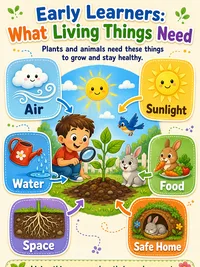
Every habitat must provide four things for the animals that live there.
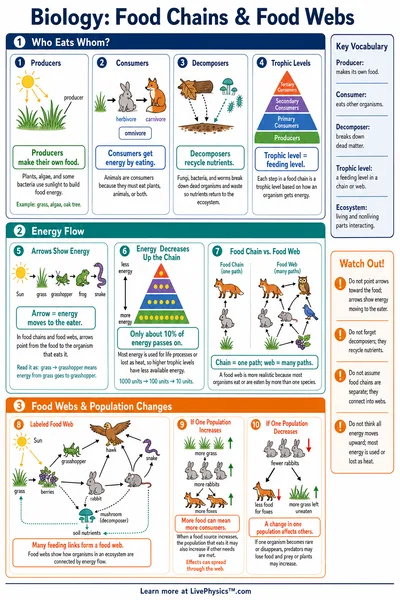
- Food. Animals need plants, other animals, or both as food sources.
- Water. All living things need fresh or salt water depending on the species.
- Shelter. Dens, nests, burrows, and dense plants protect animals from weather and predators.
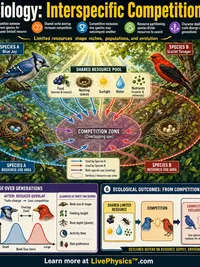
- Space. Animals need enough room to roam, hunt, or breed without competing too much.
Four Types of Habitats
Forest. Dense trees provide food, shade, and hiding spots. Deer, bears, eagles, and owls call forests home.
Wetland. Shallow water and marsh plants support frogs, herons, turtles, and many insects. Wetlands filter water naturally.
Grassland. Open plains of grasses support large herds of bison, rabbits, prairie dogs, and hawks that soar above.
Ocean. The largest habitat on Earth. Sea turtles, crabs, dolphins, and thousands of fish species live in ocean waters.
Adaptations
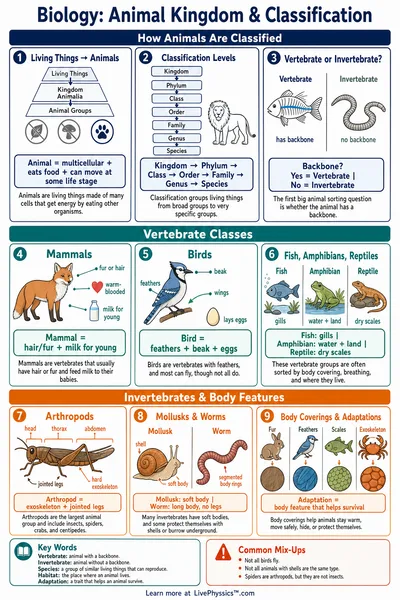
An adaptation is a body feature or behavior that helps an animal survive in its specific habitat.
Animals that are well-suited to their habitat are said to be adapted to it. Placing an animal in the wrong habitat means its adaptations no longer help it survive.
- Webbed feet. Frogs and herons have feet shaped for walking in shallow mud and water.
- Streamlined shells. Sea turtles have flat shells and flippers suited to swimming. They move less easily on land.
- Wide hooves. Bison have strong hooves that grip grass and soil in open plains.
- Sharp talons. Eagles grip tree branches and catch prey in forest clearings and open skies.
When Habitats Are Threatened
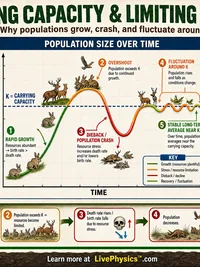
When a habitat is damaged or destroyed, the animals that depend on it are displaced. This means they lose access to their food, water, shelter, and space all at once.
Habitat loss is the biggest cause of species decline worldwide. Forests are cut down, wetlands are drained, and grasslands are turned into farms and cities.
Conservation efforts protect habitats by creating wildlife reserves, restoring wetlands, and replanting forests. Every protected habitat gives displaced animals a chance to recover.
Simple actions help too. Planting native plants in your yard, reducing pollution, and supporting conservation organizations all make a difference for wild animals.