Practice identifying and explaining mutualism, commensalism, and parasitism using real ecological examples, evidence, and effect symbols.
Read each scenario carefully. Identify the type of symbiosis when asked, and explain your reasoning using evidence about how each organism is affected.
Classifying ecological relationships by costs and benefits
Biology - Grade 9-12
- 1
Define symbiosis in ecology. Then describe how mutualism, commensalism, and parasitism differ from one another.
- 2
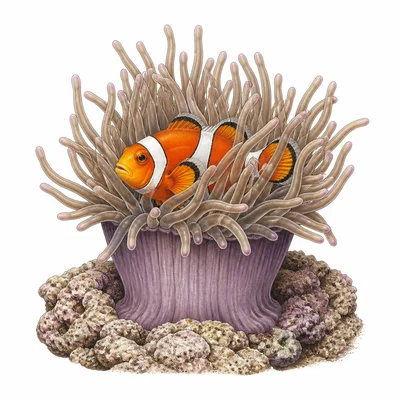
Clownfish live among sea anemone tentacles. The clownfish gain protection from predators, and the anemone may gain nutrients from clownfish waste and protection from some anemone-eating fish. Classify this relationship and explain your evidence.
- 3
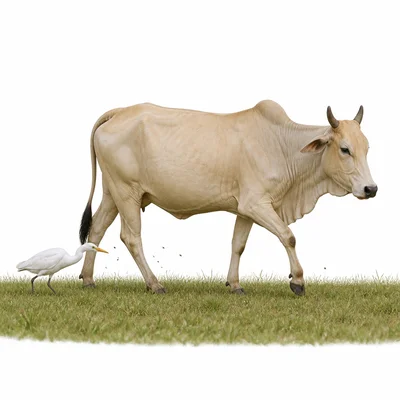
A cattle egret follows grazing cattle and eats insects that are stirred up by the cattle's movement. The egret gets food, and the cattle are not clearly helped or harmed. Classify this relationship and explain your reasoning.
- 4
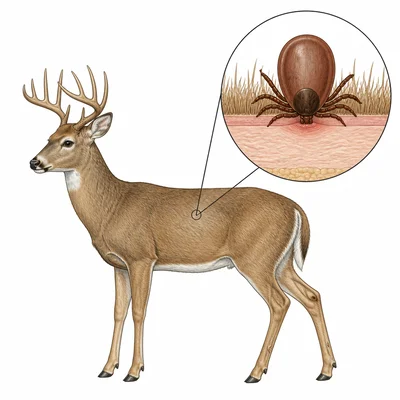
A tick attaches to a deer and feeds on the deer's blood. The tick gains nutrients, while the deer loses blood and may be exposed to disease. Classify this relationship and explain your reasoning.
- 5
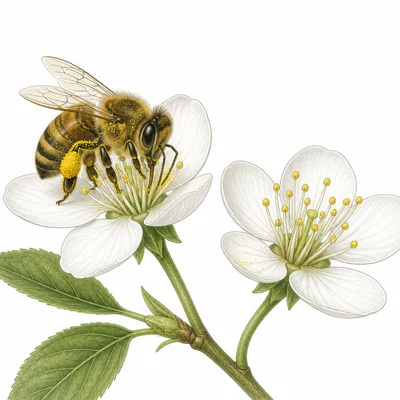
Many flowering plants provide nectar to bees. Bees collect nectar and pollen for food, and pollen is transferred between flowers during the visit. Classify this relationship using effect symbols for each organism.
- 6
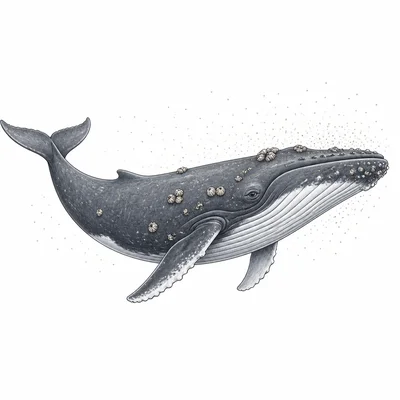
Barnacles attach to the skin of a whale and are carried to areas with more plankton. In many cases, the whale is not noticeably helped or harmed. Classify this relationship, and include a caution about why this classification might change with new evidence.
- 7
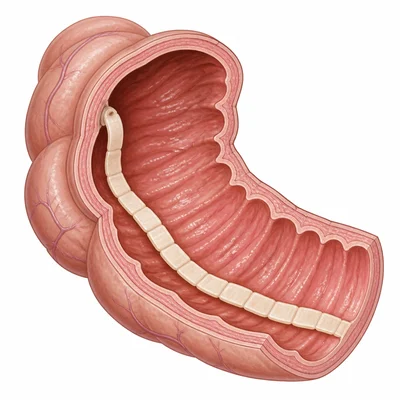
A tapeworm lives in the intestine of a human. It absorbs nutrients from digested food, and the human may suffer malnutrition, pain, or weakness. Classify this relationship and identify the parasite and the host.
- 8
Complete the effect-symbol table for the three types of symbiosis: mutualism, commensalism, and parasitism. Use + for benefit, 0 for no clear effect, and - for harm.
- 9
A student says, "Predation is the same as parasitism because one organism benefits and the other is harmed." Explain why this statement is incomplete or inaccurate.
- 10
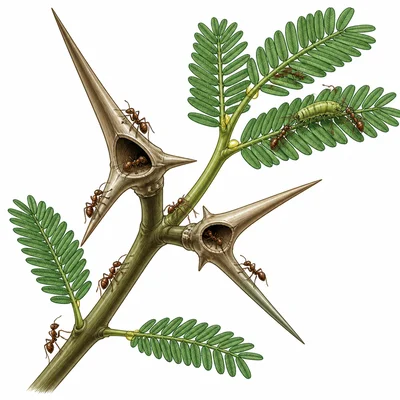
Acacia trees provide hollow thorns for ants to live in and produce nectar that ants eat. The ants attack insects and animals that try to feed on the tree. Classify this relationship and explain how each species benefits.
- 11
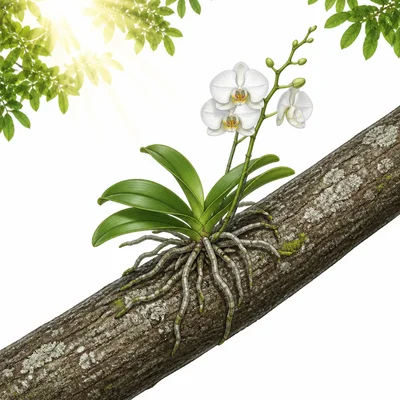
In a forest, an orchid grows attached to a tree branch. The orchid gains better access to sunlight, and the tree is not significantly affected because the orchid does not take nutrients from it. Classify this relationship and explain why it is not parasitism.
- 12
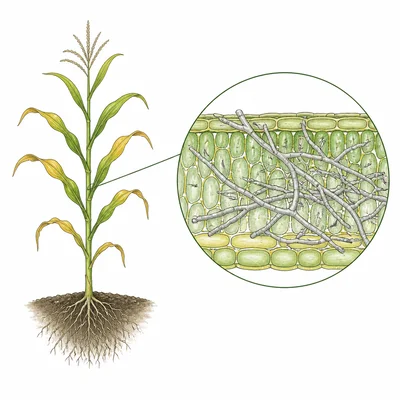
A fungus infects a crop plant and absorbs sugars from the plant's tissues. The fungus grows and reproduces, while the plant has yellow leaves, reduced growth, and lower seed production. Classify this relationship and describe the evidence for harm.
- 13
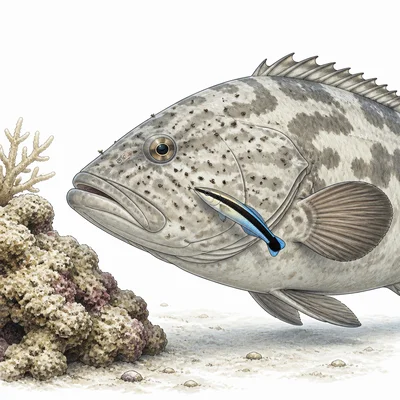
Researchers remove cleaner fish from one section of a reef but leave them in another section. Fish in the section without cleaner fish develop more parasites and spend more time scratching against rocks. What type of relationship is suggested between cleaner fish and their client fish? Explain your reasoning.
- 14
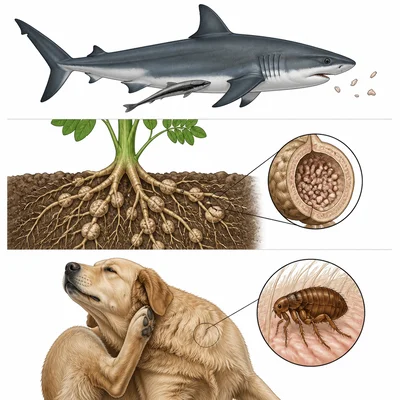
Classify each interaction as mutualism, commensalism, or parasitism: a remora fish rides on a shark and eats scraps without a clear effect on the shark; nitrogen-fixing bacteria live in legume root nodules and provide usable nitrogen while receiving sugars; a flea feeds on a dog and causes itching.
- 15
Design a short investigation to test whether a suspected symbiotic relationship is mutualistic rather than commensal. Include the independent variable, one dependent variable, and the type of evidence that would support mutualism.