Practice identifying vertebrates and invertebrates, comparing animal groups, and using body features to classify living things.
Read each problem carefully. Use animal features as evidence in your answers. Show your work or explain your thinking in the space provided.
Classifying animals by backbone and body features
Biology - Grade 4-5
- 1
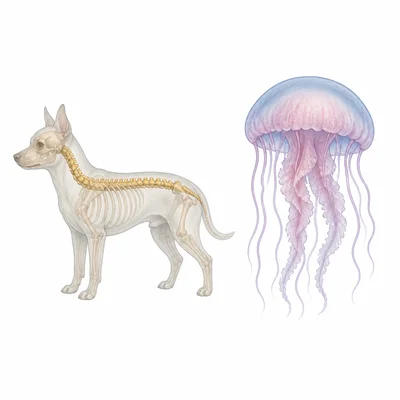
What is the main difference between a vertebrate and an invertebrate?
- 2
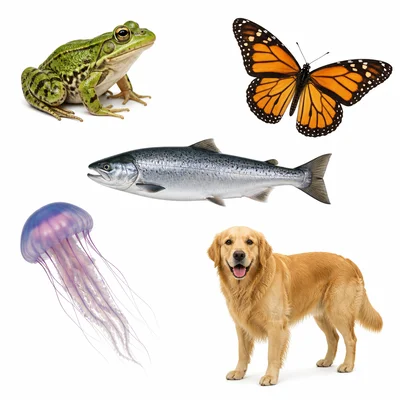
Classify each animal as a vertebrate or invertebrate: frog, butterfly, salmon, jellyfish, dog.
- 3
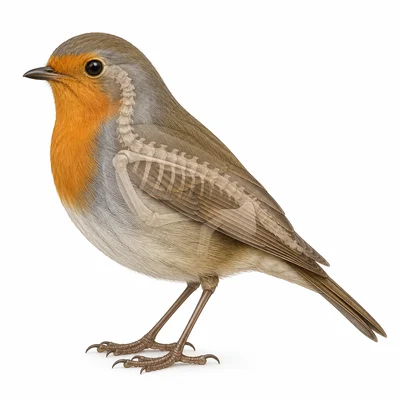
A scientist finds an animal with feathers, a beak, wings, and a backbone. Is this animal a vertebrate or an invertebrate? Explain.
- 4
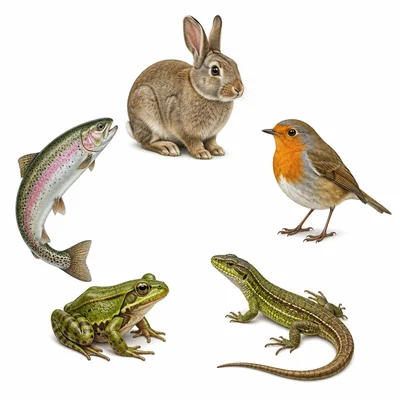
Name the five main groups of vertebrates.
- 5
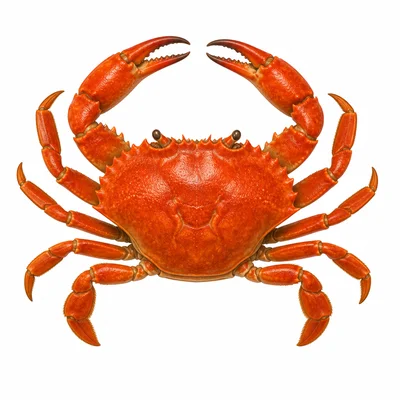
A crab has a hard outer shell, jointed legs, and no backbone. Is it a vertebrate or an invertebrate? What animal group does it belong to?
- 6
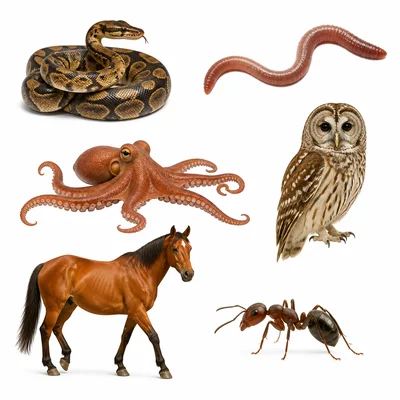
Sort these animals into two groups: snake, earthworm, owl, octopus, horse, ant.
- 7
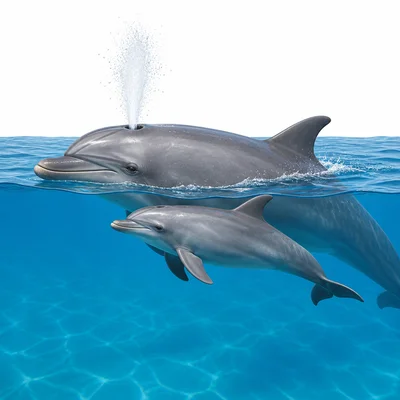
A dolphin lives in the ocean and has fins, but it breathes air and feeds milk to its young. Is a dolphin a fish or a mammal? Explain.
- 8
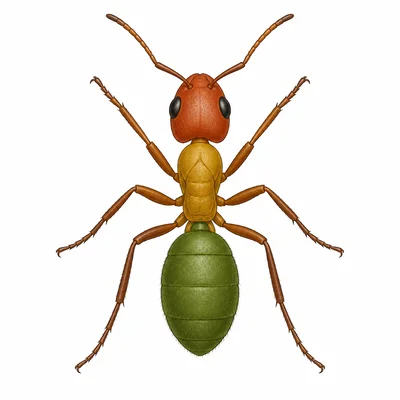
Look at an insect body plan. What three body parts do most adult insects have?
- 9
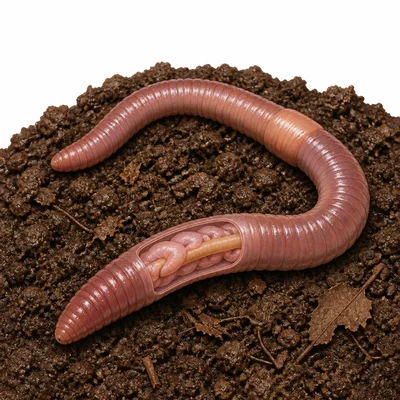
Explain why a worm is not classified as a vertebrate.
- 10
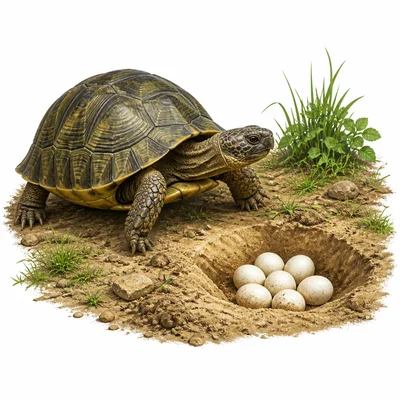
A turtle has dry scaly skin, lays eggs on land, and has a backbone. Which vertebrate group does it belong to?
- 11
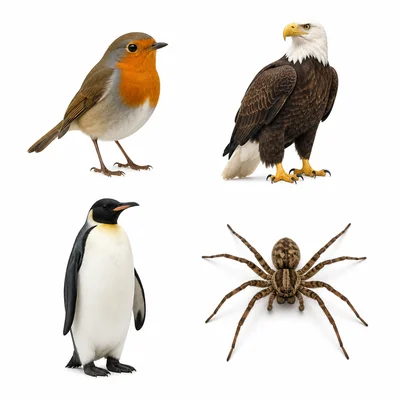
Choose the animal that does not belong in this vertebrate group: robin, eagle, penguin, spider. Explain your choice.
- 12
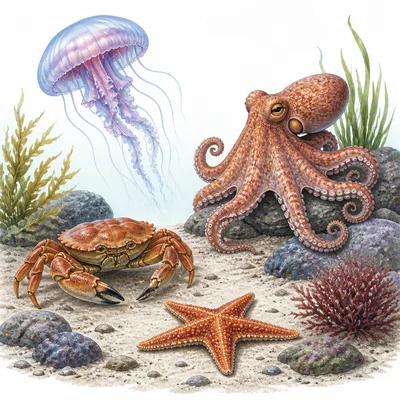
Give two examples of invertebrates that live in water.
- 13
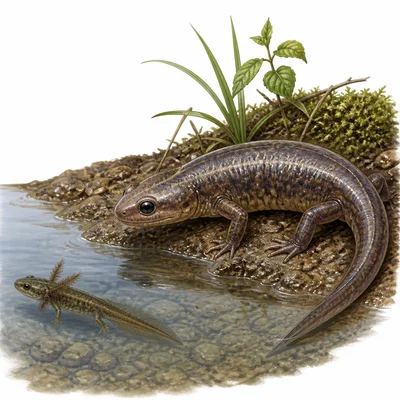
A salamander begins life in water, later lives on land and in wet places, has moist skin, and has a backbone. Which vertebrate group does it belong to?
- 14
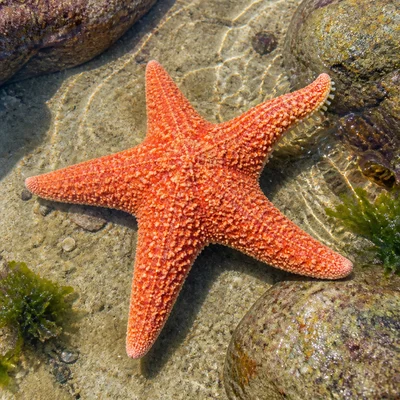
Why can a sea star be confusing to classify, and why is it an invertebrate?
- 15
Create a classification rule that would help a younger student decide if an unknown animal is a vertebrate or an invertebrate.