Practice identifying renewable and non-renewable energy sources and explaining how energy choices affect people and the environment.
Read each problem carefully. Use complete sentences when explaining your thinking. Show your work in the space provided.
Comparing energy sources, impacts, and sustainability
Environmental Science - Grade 6-8
- 1
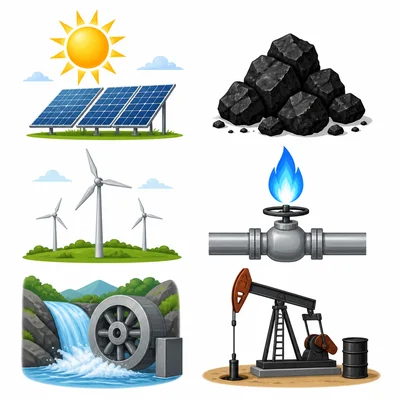
Classify each energy source as renewable or non-renewable: solar, coal, wind, natural gas, hydropower, and oil.
- 2
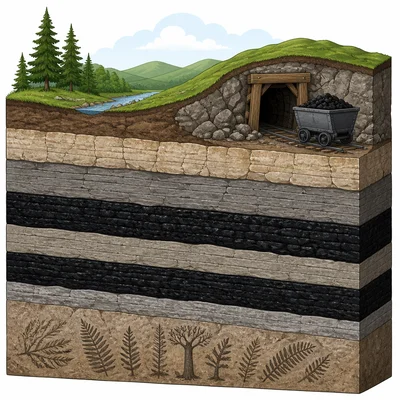
Explain why coal is considered a non-renewable energy source.
- 3
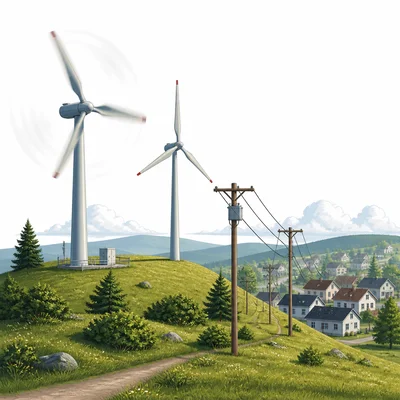
A town gets most of its electricity from wind turbines. Name one advantage and one challenge of using wind energy.
- 4
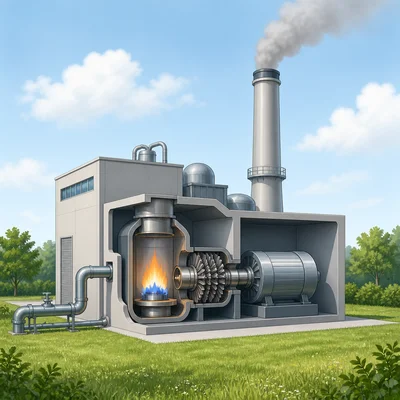
A power plant burns natural gas to make electricity. Describe one environmental impact of using natural gas.
- 5
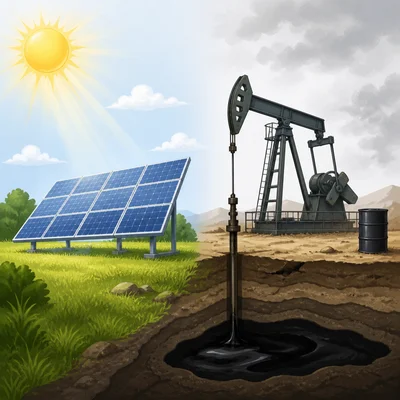
Compare solar energy and oil by explaining which one is renewable and which one is non-renewable.
- 6
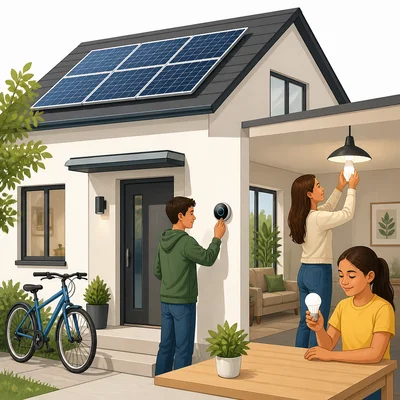
A family wants to reduce its use of non-renewable energy at home. List two actions the family could take.
- 7
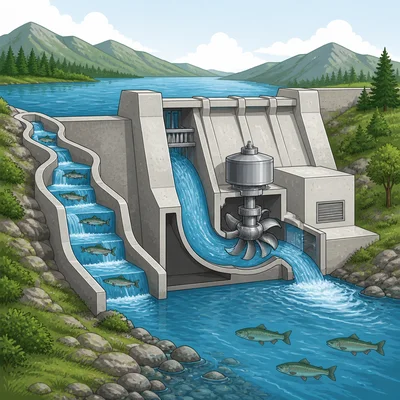
Hydropower uses moving water to generate electricity. Explain why hydropower is renewable, and describe one possible environmental concern.
- 8
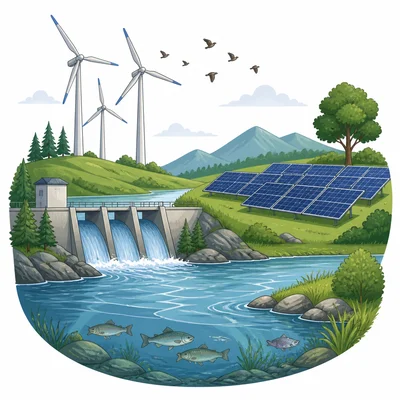
A student says, "Renewable energy sources never harm the environment." Explain why this statement is not fully correct.
- 9
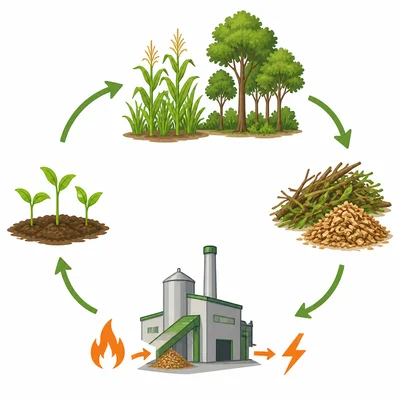
Biomass energy can come from wood, crops, or plant waste. Explain why biomass can be renewable if it is managed carefully.
- 10
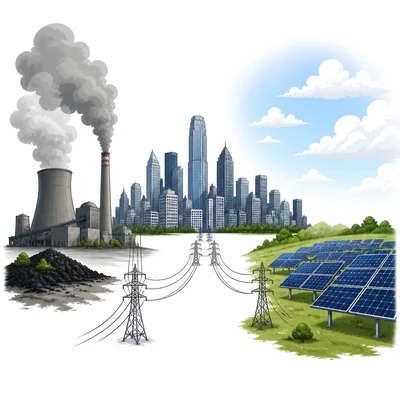
A city currently uses a coal power plant. It plans to replace part of its electricity supply with solar panels. Describe one way this change could affect air pollution and one way it could affect energy reliability.
- 11
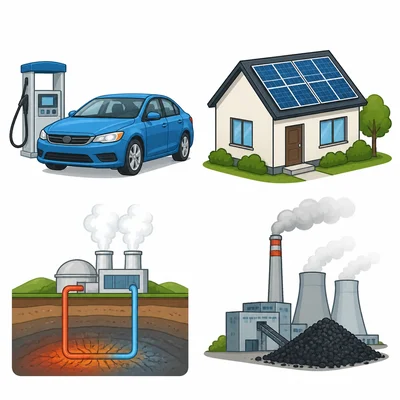
Sort these examples into two groups: a gasoline car, a home with rooftop solar panels, a geothermal power plant, and a coal-fired power plant.
- 12
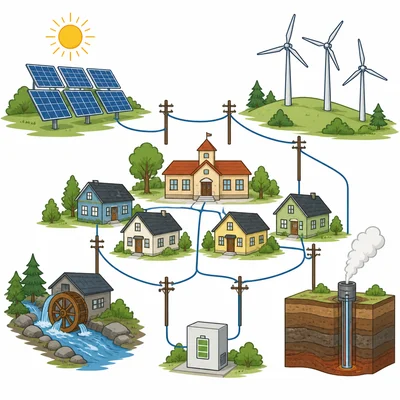
Explain why using a mix of different renewable energy sources can be helpful for a community.