Energy Skate Park Lab
Launch a skater from any height and watch kinetic and potential energy interchange in real time. Explore energy conservation on three different tracks, then switch on friction to see how mechanical energy converts to heat.
Guided ExperimentDoes Mass Affect Speed at the Bottom?
If you launch a heavier skater from the same height, do you predict it will be faster, slower, or the same speed at the bottom compared to a lighter skater?
Write your hypothesis in the Lab Report panel, then click Next.
Controls
Track
Skater Mass
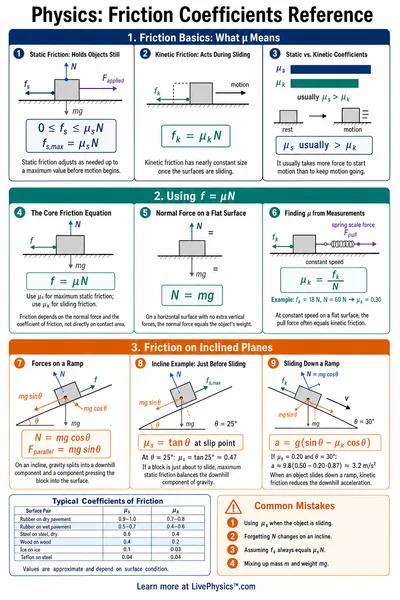
Friction
Energy Readout
Kinetic Energy
0 J
Potential Energy
1.5 kJ
Total Energy
1.5 kJ
Height
2.61 m
Speed
0.00 m/s
Energy vs Time
Data Table
(0 rows)| # | Trial | Track | Mass(kg) | Launch Height(m) | Friction | Max Speed(m/s) | Energy Lost(J) |
|---|
Reference Guide
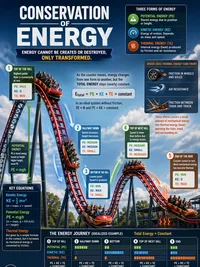
Conservation of Energy
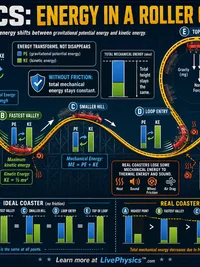
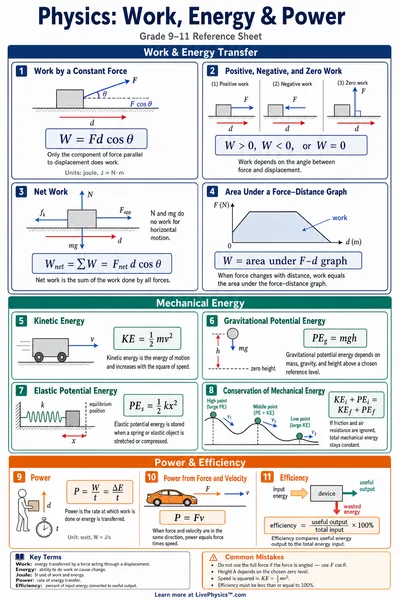
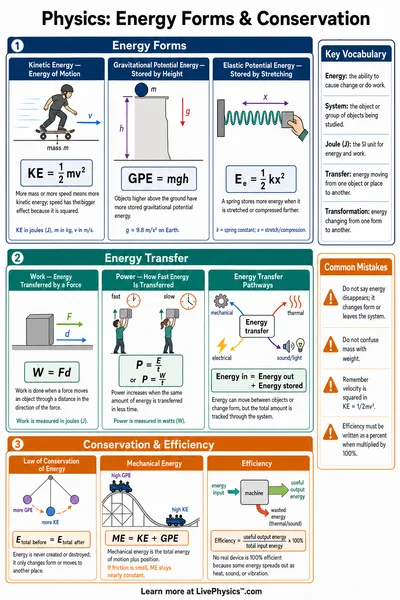
In a frictionless system, total mechanical energy is constant. As the skater descends, potential energy converts to kinetic energy and vice versa.
The total energy line on the graph stays perfectly flat when friction is off, confirming conservation of mechanical energy.
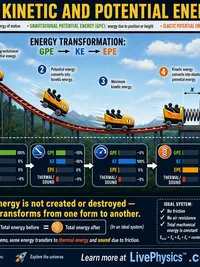
Kinetic and Potential Energy
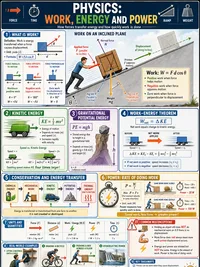
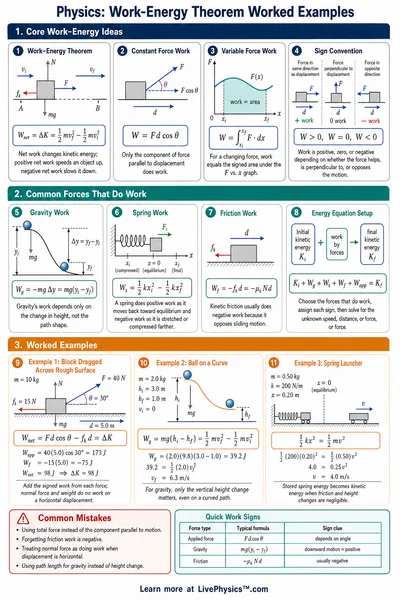
Kinetic energy depends on mass and speed. Potential energy depends on mass and height.
Notice that mass cancels when converting between KE and PE, so the speed at the bottom is the same regardless of mass.
Friction and Heat
Friction converts mechanical energy into thermal energy. Each oscillation the skater loses a small amount of energy to heat, and the amplitude slowly decreases.
The total energy line slopes downward when friction is on. Increasing the friction coefficient speeds up the energy loss.
Loop-the-Loop Condition
To complete a loop of radius r, the skater must have enough speed at the top so centripetal acceleration equals gravity.
For the 1.5 m radius loop in this lab, the minimum launch height is 3.75 m. Launch below that and the skater cannot complete the loop.