Understanding Consumer Credit Lab
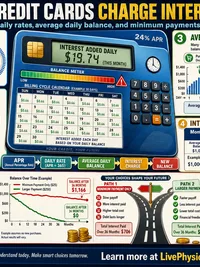
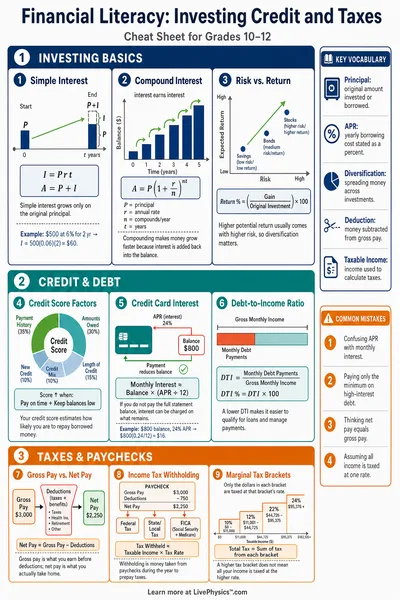
APR is a yearly rate, but interest on many credit cards is added each day or each month. The lender turns the annual rate into a smaller periodic rate, then applies it to the balance that remains. This means interest can begin earning interest when it is not paid off.
A rate that seems small on an advertisement can produce a large charge over many billing cycles. When comparing offers, check whether the APR is fixed or variable. A variable APR can rise when a published benchmark rate changes, making a payment plan less predictable.
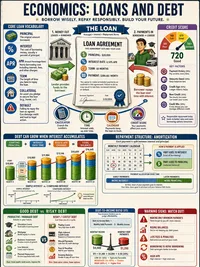
A loan payment has two jobs. One part pays the interest that has built up, while the rest reduces the amount originally borrowed. Early in a long loan, a surprisingly large share of each payment may go to interest because the balance is still high.
As the balance falls, less interest is charged and more of the same payment reaches the principal. This pattern is called amortization. It explains why making extra payments near the start of a loan usually saves more money than making the same extras near the end.
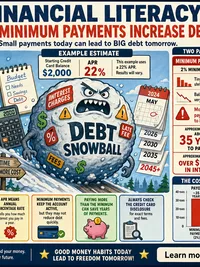
Credit card minimum payments are often set as a small percentage of the balance, sometimes with a minimum dollar amount. When the balance is large, that payment may barely exceed the interest for the month. The debt then shrinks very slowly, and the required minimum usually becomes smaller over time.
Paying only the minimum can therefore stretch one purchase into years of payments. Students should look at the statement section that estimates payoff time and total cost, since it shows the practical effect of choosing a higher payment.
With several debts, the avalanche method sends extra money to the balance with the highest interest rate first. This usually produces the lowest total interest cost if all required minimums are paid on every debt. The snowball method sends extra money to the smallest balance first.
It may cost more overall, but quick account closures can help some people stay motivated and avoid missed payments. A fair comparison keeps the same total monthly payment in both plans and records the month each debt disappears, the interest paid, and the final payoff date.
Real borrowing decisions include more than the advertised APR. Some loans charge an origination fee, late fee, annual fee, balance transfer fee, or prepayment penalty. A zero percent introductory offer can be useful, but the regular rate may apply after the promotion ends, and a missed payment can end the offer early.
For each scenario, separate the amount borrowed from every fee and from total interest. This prevents a low rate from hiding an expensive loan.
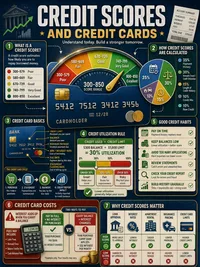
Good credit use depends on timing as much as arithmetic. Paying by the due date avoids late fees, while paying the full statement balance by that date can avoid purchase interest on many cards. Using most of a card limit can affect credit scores even when payments are on time.
Autopay can prevent missed due dates, but it still needs enough money in the bank. A budget should leave room for regular bills, savings, and unexpected costs before a new payment is accepted.