Practice identifying macronutrients and micronutrients, explaining their roles, and choosing balanced foods that support health.
Read each problem carefully. Write complete answers and explain your thinking when asked.
Understanding the nutrients your body needs in large and small amounts
Health - Grade 6-8
- 1
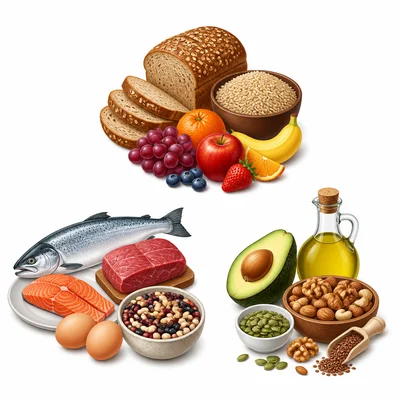
List the three main macronutrients and explain why they are called macronutrients.
- 2
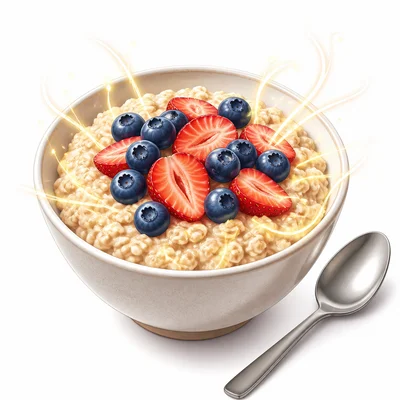
A student eats oatmeal with berries for breakfast. Which macronutrient is the main source of quick energy in this meal, and why?
- 3
Explain one important job of protein in the body and give one food that is a good source of protein.
- 4
A food label shows that one serving has 12 grams of fat. Explain why fat is not automatically unhealthy.
- 5
Define micronutrients and give two examples.
- 6
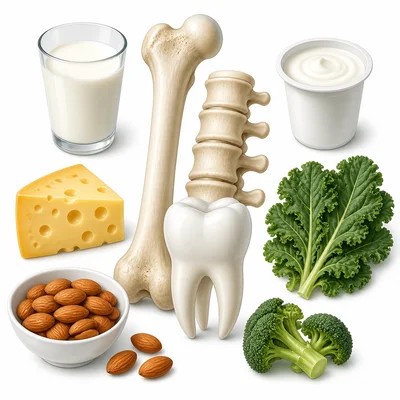
Calcium is a mineral that helps build strong bones and teeth. Name two foods or drinks that can provide calcium.
- 7
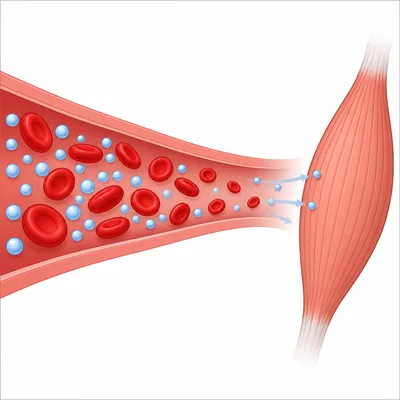
Iron helps red blood cells carry oxygen. Explain why a person who does not get enough iron may feel tired.
- 8
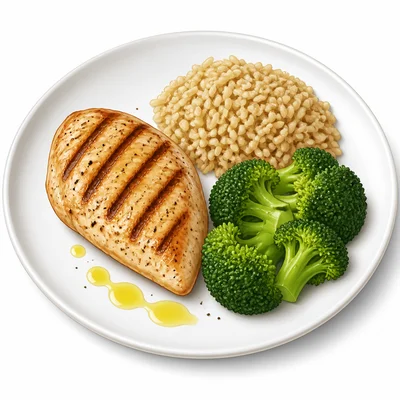
A lunch includes grilled chicken, brown rice, broccoli, and a small amount of olive oil. Identify one macronutrient and one micronutrient likely found in this meal.
- 9

Choose the more nutrient-dense snack: a candy bar or an apple with peanut butter. Explain your choice.
- 10

Explain the difference between added sugars and naturally occurring sugars. Give one example of each.
- 11
A student says, 'Vitamins give you energy, so taking extra vitamins is the same as eating enough food.' Explain why this statement is incorrect.
- 12
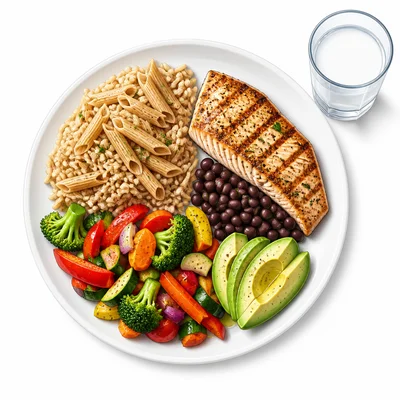
Plan a balanced dinner that includes carbohydrates, protein, fat, and at least two micronutrients. Name the foods and identify the nutrients they provide.