Practice explaining how alcohol, nicotine, cannabis, opioids, stimulants, and other drugs can affect the brain, body systems, decision-making, and long-term health.
Read each problem carefully. Answer in complete sentences and use health vocabulary when possible.
How substances affect body systems, behavior, and safety
Health - Grade 9-12
- 1
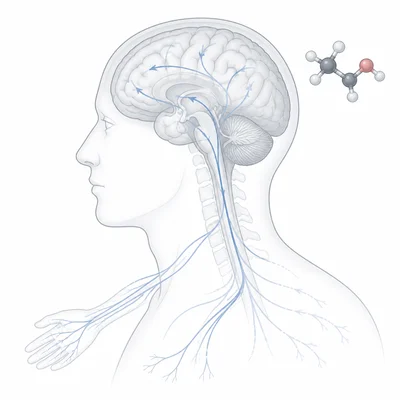
Alcohol is a depressant. Explain what that means and describe two effects alcohol can have on the brain or nervous system.
- 2
A student says, "I can drive safely after two drinks because I do not feel drunk." Explain why this belief is dangerous.
- 3
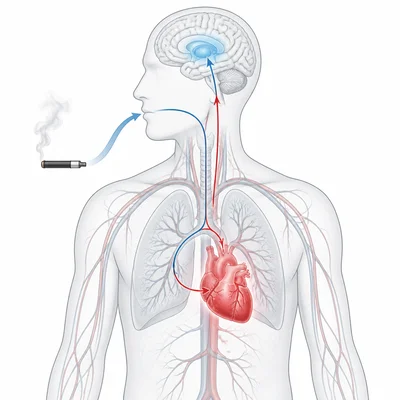
Describe how nicotine affects the body in the short term and explain why it can become addictive.
- 4
List three possible long-term health effects of smoking or vaping nicotine products.
- 5
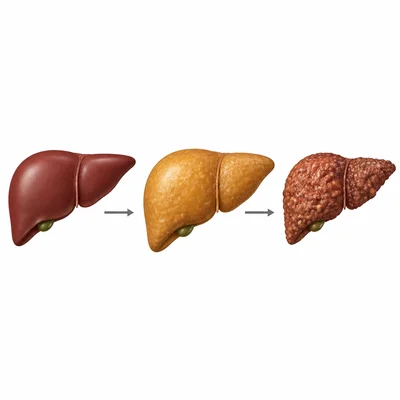
Explain how alcohol use can affect the liver over time.
- 6
Cannabis can affect attention, memory, and coordination. Explain how these effects could create problems at school, work, or while driving.
- 7
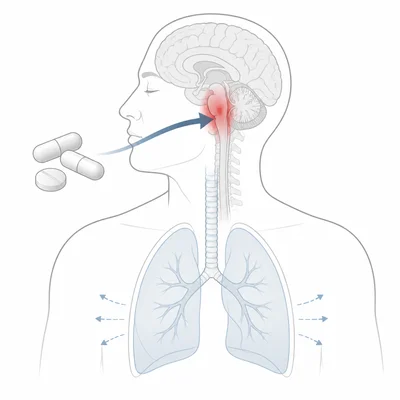
Opioids are sometimes prescribed for severe pain. Explain why taking opioids in a way not prescribed is dangerous.
- 8
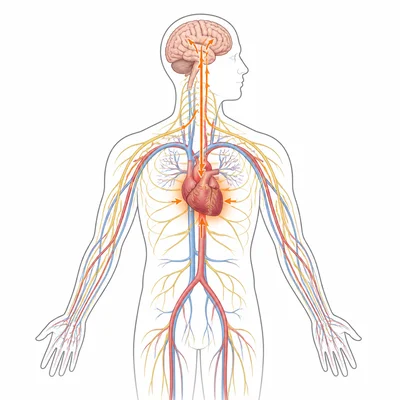
Stimulants increase activity in the nervous system. Name two body systems stimulants can affect and describe one possible effect on each.
- 9
Explain the difference between tolerance, dependence, and addiction.
- 10
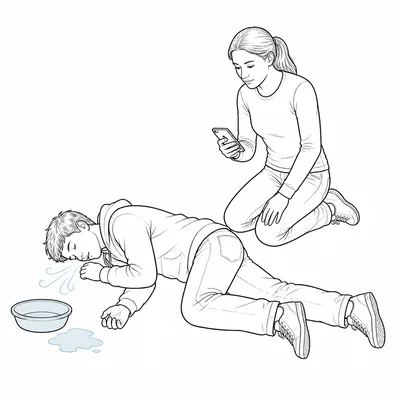
A friend at a party is very confused, vomiting, breathing slowly, and cannot stay awake after using substances. What should you do, and why?
- 11
Explain why mixing alcohol with other drugs can be more dangerous than using one substance alone.
- 12
Identify two healthy refusal or safety strategies a teen could use when pressured to use drugs or alcohol.