Independent Grade 2–3 classroom reading review and extension practice with mixed written response formats. Curriculum coverage is partial; this packet is not an official Star simulation or a prediction of scores.
Read each passage or question carefully. Choose the best answer or write a complete answer. Show your thinking in the space provided.
Independent Grade 2–3 classroom review and extension practice
Language Arts - Grade 2-3
- 1
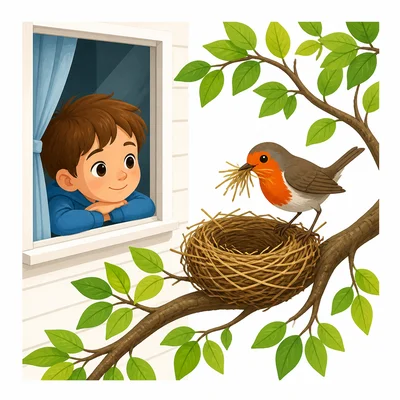
Read the passage. Lila saw a robin building a nest in the tree by her window. The robin carried tiny sticks and dry grass in its beak. Lila watched quietly so she would not scare the bird. By the end of the week, the nest looked round and strong. What is the main idea of the passage? A. Lila wants a pet bird. B. A robin builds a nest near Lila's window. C. The tree is too tall. D. Lila picks up sticks in the yard.
- 2
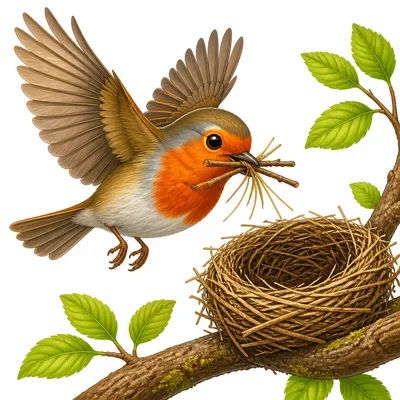
Read the passage. Lila saw a robin building a nest in the tree by her window. The robin carried tiny sticks and dry grass in its beak. Lila watched quietly so she would not scare the bird. By the end of the week, the nest looked round and strong. What materials did the robin carry?
- 3
Read the sentence from the passage. Lila watched quietly so she would not scare the bird. What does the word quietly mean in this sentence? A. Without making much noise B. Very quickly C. With a loud voice D. In a funny way
- 4
Read the passage. Lila saw a robin building a nest in the tree by her window. The robin carried tiny sticks and dry grass in its beak. Lila watched quietly so she would not scare the bird. By the end of the week, the nest looked round and strong. What can you tell about Lila?
- 5
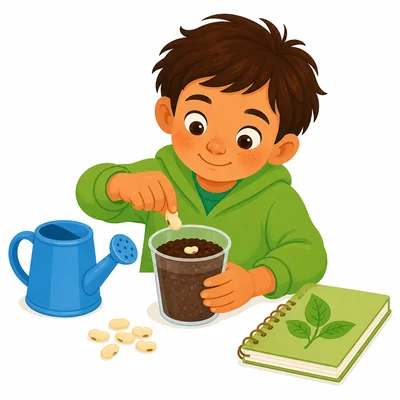
Read the passage. Omar planted three bean seeds in a cup of soil. Each morning, he gave the soil a little water. On Tuesday, nothing had changed. On Friday, a green sprout pushed up through the soil. Omar wrote the change in his seed journal. What happened first? A. Omar saw a sprout. B. Omar wrote in his journal. C. Omar planted three bean seeds. D. Omar watered the soil on Friday.
- 6
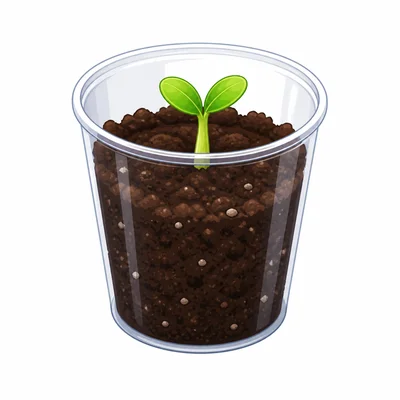
Read the sentence. On Friday, a green sprout pushed up through the soil. What is a sprout?
- 7
Read the passage. Omar planted three bean seeds in a cup of soil. Each morning, he gave the soil a little water. On Tuesday, nothing had changed. On Friday, a green sprout pushed up through the soil. Omar wrote the change in his seed journal. Why did Omar write in his seed journal?
- 8
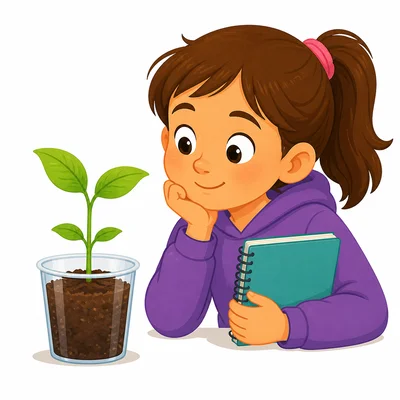
Which title best fits this passage? Omar planted three bean seeds in a cup of soil. Each morning, he gave the soil a little water. On Tuesday, nothing had changed. On Friday, a green sprout pushed up through the soil. Omar wrote the change in his seed journal. A. Omar's Soccer Game B. The Missing Cup C. Watching a Seed Grow D. A Trip to the Store
- 9
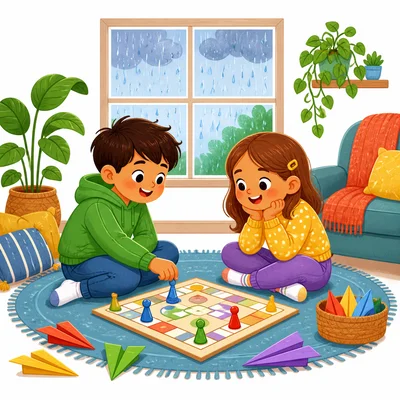
Read the poem. Rain taps softly on the roof. Drip, drop, splash, it sings. We play board games on the rug, And make paper wings. How do the children spend the rainy day?
- 10
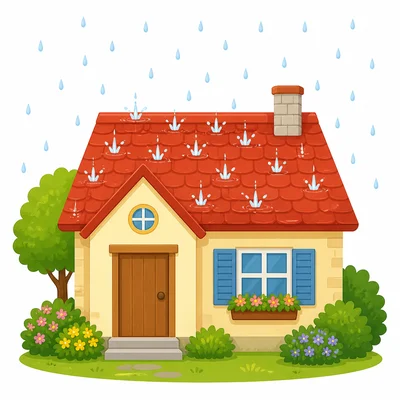
Read the line from the poem. Rain taps softly on the roof. What does taps mean in this line? A. Hits lightly B. Opens a door C. Runs very fast D. Falls asleep
- 11
Read the poem. Rain taps softly on the roof. Drip, drop, splash, it sings. We play board games on the rug, And make paper wings. Which words help you hear the rain?
- 12
Read the poem. Rain taps softly on the roof. Drip, drop, splash, it sings. We play board games on the rug, And make paper wings. Which two words rhyme?
- 13
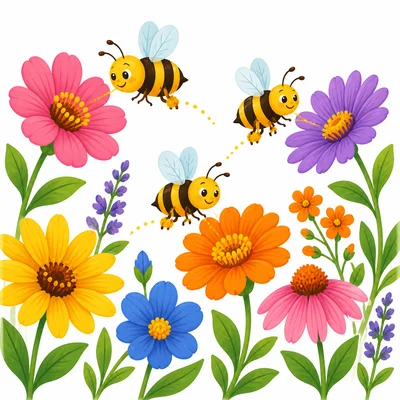
Read the article. Bees are small insects, but they do a big job. As bees fly from flower to flower, they collect nectar. They also carry pollen. This helps many plants make fruits and seeds. What is the main idea of the article?
- 14
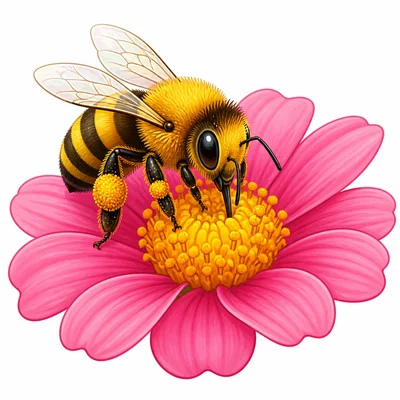
Read the article. Bees are small insects, but they do a big job. As bees fly from flower to flower, they collect nectar. They also carry pollen. This helps many plants make fruits and seeds. What do bees collect from flowers?
- 15
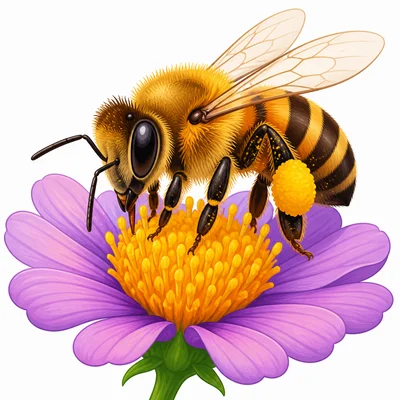
Read this caption text from a bee article: A bee carries pollen on its legs. What information does the caption text give the reader?
- 16
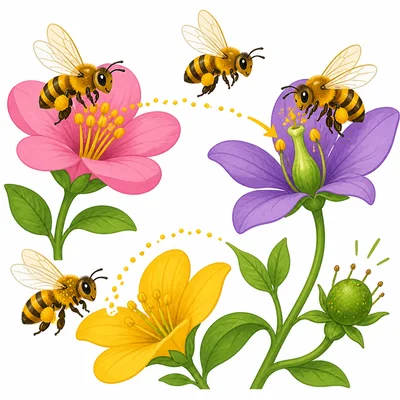
Read this sentence. Bees are small insects, but they do a big job. What does the author mean by big job?
- 17
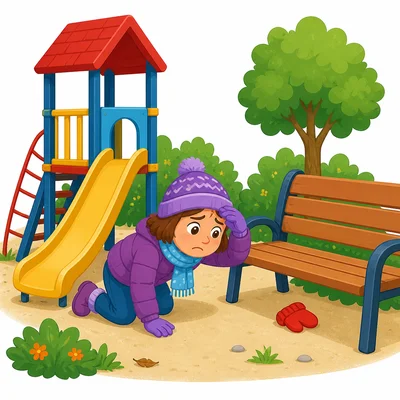
Read the story. Nina lost one red mitten at recess. She looked under the slide and behind the bench, but she could not find it. Her friend Cole noticed a red shape near the fence. He picked it up and waved it in the air. Nina smiled and thanked him. What problem does Nina have?
- 18
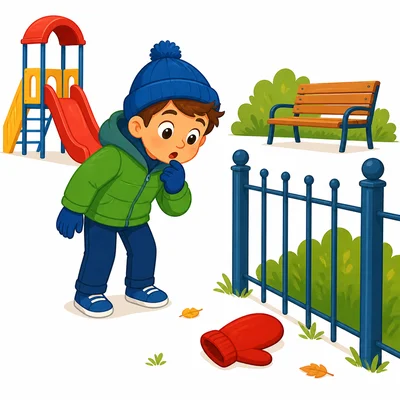
Read the story. Nina lost one red mitten at recess. She looked under the slide and behind the bench, but she could not find it. Her friend Cole noticed a red shape near the fence. He picked it up and waved it in the air. Nina smiled and thanked him. Where did Cole find the mitten?
- 19
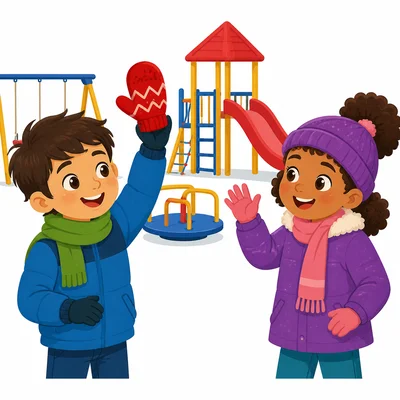
Read the story. Nina lost one red mitten at recess. She looked under the slide and behind the bench, but she could not find it. Her friend Cole noticed a red shape near the fence. He picked it up and waved it in the air. Nina smiled and thanked him. How does Cole help Nina?
- 20
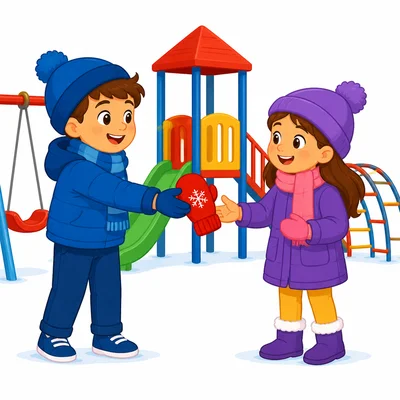
Read the story. Nina lost one red mitten at recess. She looked under the slide and behind the bench, but she could not find it. Her friend Cole noticed a red shape near the fence. He picked it up and waved it in the air. Nina smiled and thanked him. What lesson can the reader learn from the story?
- 21
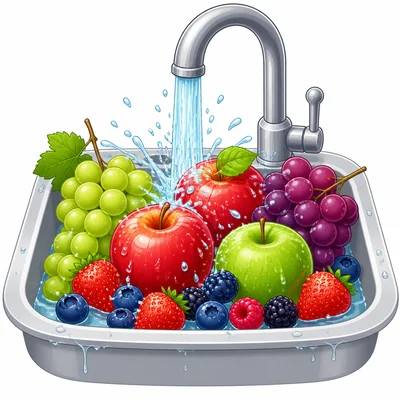
Read the directions. How to Make a Fruit Cup: First, wash the fruit. Next, cut the fruit into small pieces with help from an adult. Then, put the pieces in a bowl. Last, mix the fruit with a spoon. What should you do first?
- 22
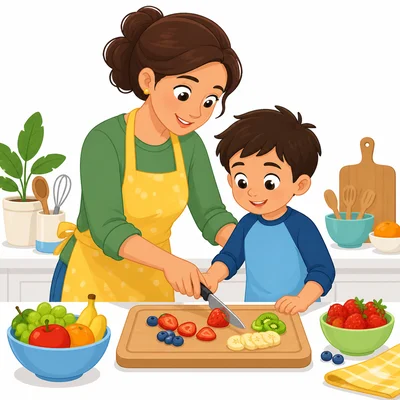
Read the directions. How to Make a Fruit Cup: First, wash the fruit. Next, cut the fruit into small pieces with help from an adult. Then, put the pieces in a bowl. Last, mix the fruit with a spoon. Why should a child get help from an adult when cutting fruit?
- 23
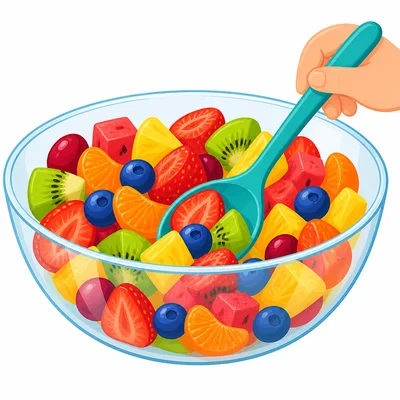
Read the directions. How to Make a Fruit Cup: First, wash the fruit. Next, cut the fruit into small pieces with help from an adult. Then, put the pieces in a bowl. Last, mix the fruit with a spoon. Which tool is used last?
- 24
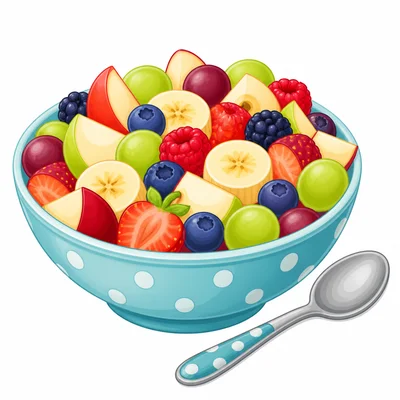
Which title best matches these directions? First, wash the fruit. Next, cut the fruit into small pieces with help from an adult. Then, put the pieces in a bowl. Last, mix the fruit with a spoon. A. How to Make a Fruit Cup B. How to Grow an Apple Tree C. How to Pack a Backpack D. How to Bake Bread
- 25
Read the library poster. Family Story Time: Saturday at 10:00 a.m. in the Blue Room. Join us for stories, songs, and a craft. Children may bring one stuffed animal. When is Family Story Time?
- 26
Read the library poster. Family Story Time: Saturday at 10:00 a.m. in the Blue Room. Join us for stories, songs, and a craft. Children may bring one stuffed animal. What is the purpose of the poster?
- 27
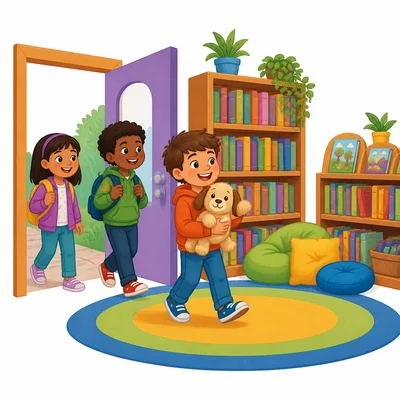
Read the library poster. Family Story Time: Saturday at 10:00 a.m. in the Blue Room. Join us for stories, songs, and a craft. Children may bring one stuffed animal. What may children bring?
- 28
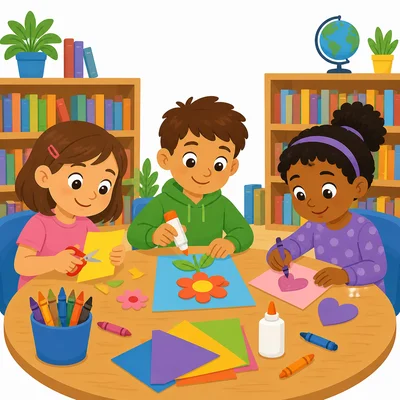
Read the library poster. Family Story Time: Saturday at 10:00 a.m. in the Blue Room. Join us for stories, songs, and a craft. Children may bring one stuffed animal. What will children probably do during the craft time?
- 29
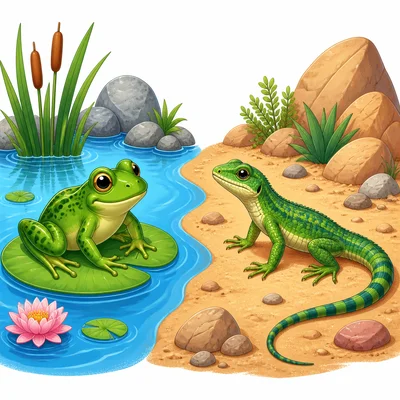
Read the passage. Frogs and lizards are both animals. Frogs have smooth, wet skin and often live near water. Lizards have dry, scaly skin. Unlike frogs, most lizards spend much of their time on land. How are frogs and lizards different?
- 30
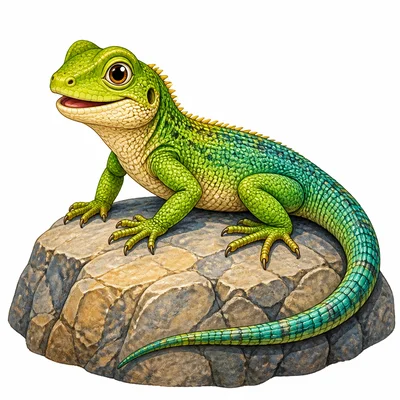
Read the passage. Frogs and lizards are both animals. Frogs have smooth, wet skin and often live near water. Lizards have dry, scaly skin. Unlike frogs, most lizards spend much of their time on land. What kind of skin do lizards have?
- 31
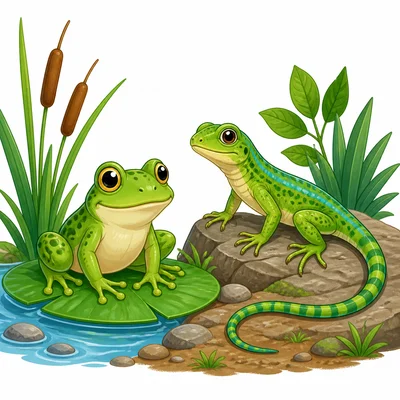
Read the passage. Frogs and lizards are both animals. Frogs have smooth, wet skin and often live near water. Lizards have dry, scaly skin. Unlike frogs, most lizards spend much of their time on land. How are frogs and lizards alike?
- 32
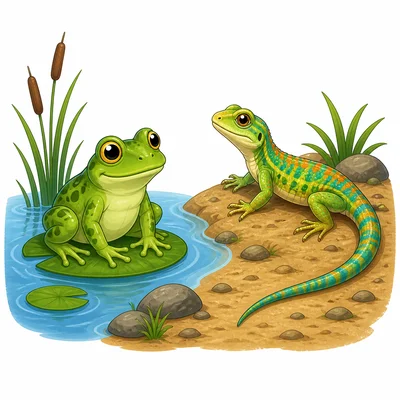
Read the sentence. Unlike frogs, most lizards spend much of their time on land. What does unlike mean in this sentence?
- 33
Read the letter. Dear Grandma, Thank you for the new blue backpack. I used it on our field trip to the park. It held my lunch, my water bottle, and my sketchbook. I drew a picture of a turtle by the pond. Love, Sam Why does Sam write the letter?
- 34
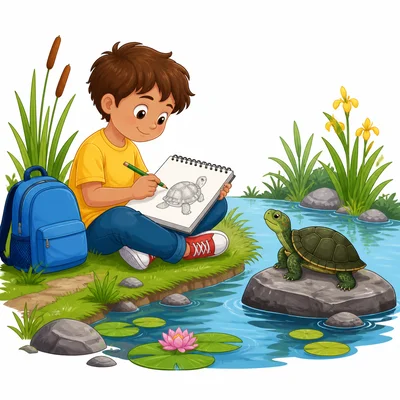
Read the letter. Dear Grandma, Thank you for the new blue backpack. I used it on our field trip to the park. It held my lunch, my water bottle, and my sketchbook. I drew a picture of a turtle by the pond. Love, Sam What did Sam draw?
- 35
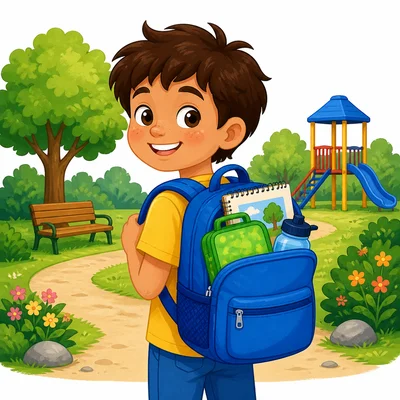
Read the letter. Dear Grandma, Thank you for the new blue backpack. I used it on our field trip to the park. It held my lunch, my water bottle, and my sketchbook. I drew a picture of a turtle by the pond. Love, Sam How does Sam probably feel about the backpack?
- 36
Read the letter. Dear Grandma, Thank you for the new blue backpack. I used it on our field trip to the park. It held my lunch, my water bottle, and my sketchbook. I drew a picture of a turtle by the pond. Love, Sam Which part is the closing of the letter?
- 37
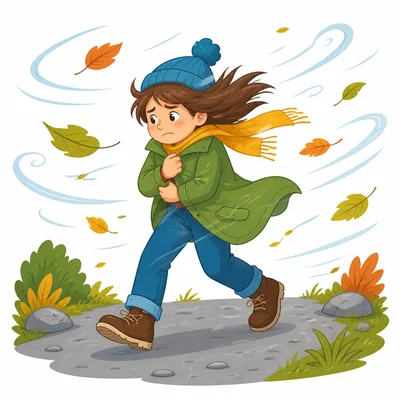
Read the folktale. The Wind and the Sun saw a traveler walking down the road. The Wind blew hard to make the traveler take off his coat, but the traveler held the coat tighter. Then the Sun shone warmly. Soon the traveler felt hot and took off his coat. Why did the traveler hold his coat tighter?
- 38
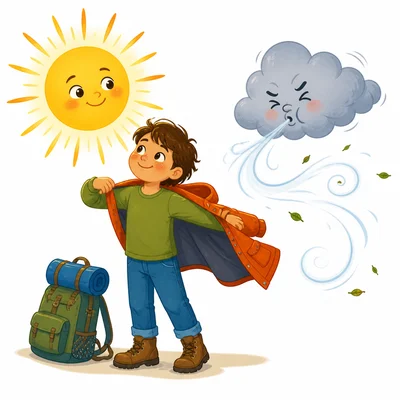
Read the folktale. The Wind and the Sun saw a traveler walking down the road. The Wind blew hard to make the traveler take off his coat, but the traveler held the coat tighter. Then the Sun shone warmly. Soon the traveler felt hot and took off his coat. What is a lesson of the folktale?
- 39
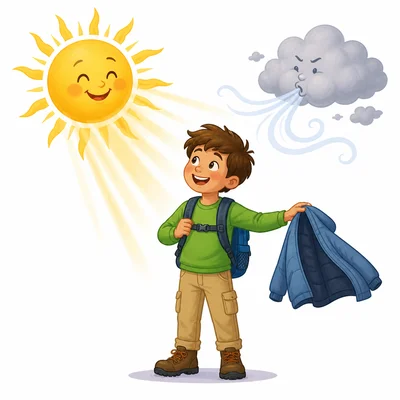
Read the folktale. The Wind and the Sun saw a traveler walking down the road. The Wind blew hard to make the traveler take off his coat, but the traveler held the coat tighter. Then the Sun shone warmly. Soon the traveler felt hot and took off his coat. Which character solved the problem?
- 40
Read the folktale. The Wind and the Sun saw a traveler walking down the road. The Wind blew hard to make the traveler take off his coat, but the traveler held the coat tighter. Then the Sun shone warmly. Soon the traveler felt hot and took off his coat. Why did the author most likely write this folktale?