Practice identifying and using informational text features to find, understand, and explain details in nonfiction texts.
Read each problem carefully. Use what you know about informational text features to answer in complete sentences when needed.
Using headings, captions, diagrams, and other nonfiction features
Language Arts - Grade 4-5
- 1
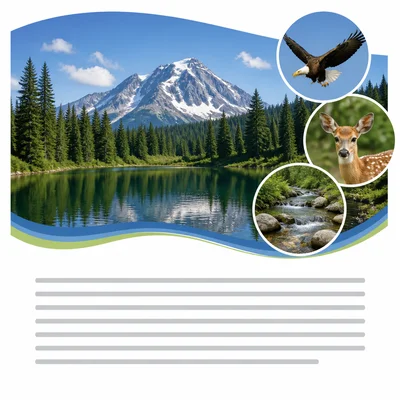
What is the purpose of a heading in an informational text?
- 2
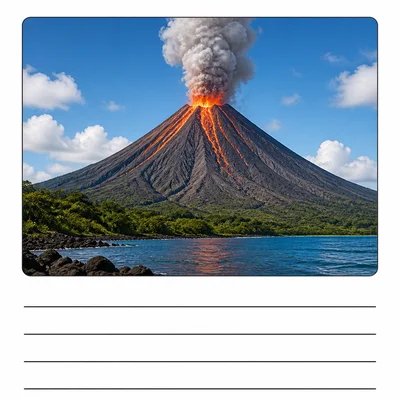
A page has a photograph of a volcano with words underneath it. What is this text feature called, and what does it do for the reader?
- 3
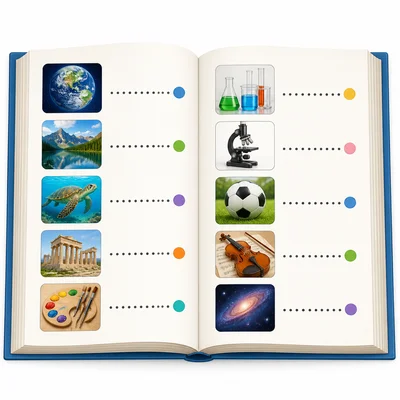
How does a table of contents help a reader use a nonfiction book?
- 4
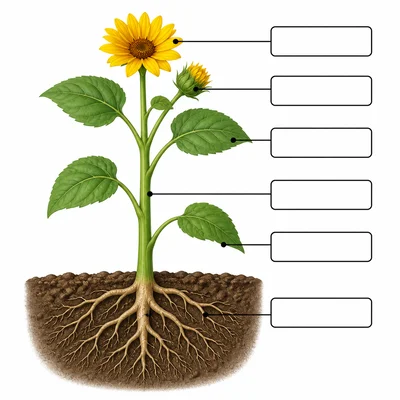
What can a reader learn from labels on a diagram?
- 5
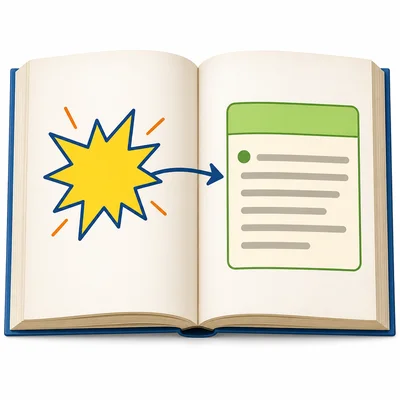
A student wants to find the meaning of a bold word in a nonfiction book. Which text feature would most likely help, and why?
- 6
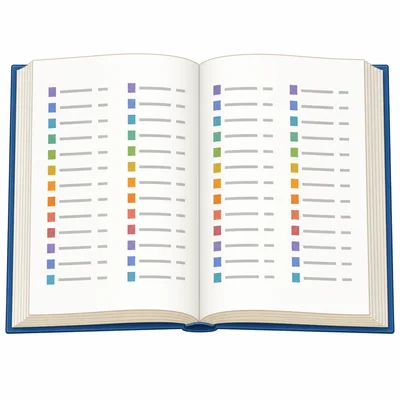
What is the purpose of an index at the back of a book?
- 7
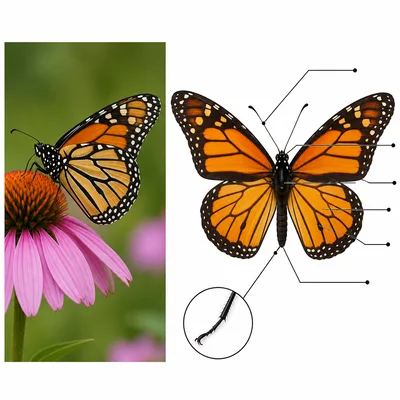
How is a diagram different from a photograph in an informational text?
- 8
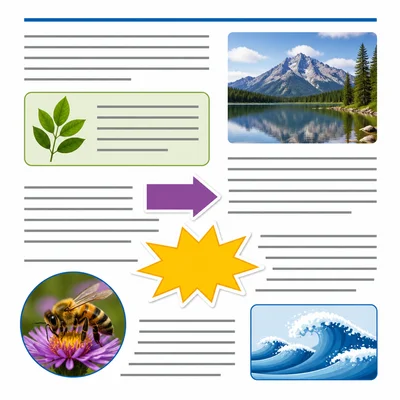
Why might an author put important words in bold print?
- 9
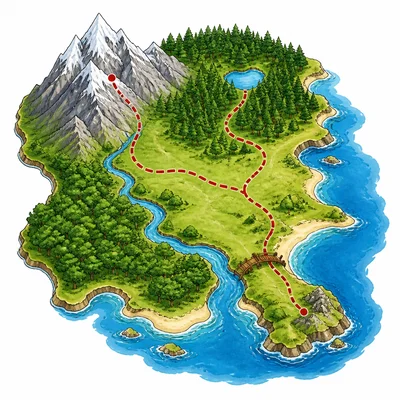
What does a map in an informational text help a reader understand?
- 10
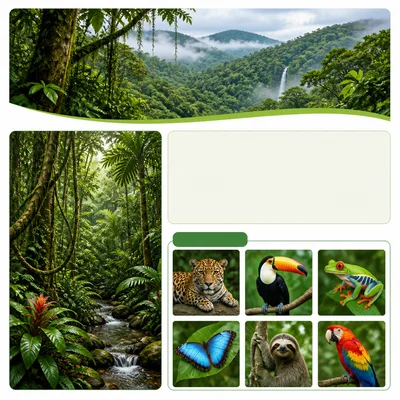
A nonfiction article has the title 'Life in the Rainforest' and a subheading called 'Animals of the Canopy.' What does the subheading tell the reader?
- 11
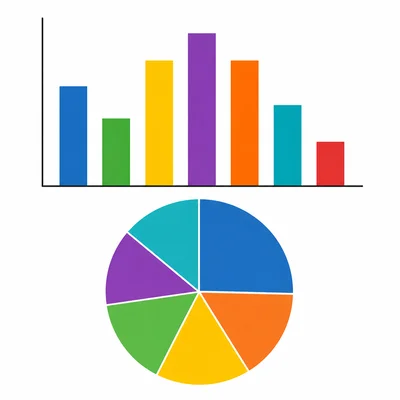
Explain how a chart or graph can help a reader better understand information.
- 12
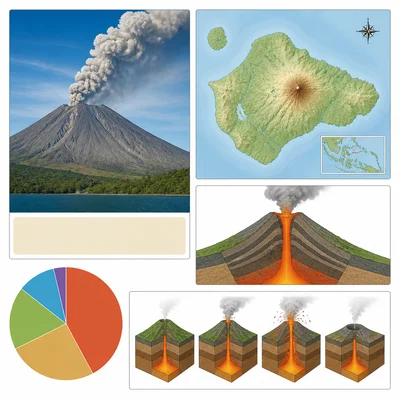
Why is it helpful for informational texts to include more than one text feature on a page?