Practice recognizing different types of poetry, understanding poem structure, and identifying common poetic elements such as rhyme, rhythm, imagery, and figurative language.
Read each poem example or question carefully. Answer in complete sentences when needed and use evidence from the text.
Identifying forms, patterns, and poetic devices
Language Arts - Grade 6-8
- 1

A poem has 3 lines in the first stanza and 4 lines in the second stanza. How many lines does the poem have in all?
- 2

Read this line: "The moon was a silver lamp in the sky." What figurative language is used, and what does it compare?
- 3
Read these words: light, night, tree, sight. Which two pairs of words rhyme?
- 4

A haiku usually has 3 lines with a syllable pattern of 5, 7, and 5. How many syllables are in a haiku altogether?
- 5
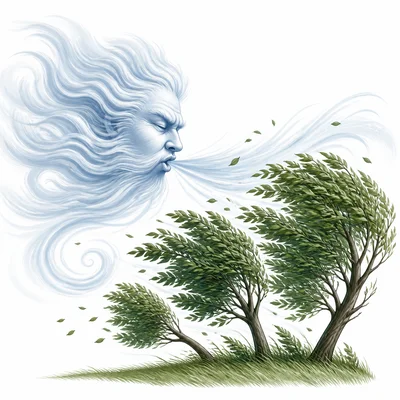
Read this line: "The wind whispered through the trees." What poetic device is used, and why?
- 6
What is a stanza in poetry?
- 7
Read this short poem: "Soft snow settles / On silent city streets / Morning glows pale". What type of poem is this most likely to be, and why?
- 8
If each stanza in a poem has 4 lines and the poem has 5 stanzas, how many lines are in the poem?
- 9
Read this line: "Buzzing bees bounced by the bluebells." What sound device is used most clearly in this line?
- 10
What is the difference between rhyme and rhythm in poetry?
- 11

Read this line: "Her smile was like sunshine after rain." What figurative language is used, and what does it suggest?
- 12
A student says, "Free verse poems do not have to follow a regular rhyme scheme or meter." Is the student correct? Explain your answer.