Practice identifying and using headings, captions, and diagrams to find information and understand nonfiction texts.
Read each problem carefully. Use the text features to answer the questions. Write complete answers when needed.
Using nonfiction text features to understand information
Language Arts - Grade 4-5
- 1
A science article has the heading Plant Parts and Their Jobs. What do you expect this section to be mostly about?
- 2
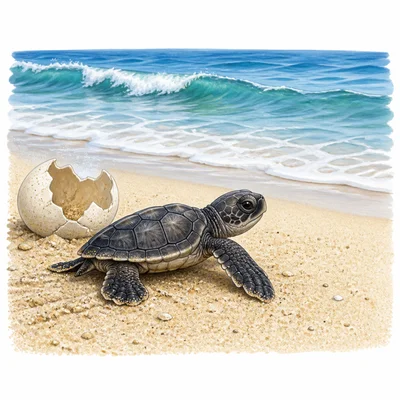
Read the caption: A young sea turtle crawls toward the ocean after hatching. What information does this caption add to a photo?
- 3
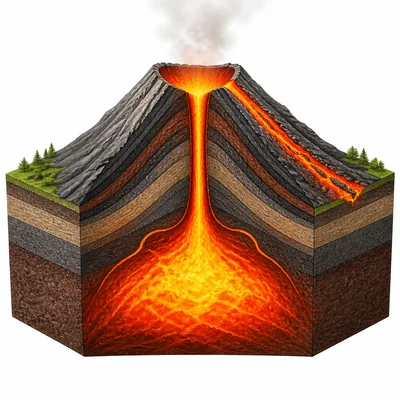
An article about volcanoes includes a diagram with labels for magma chamber, vent, crater, and lava flow. How does the diagram help the reader?
- 4
Choose the best heading for this paragraph: Bees move pollen from one flower to another. This helps plants make seeds. Many fruits and vegetables depend on bees. Heading choices: A. How Bees Help Plants, B. Bee Colors, C. Where Bees Sleep.
- 5
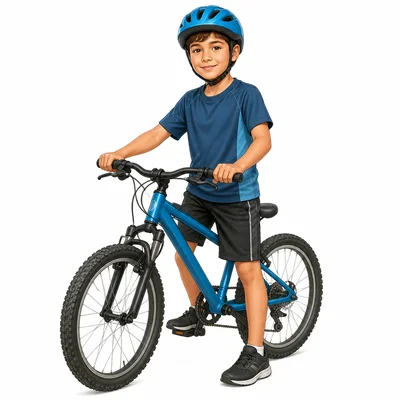
A book page shows a picture of a child wearing a bicycle helmet. The caption says: A helmet protects the brain during a fall. What is the purpose of the caption?
- 6
An article has the headings What Is Weathering?, Types of Weathering, and How Weathering Changes Landforms. What subject is the whole article most likely about?
- 7
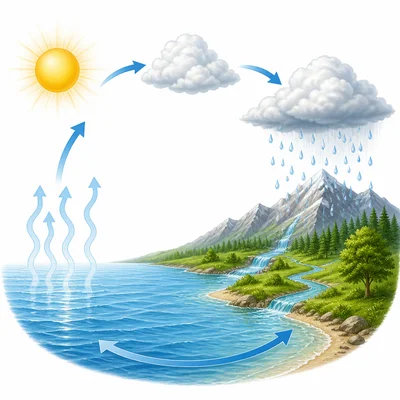
Look at this diagram title: The Water Cycle. It includes arrows labeled evaporation, condensation, precipitation, and collection. What does the diagram show?
- 8
A nonfiction article section has the heading Staying Safe During a Storm. Write one question this section might answer.
- 9
Read the paragraph: Penguins have thick feathers and a layer of fat that help them stay warm. They huddle together during freezing weather. Which heading fits best: A. Penguin Food, B. How Penguins Stay Warm, C. Penguin Babies?
- 10
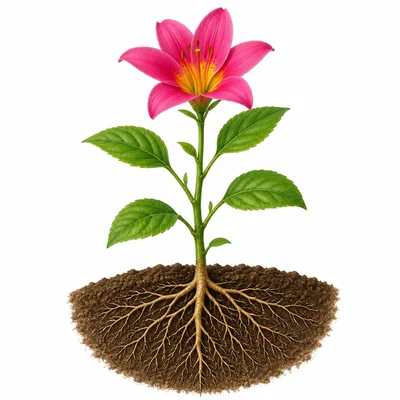
A diagram of a flower labels the petals, stem, leaves, and roots. Which label would help you find the part that takes in water from the soil?
- 11
Explain the difference between a heading and a caption.
- 12
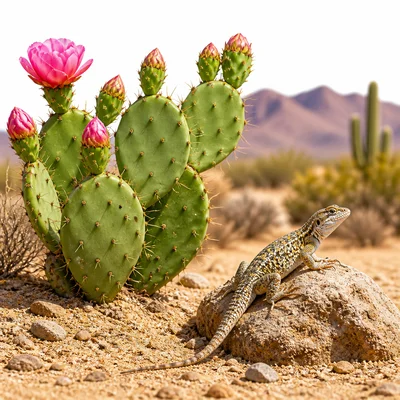
A page about animal habitats includes a photo of a cactus and a lizard. Write a clear caption for the photo.
- 13
You are looking for information about what frogs eat. Which heading should you read first: Frog Life Cycle, Frog Diet, or Frog Habitats?
- 14
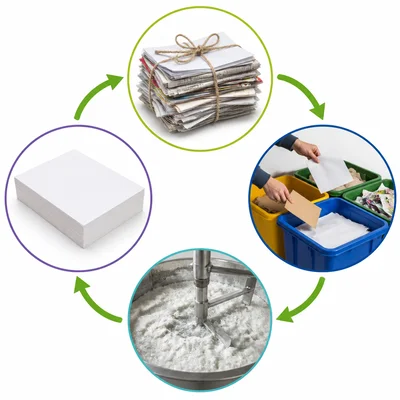
A diagram has arrows showing the steps for recycling paper: collect paper, sort paper, wash pulp, make new paper. Why are the arrows important?
- 15
Read this section title: Amazing Adaptations. The section explains how camels store fat in their humps, have long eyelashes, and can go many days without water. How does the heading help the reader?