Practice recognizing common musical instruments, their families, how they make sound, and how they are used in bands, orchestras, and other ensembles.
Read each problem carefully. Write complete answers and include musical vocabulary when you can.
Identifying instrument families, sounds, and roles in ensembles
Music - Grade 6-8
- 1
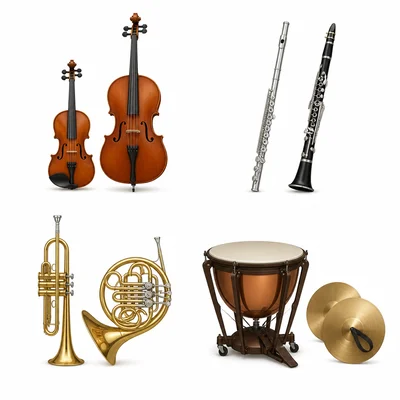
Name the four main instrument families in a typical orchestra. Give one example of an instrument from each family.
- 2
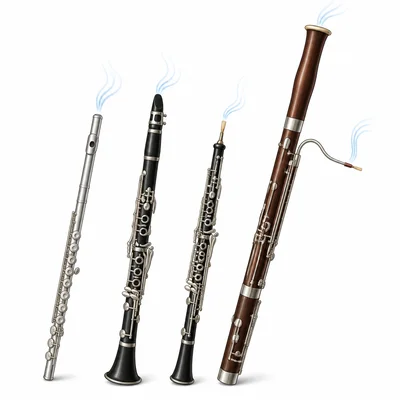
A clarinet, flute, oboe, and bassoon are usually grouped into the same instrument family. What family is this, and what do these instruments have in common?
- 3
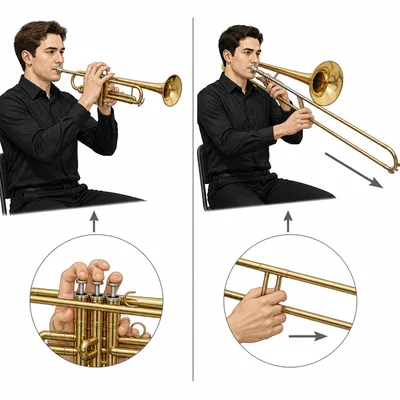
Explain the difference between a trumpet and a trombone in how the player changes pitch.
- 4
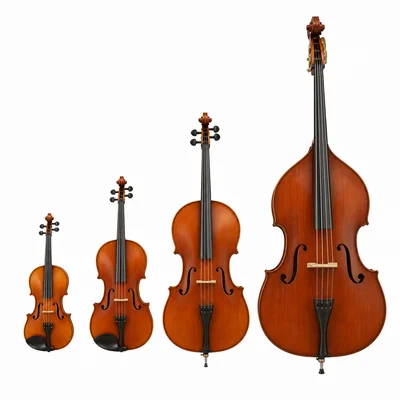
A violin, viola, cello, and double bass are all string instruments. Put these instruments in order from highest usual pitch to lowest usual pitch.
- 5
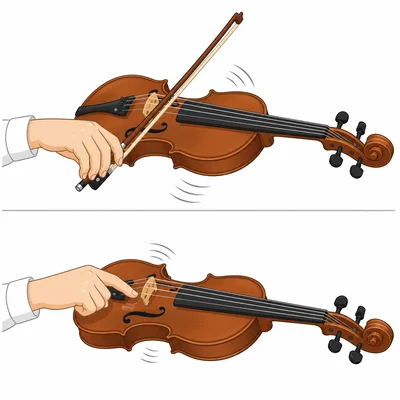
Describe two ways a string player can make sound on a violin.
- 6
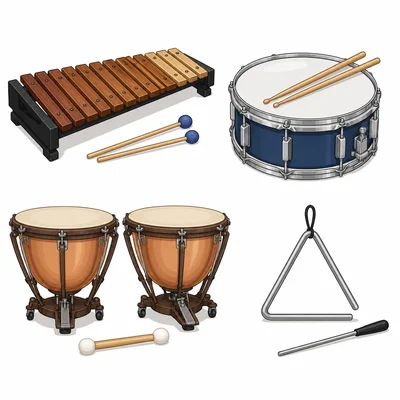
Identify whether each instrument is pitched or unpitched percussion: xylophone, snare drum, timpani, triangle.
- 7
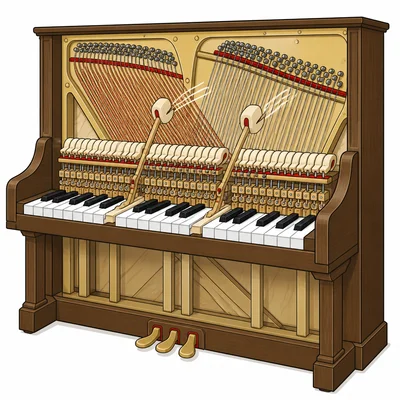
Why is the piano sometimes classified as a percussion instrument even though it has strings?
- 8
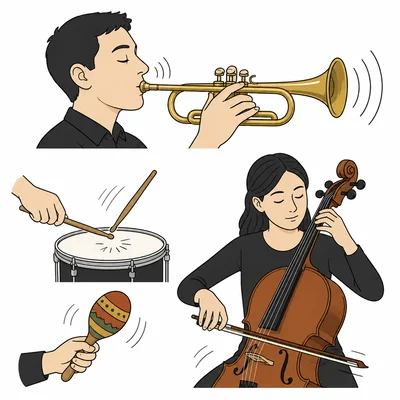
Choose the best instrument family for each description: A player buzzes their lips into a mouthpiece. A player strikes, shakes, or scrapes the instrument. A player uses a bow or plucks strings.
- 9
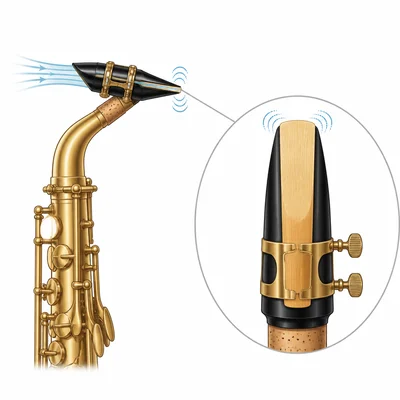
A saxophone is made of brass, but it is usually considered a woodwind instrument. Explain why.
- 10
In a concert band, which family usually has more instruments: strings or brass and woodwinds? Explain your answer.
- 11
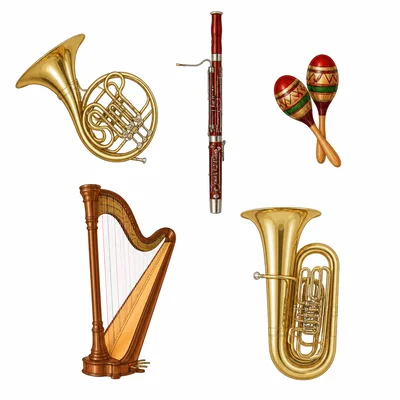
Match each instrument to its family: French horn, bassoon, maracas, harp, tuba.
- 12
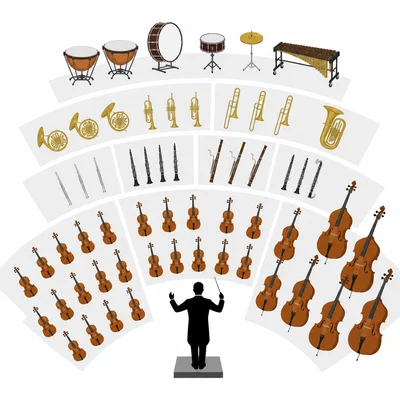
Look at the seating of a typical orchestra. Where are the string instruments usually placed in relation to the conductor, and why might this placement be useful?
- 13
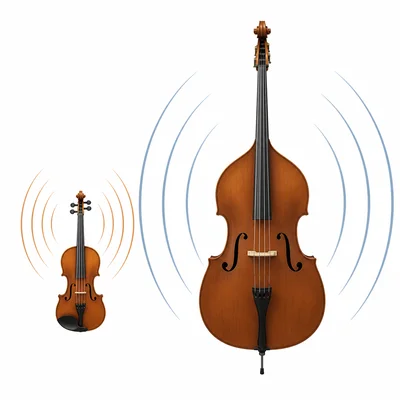
Explain how instrument size usually affects pitch within the same family. Use one example.
- 14
A composer wants a bright, high melody that can be heard clearly above the ensemble. Name two instruments that could play it and explain why they fit.
- 15
Create a mini ensemble with one instrument from each of these families: strings, woodwinds, brass, and percussion. List the four instruments and describe the role each could play.