Practice using work, kinetic energy, gravitational potential energy, spring energy, and the work-energy theorem to solve physics problems.
Read each problem carefully. Show your work, include units, and explain your reasoning when asked. Use g = 9.8 m/s^2 unless another value is given.
Calculating work, kinetic energy, potential energy, and net work
Physics - Grade 9-12
- 1
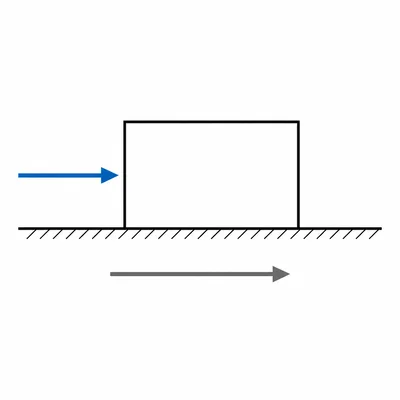
A student pushes a box with a constant horizontal force of 50 N. The box moves 6.0 m in the direction of the force. Calculate the work done by the student on the box.
- 2
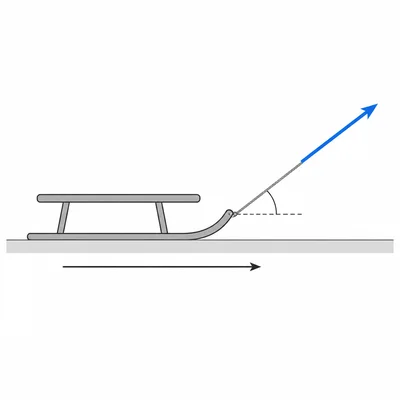
A rope pulls a sled with a force of 80 N at an angle of 30 degrees above the horizontal. The sled moves 5.0 m horizontally. Calculate the work done by the rope.
- 3
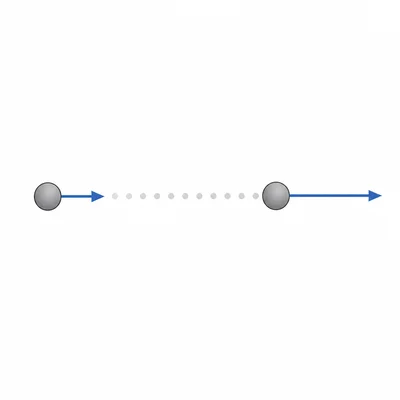
A 2.0 kg object speeds up from 3.0 m/s to 7.0 m/s. Use the work-energy theorem to find the net work done on the object.
- 4
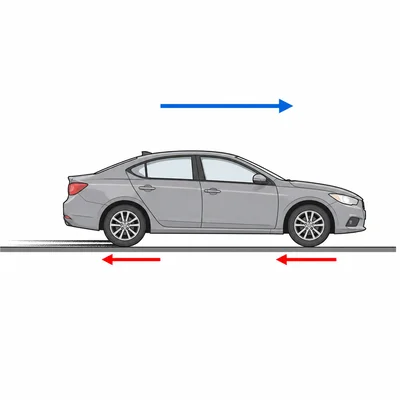
A 1200 kg car slows from 20 m/s to rest during braking. Find the net work done on the car.
- 5
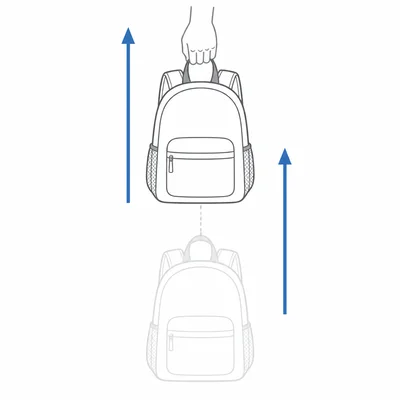
A 15 kg backpack is lifted straight up 2.0 m at constant speed. Calculate the work done by the lifting force.
- 6
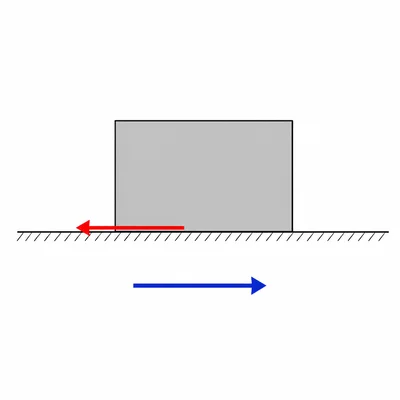
A 5.0 kg box slides 4.0 m across a rough horizontal floor. The coefficient of kinetic friction is 0.20. Calculate the work done by friction.
- 7
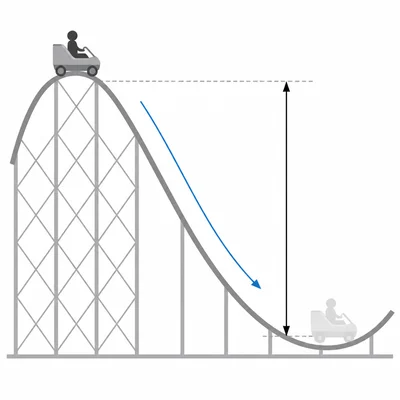
A 60 kg rider starts from rest at the top of a frictionless roller coaster hill and drops 12 m vertically. Find the rider's speed at the bottom.
- 8
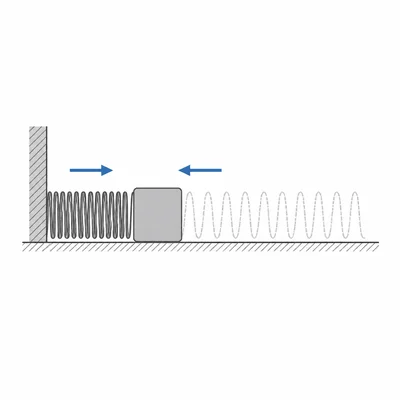
A spring with spring constant 200 N/m is compressed by 0.25 m. Calculate the elastic potential energy stored in the spring.
- 9
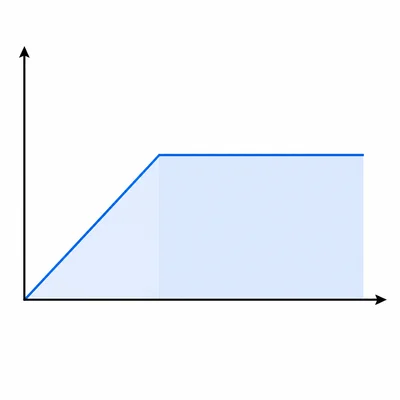
A force-displacement graph shows force increasing linearly from 0 N at 0 m to 40 N at 4 m, then staying at 40 N from 4 m to 8 m. Calculate the total work done.
- 10
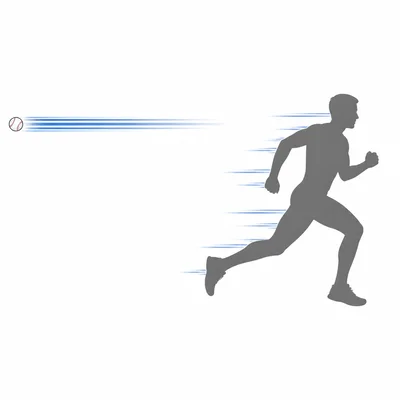
A 0.15 kg baseball moves at 40 m/s, and a 60 kg runner moves at 2.0 m/s. Compare their kinetic energies.
- 11
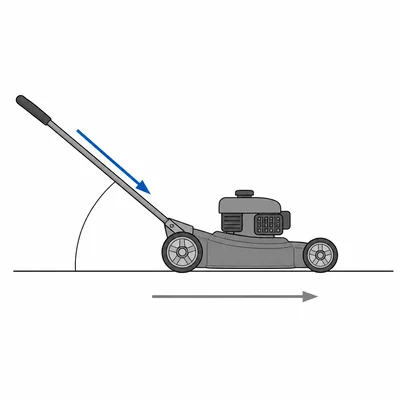
A person pushes a lawn mower with a force of 120 N at an angle of 40 degrees below the horizontal. The mower moves 10 m horizontally. Calculate the work done by the applied force.
- 12
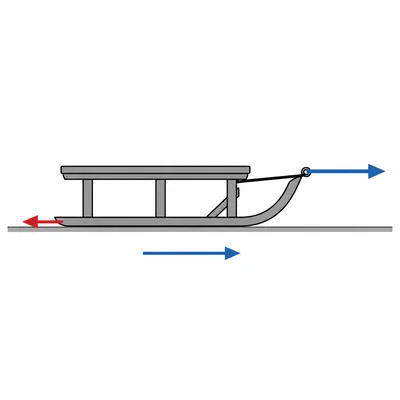
A 20 kg sled starts from rest. It is pulled horizontally with a 100 N force for 15 m while friction exerts a 25 N force opposite the motion. Find the sled's final speed.
- 13
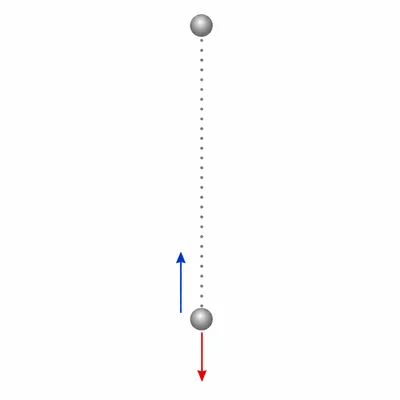
A 0.50 kg ball is thrown straight upward at 18 m/s. Ignore air resistance. Find the work done by gravity from the release point to the highest point.
- 14
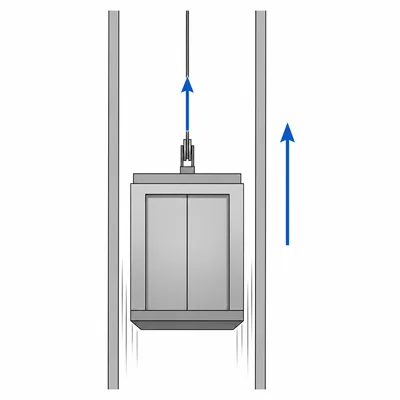
A 500 kg elevator moves upward 3.0 m while speeding up from rest to 2.0 m/s. Calculate the work done by the cable on the elevator.
- 15
Explain how the sign of work affects an object's kinetic energy. Include one example of positive work and one example of negative work.