Analyze major concepts, research findings, and applications related to human memory.
Read each problem carefully. Use complete sentences and psychological terminology where appropriate. Show evidence or reasoning in the space provided.
Encoding, storage, retrieval, and forgetting
Psychology - Grade advanced
- 1
Define encoding, storage, and retrieval. Then give one original example of each process in a student's learning experience.
- 2
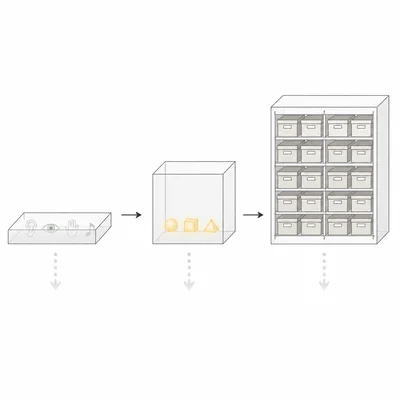
Explain the difference between sensory memory, short-term memory, and long-term memory. Include approximate duration and capacity for each system.
- 3
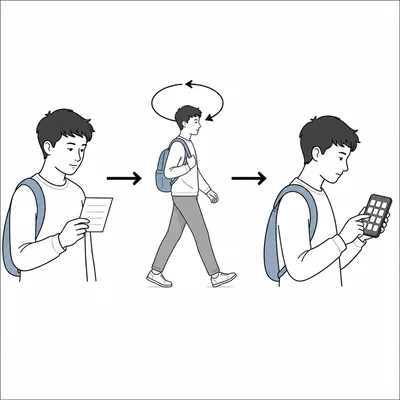
A person looks up a phone number, repeats it silently while walking across the room, and then dials it. Identify the memory process being used and explain how it works.
- 4
Compare maintenance rehearsal and elaborative rehearsal. Which is generally more effective for long-term retention, and why?
- 5
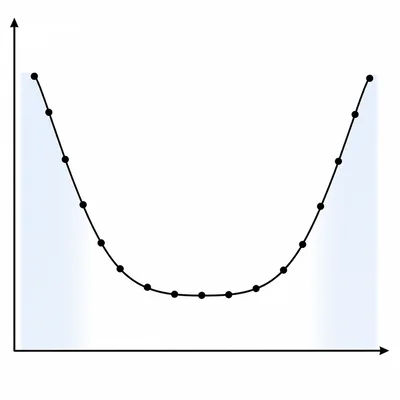
A student studies a list of 20 vocabulary words. During the test, the student remembers the first few words and the last few words best. Identify this pattern and explain its two main components.
- 6
Explain the difference between explicit memory and implicit memory. Give one example of each.
- 7
Classify each memory type as episodic, semantic, or procedural: remembering your first day of school, knowing that Paris is the capital of France, and typing on a keyboard without looking at the keys.
- 8
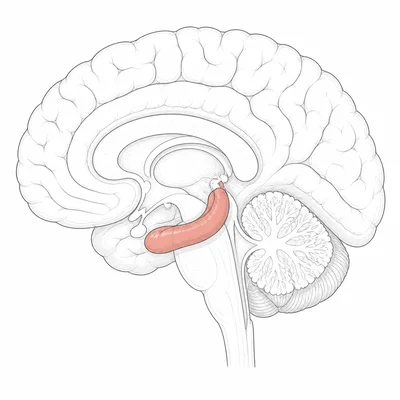
Describe the role of the hippocampus in memory. Explain what kind of memory difficulty is likely if the hippocampus is severely damaged.
- 9
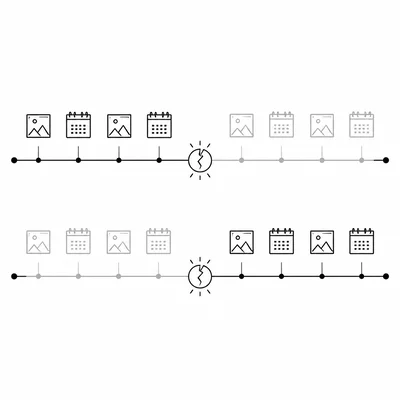
Distinguish between anterograde amnesia and retrograde amnesia. Provide a brief example of each.
- 10
A witness to a minor car crash later hears another person say, 'The blue car ran the light.' The witness then reports seeing a blue car, even though the car was green. Explain this error using a memory concept.
- 11
Explain why eyewitness testimony can be unreliable even when the witness is confident.
- 12
A researcher gives participants a list of words related to sleep, such as bed, rest, dream, pillow, and tired. Later, many participants falsely recall the word sleep, which was not on the list. Identify the paradigm or effect and explain what it demonstrates.
- 13
Compare retrieval failure and memory decay as explanations for forgetting.
- 14
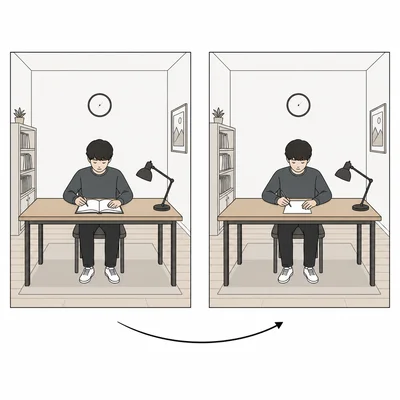
A student studies psychology in the same quiet room where the exam will be taken and performs better than expected. Explain this result using context-dependent memory.
- 15
Design a brief study strategy for long-term retention of a difficult chapter. Your strategy must include spacing, retrieval practice, and elaboration, and it must explain why each method helps memory.