Sign in to save

Bookmark this page so you can find it later.

Sign in to save

Bookmark this page so you can find it later.

Chemistry Grade 9-12

Science: Balancing Chemical Equations

Using coefficients to conserve atoms in reactions

View Answer Key

Practice balancing chemical equations by adjusting coefficients so the number of each type of atom is the same on both sides of the equation.

Balance each chemical equation by adding whole-number coefficients. Do not change subscripts. Check that the number of each kind of atom is equal on both sides.

Name:
Date:
Score: / 15

Using coefficients to conserve atoms in reactions

Chemistry - Grade 9-12

Instructions: Balance each chemical equation by adding whole-number coefficients. Do not change subscripts. Check that the number of each kind of atom is equal on both sides.
  1. 1
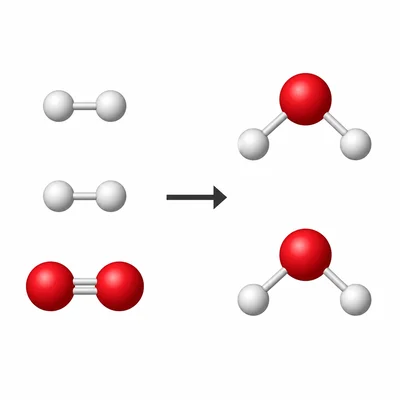
    Particle model showing hydrogen and oxygen molecules forming water.

    Balance the equation: H2 + O2 -> H2O

  2. 2
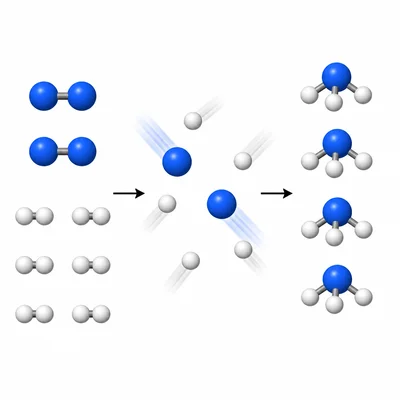
    Particle model showing nitrogen and hydrogen molecules forming ammonia.

    Balance the equation: N2 + H2 -> NH3

  3. 3
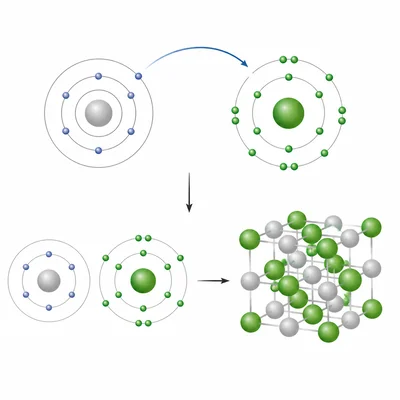
    Particle model showing sodium and chlorine forming sodium chloride.

    Balance the equation: Na + Cl2 -> NaCl

  4. 4
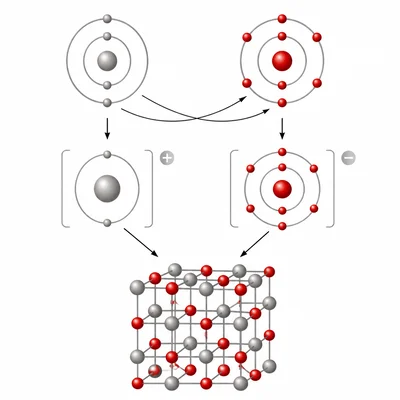
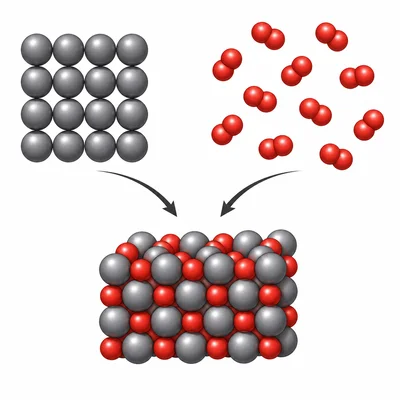
    Particle model showing magnesium and oxygen forming magnesium oxide.

    Balance the equation: Mg + O2 -> MgO

  5. 5
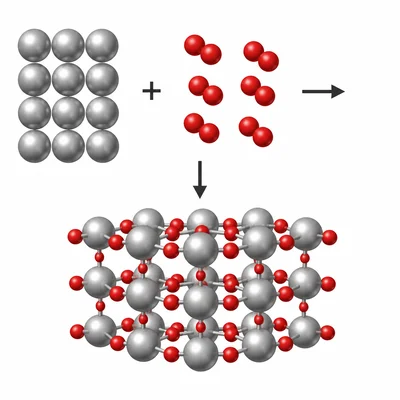
    Particle model showing aluminum and oxygen forming aluminum oxide.

    Balance the equation: Al + O2 -> Al2O3

  6. 6
    Particle model showing iron and oxygen forming iron oxide.

    Balance the equation: Fe + O2 -> Fe2O3

  7. 7
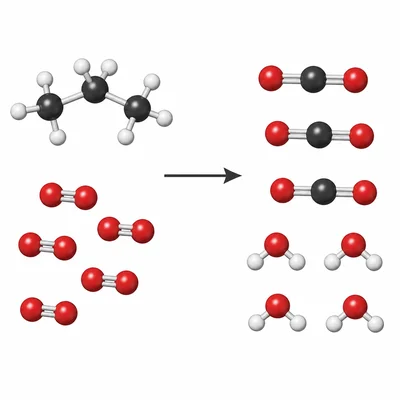
    Molecular model showing propane and oxygen producing carbon dioxide and water.

    Balance the equation: C3H8 + O2 -> CO2 + H2O

  8. 8
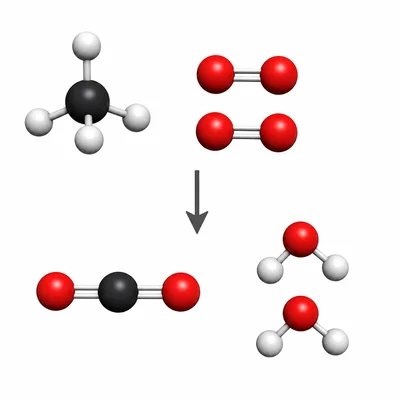
    Molecular model showing methane and oxygen producing carbon dioxide and water.

    Balance the equation: CH4 + O2 -> CO2 + H2O

  9. 9
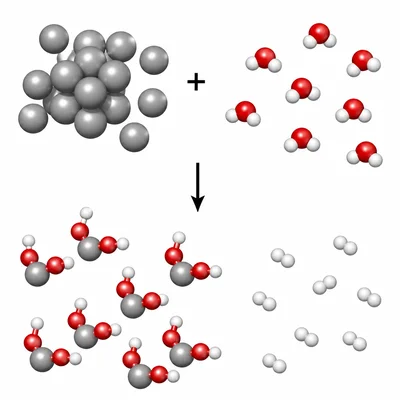
    Particle model showing calcium and water forming calcium hydroxide and hydrogen gas.

    Balance the equation: Ca + H2O -> Ca(OH)2 + H2

  10. 10
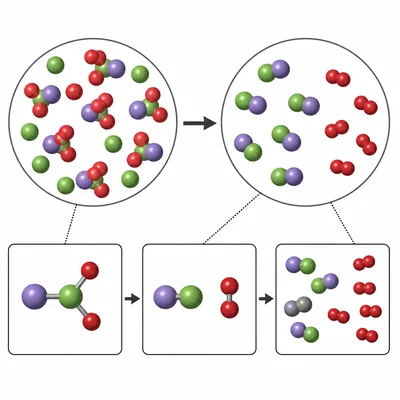
    Particle model showing potassium chlorate decomposing into potassium chloride and oxygen.

    Balance the equation: KClO3 -> KCl + O2

  11. 11
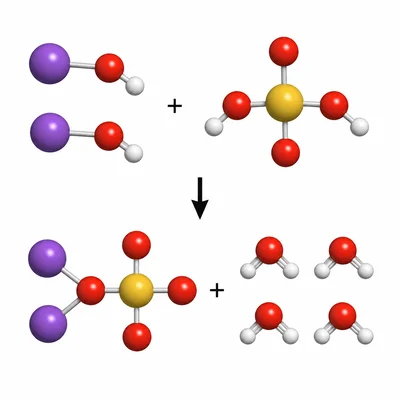
    Particle model showing sodium hydroxide and sulfuric acid forming sodium sulfate and water.

    Balance the equation: NaOH + H2SO4 -> Na2SO4 + H2O

  12. 12
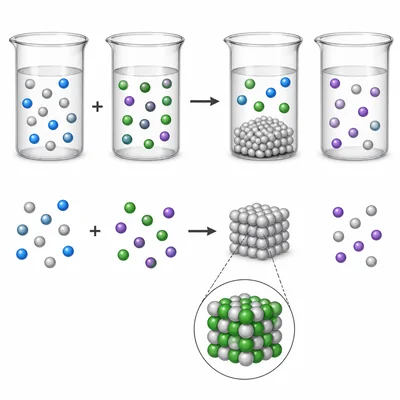
    Particle model showing silver nitrate and sodium chloride forming silver chloride and sodium nitrate.

    Balance the equation: AgNO3 + NaCl -> AgCl + NaNO3

  13. 13
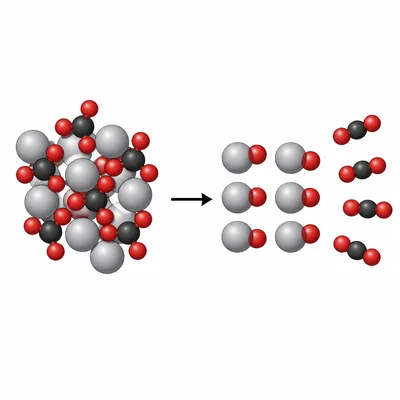
    Particle model showing calcium carbonate decomposing into calcium oxide and carbon dioxide.

    Balance the equation: CaCO3 -> CaO + CO2

  14. 14
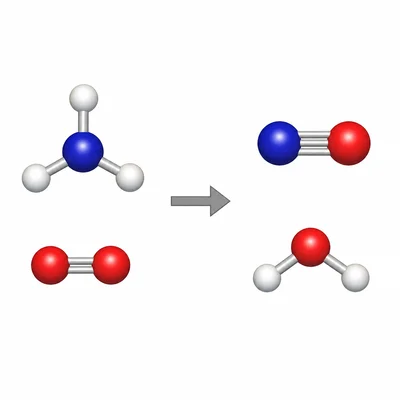
    Molecular model showing ammonia and oxygen producing nitric oxide and water.

    Balance the equation: NH3 + O2 -> NO + H2O

  15. 15
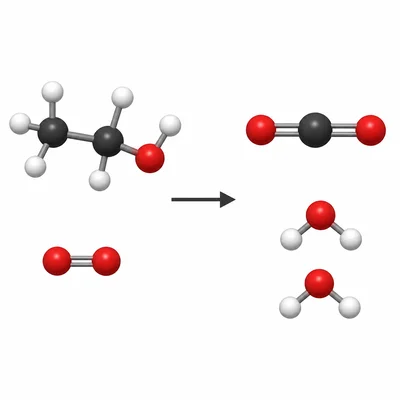
    Molecular model showing ethanol and oxygen producing carbon dioxide and water.

    Balance the equation: C2H5OH + O2 -> CO2 + H2O

LivePhysics™.com Chemistry - Grade 9-12

Related Mission Packs

More Chemistry Worksheets

See all Chemistry worksheets

More Grade 9-12 Worksheets

See all Grade 9-12 worksheets